Other elders
Verify the species; common names and dark berries do not make elders interchangeable.
Use the botanical sourceSambucus nigra
Also found as European elder · Elderflower · Elderberry
A woody elder whose flowers and properly prepared ripe berries have culinary uses.
Sources checked 9 September 2026 · Specialist field review pending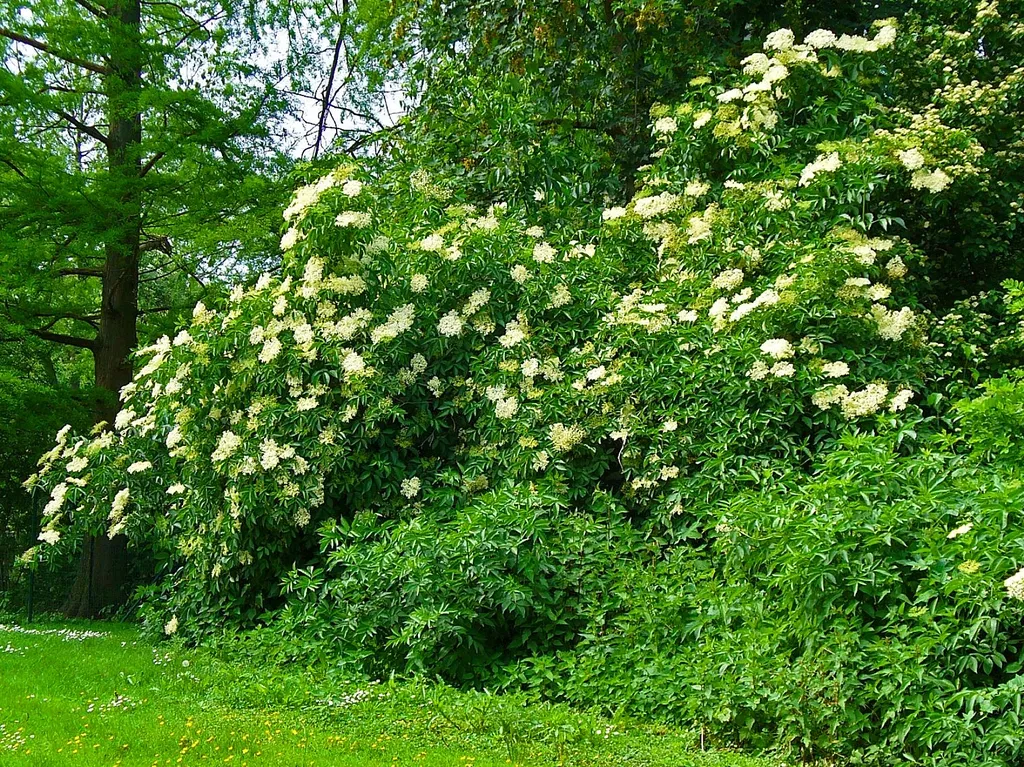
Raw or unripe berries and leaves or stems contain cyanide-producing substances. Do not use them.
Where it grows
| January | 1780 |
|---|---|
| February | 2779 |
| March | 6265 |
| April | 19129 |
| May | 23909 |
| June | 25913 |
| July | 16266 |
| August | 14549 |
| September | 7829 |
| October | 3717 |
| November | 2018 |
| December | 1446 |
Research-grade iNaturalist records, snapshot Aug 27, 2026. The growing zone combines areas where different people have repeatedly verified it. Records show where people looked and found it, not current abundance or permission to gather.
01 / Learn to see
Opposite compound leaves with toothed leaflets.
Broad cream flower clusters on woody branches.
Ripe fruit is blue-black; fruit color alone cannot identify an elder.
These are study prompts, not a complete identification key. Confirm the full plant with a regional flora and an experienced local identifier.
02 / Resolve the differences
Verify the species; common names and dark berries do not make elders interchangeable.
Use the botanical sourceCheck for a woody shrub and opposite compound leaves, not just white flowers.
Selected comparisons only. Other lookalikes may occur locally.
03 / Meet the place
Native to Europe in the cited profile. Other regions have different Sambucus species.
Flowers when fully open; berries only after full ripening later in the growing season.
Stage guidance is not a local forecast. Check your climate, elevation and a regional source; no month-shift formula is used here.
04 / Gather with care
Parts discussed: Flower · Ripe berry
Flowers are used in cordials. Separate and cook ripe berries using a tested recipe.
Leave abundant flowers and fruit for birds and regeneration.
Preparation & storage essentials05 / A named folk-herbal lens
European elder lore
Threshold, kinship, continuity, and respect for the dwelling tree.
Approach elder as a host rather than raw material. Ask before taking and let restraint be part of the offering.
Decide whether this visit is for flowers or later berries; taking every flower also takes the autumn fruit.
This optional spiritual lens does not establish identity, edibility, dosage, lawful access, or medical safety. Follow a teaching more deeply through its named people and lineage rather than treating it as universal.
Open Ways of Gathering06 / Follow the evidence
Checked 9 September 2026. Original editorial synthesis; source institutions have not reviewed or endorsed this guide. Independent botanical field review is pending. Photos illustrate specimens; they do not certify the identity of a plant you find.
Suggest a correction