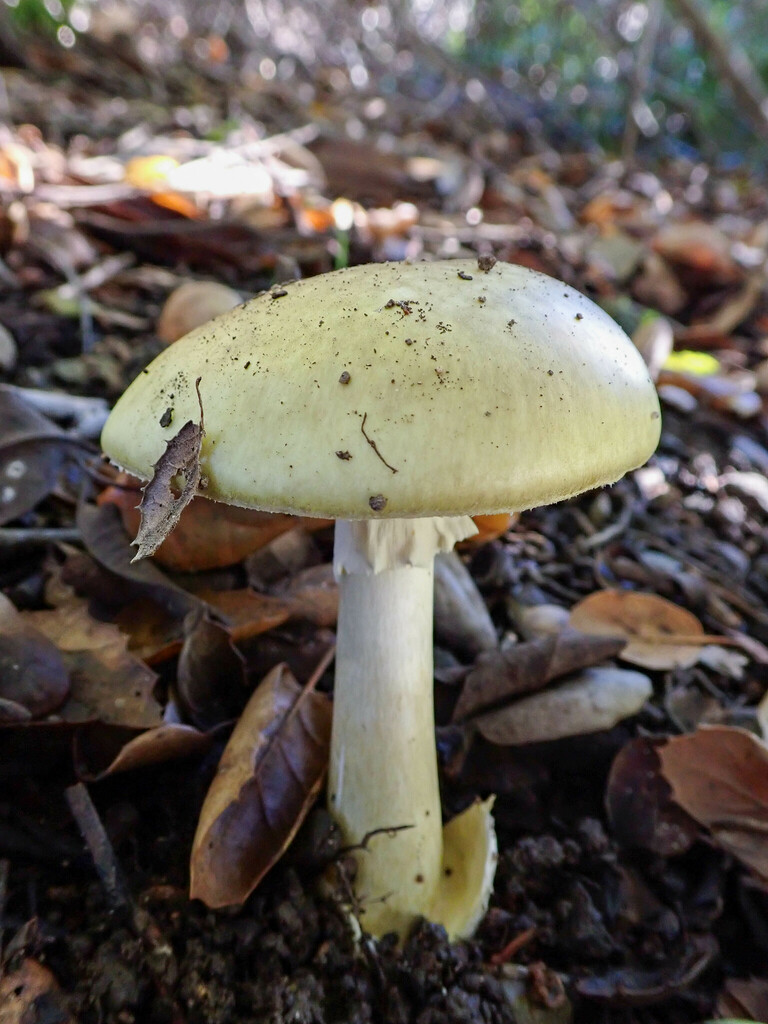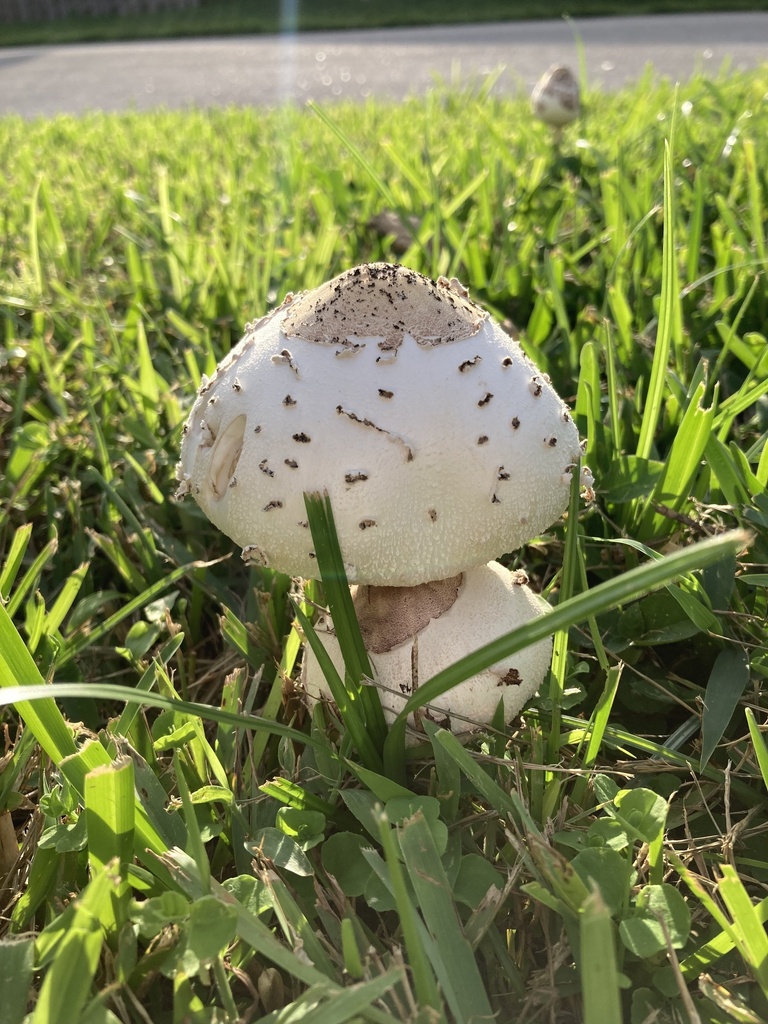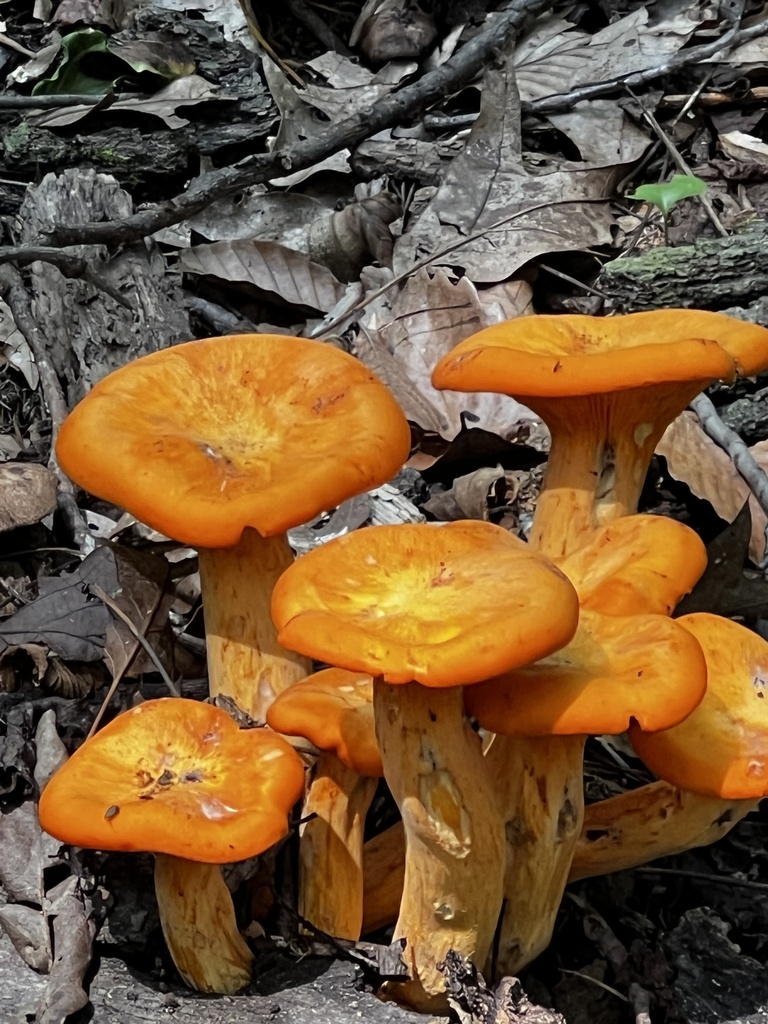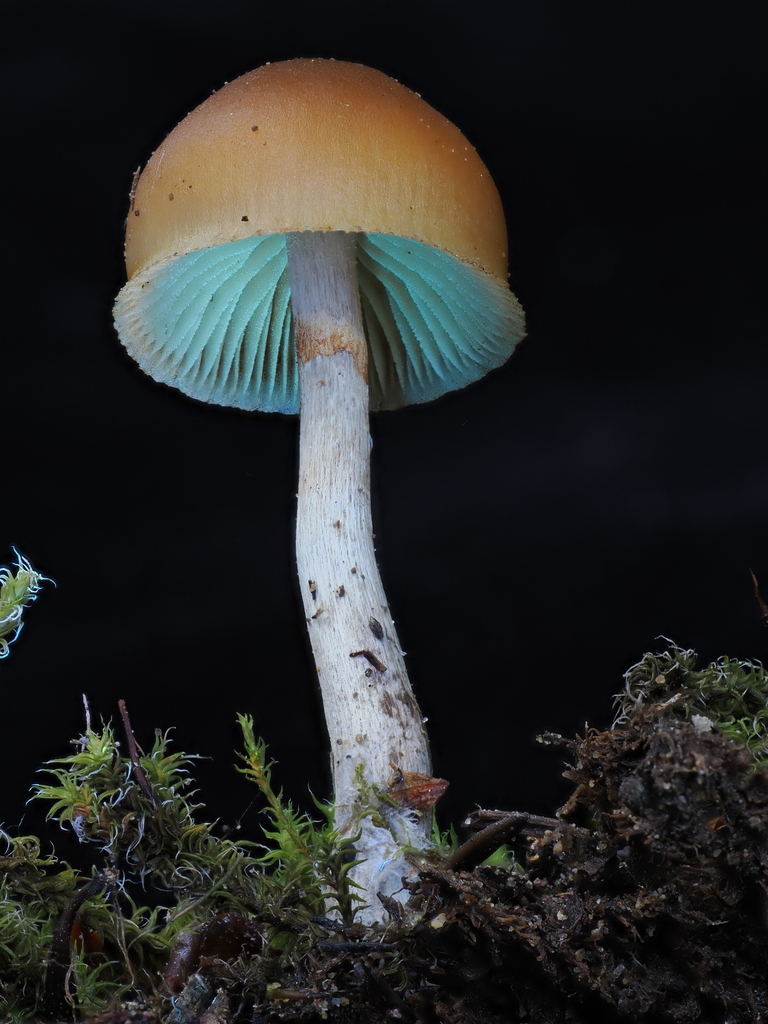
Choice edible
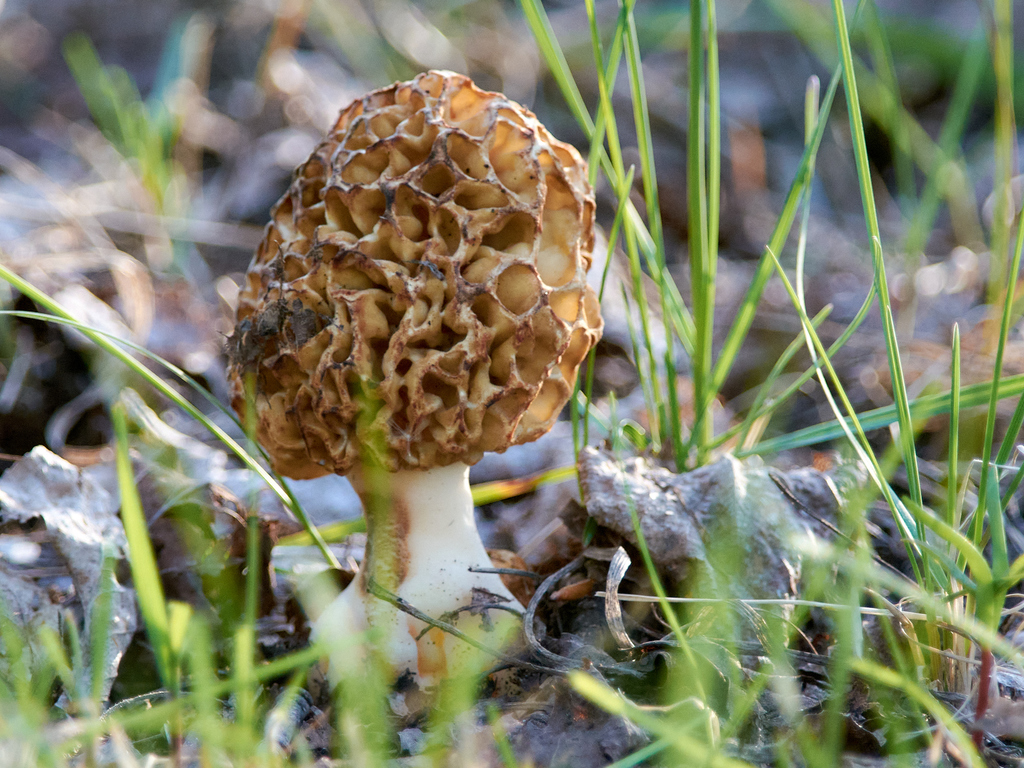
Morel
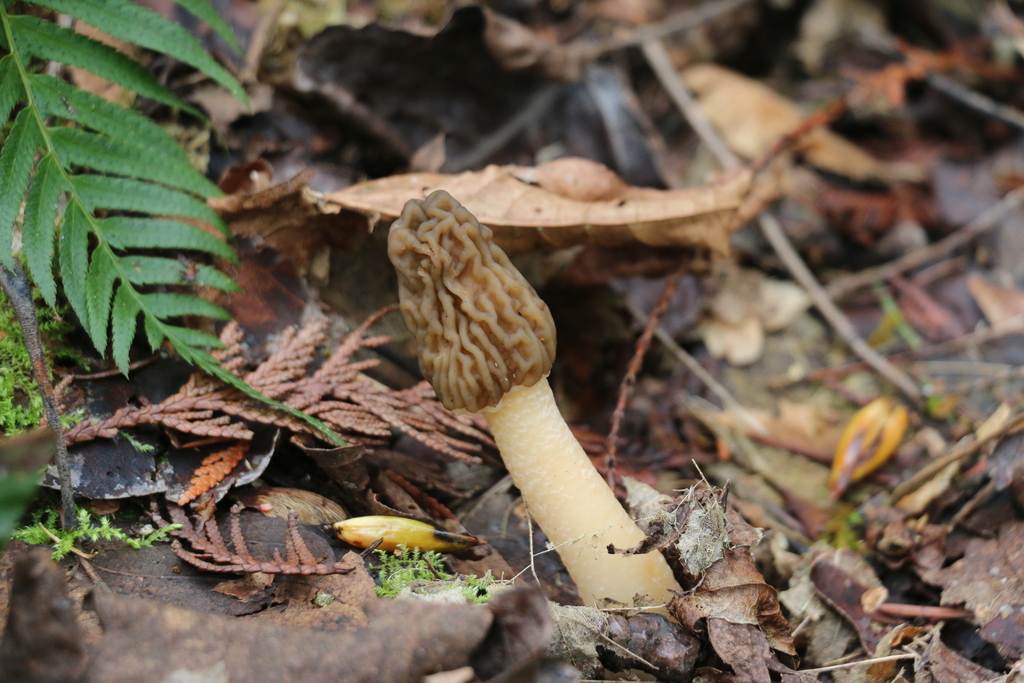
Morchella esculenta
A spring mushroom recognized by a pitted cap and a single hollow interior, with dangerous false-morel confusion to rule out.
Study field marks
The living fungi library · 108 species
Field marks, dangerous lookalike checks, cited safety notes, and recent reviewed observations for the map's current species.
Current catalogue
These pages teach what to examine. They cannot confirm edibility.
Morchella esculenta
A spring mushroom recognized by a pitted cap and a single hollow interior, with dangerous false-morel confusion to rule out.
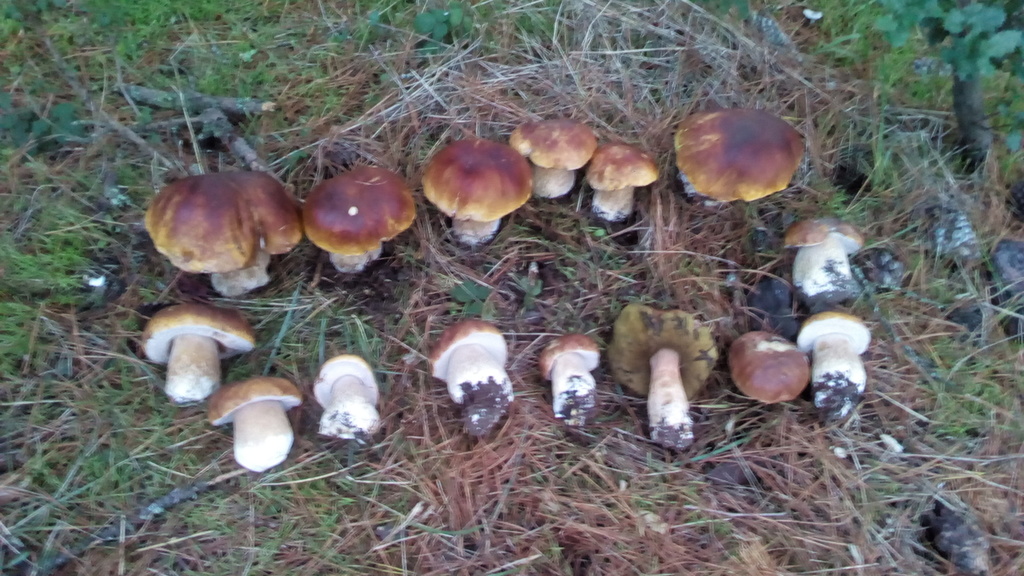
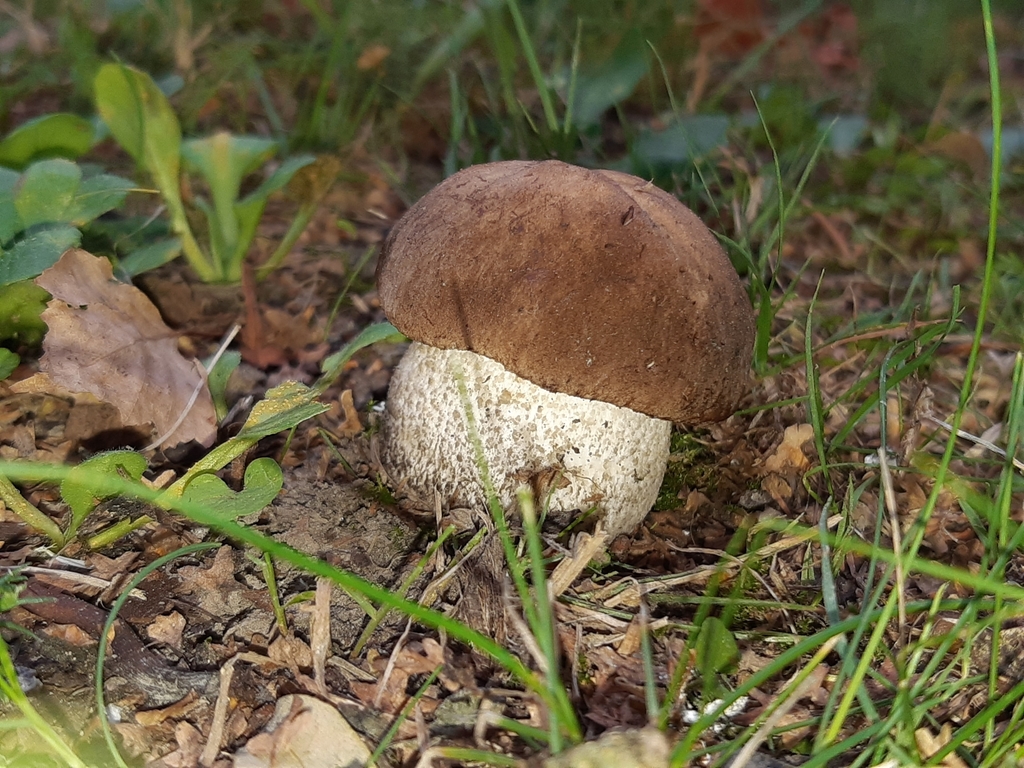
Study field marksBoletus edulis
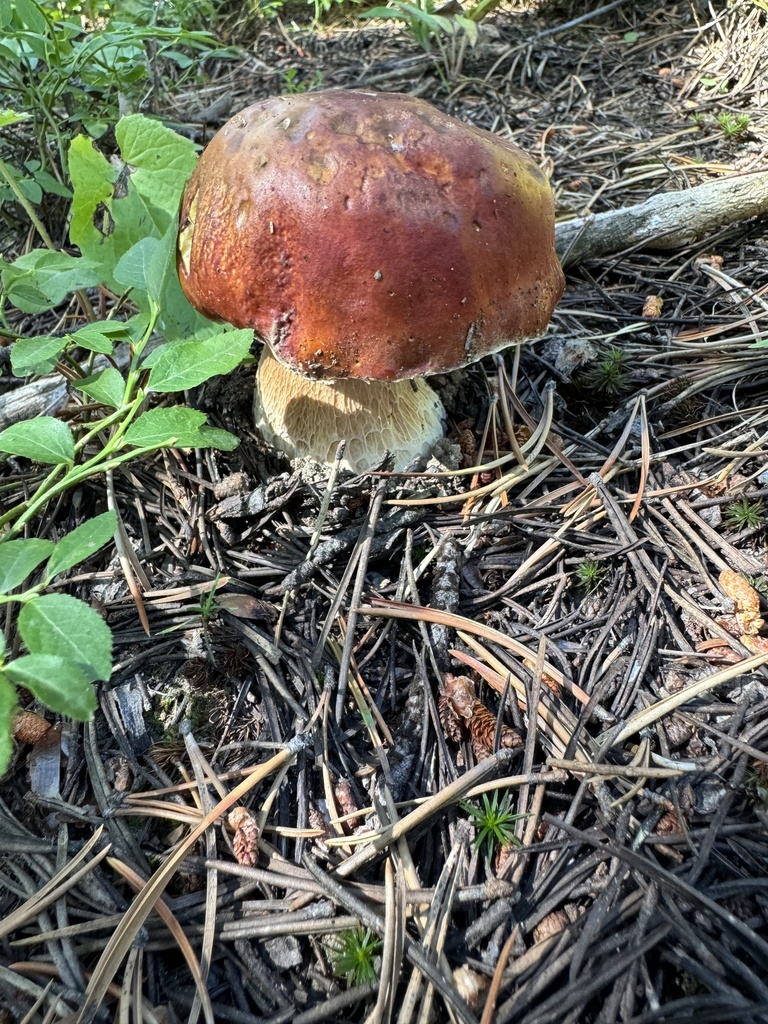
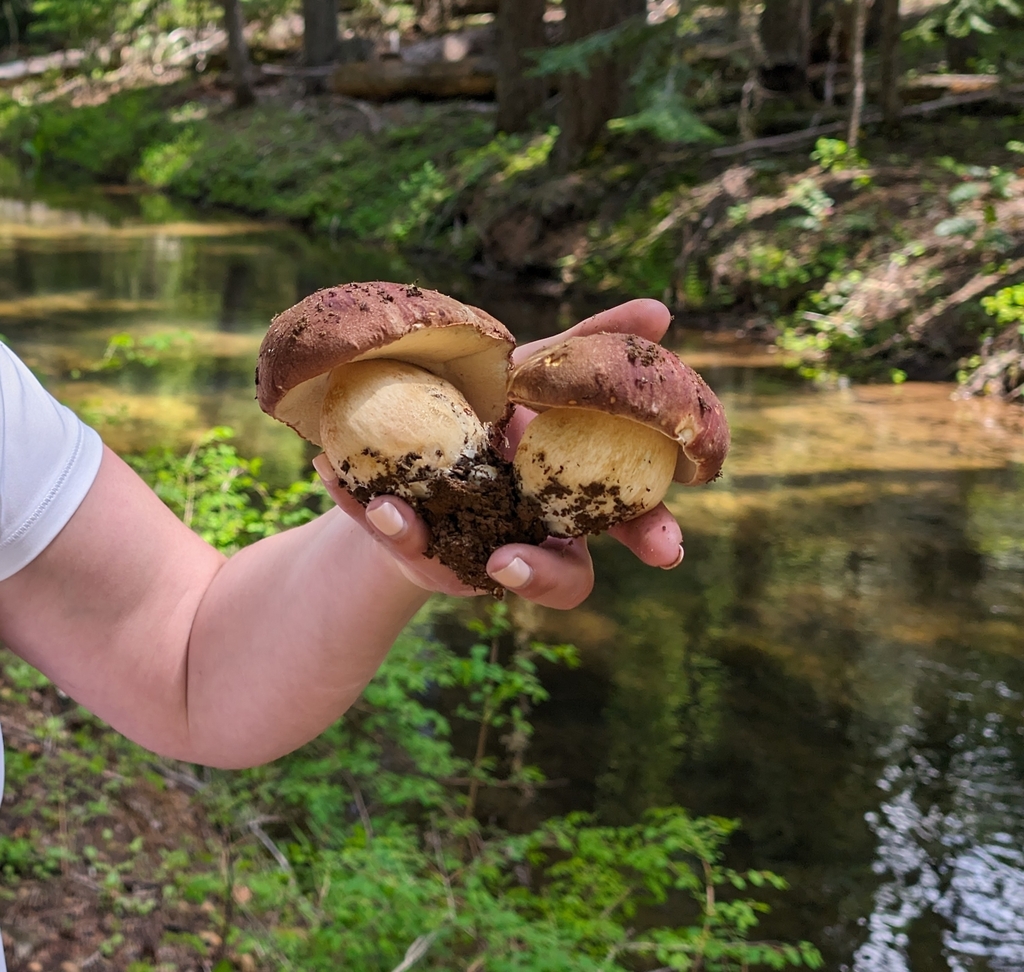
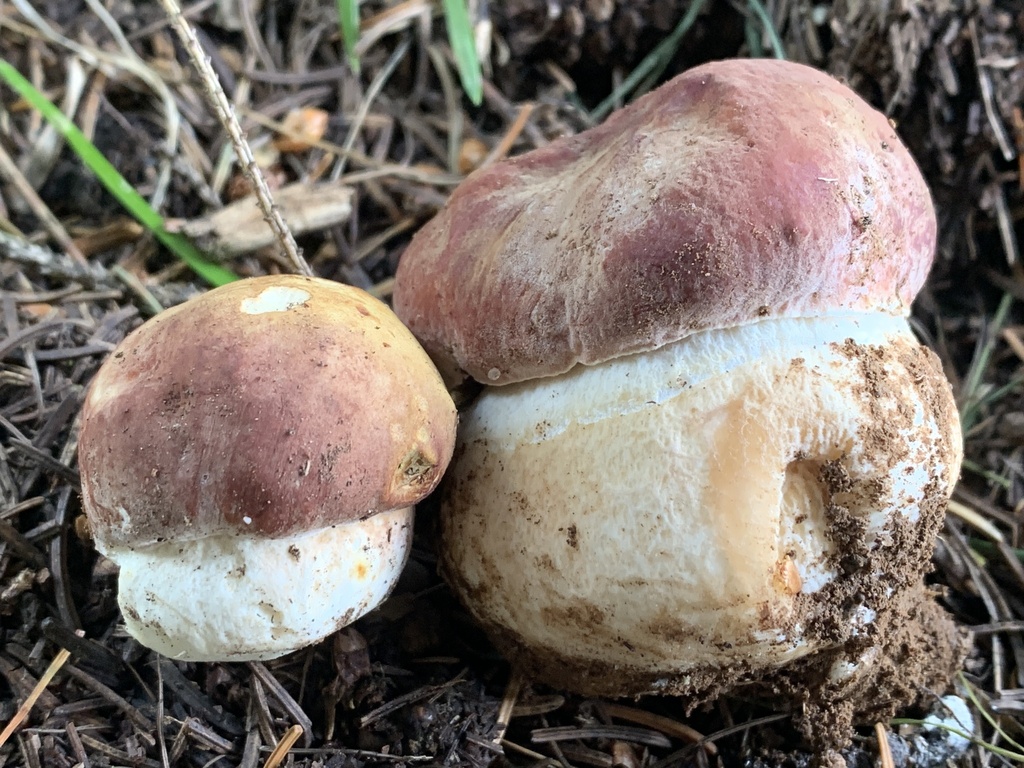
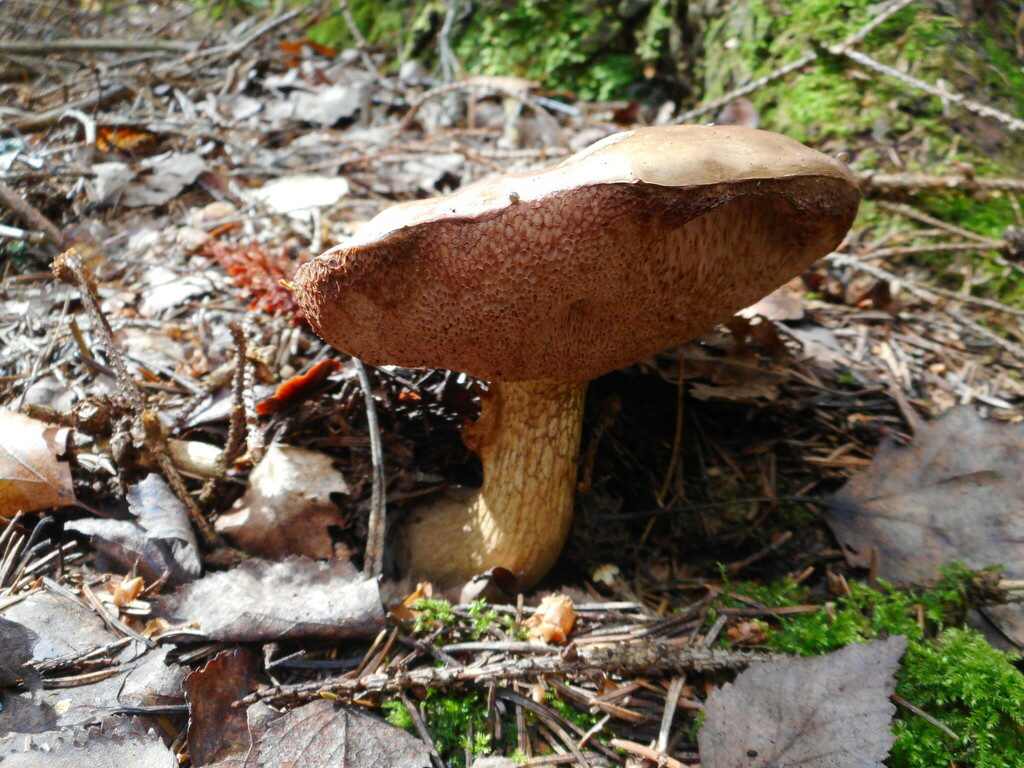
A stout, brown-capped bolete with pale pores and fine white netting on the upper stem.
Study field marksCantharellus roseocanus
A western chanterelle with blunt forked ridges, solid pale flesh, and a young pinkish cap bloom.
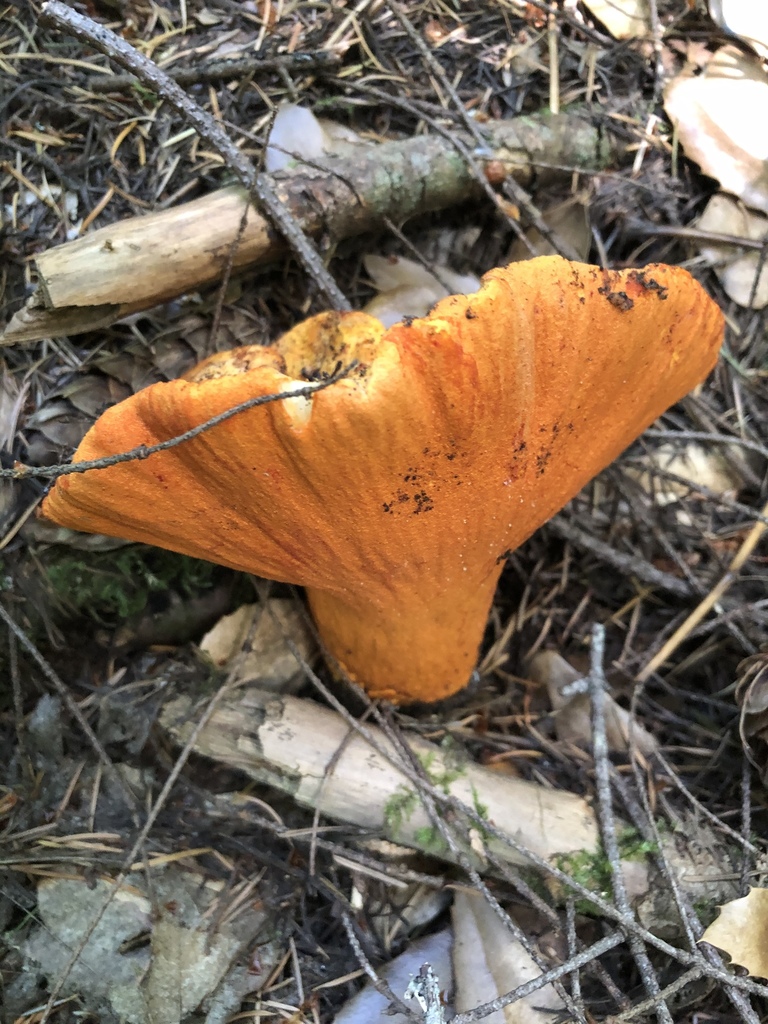
Study field marksHypomyces lactifluorum
A firm host mushroom transformed by a red-orange parasitic fungus that erases most of the original gills.
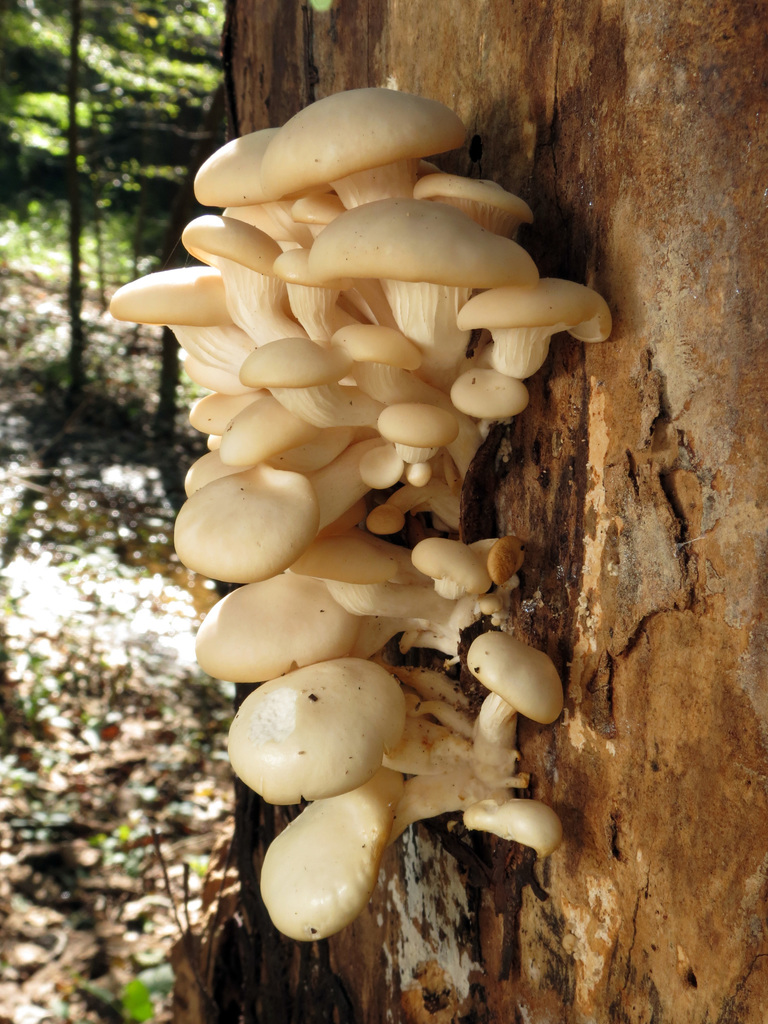
Study field marksPleurotus ostreatus
Pale fan-shaped caps growing in shelves on wood, with gills descending a short off-center stem.
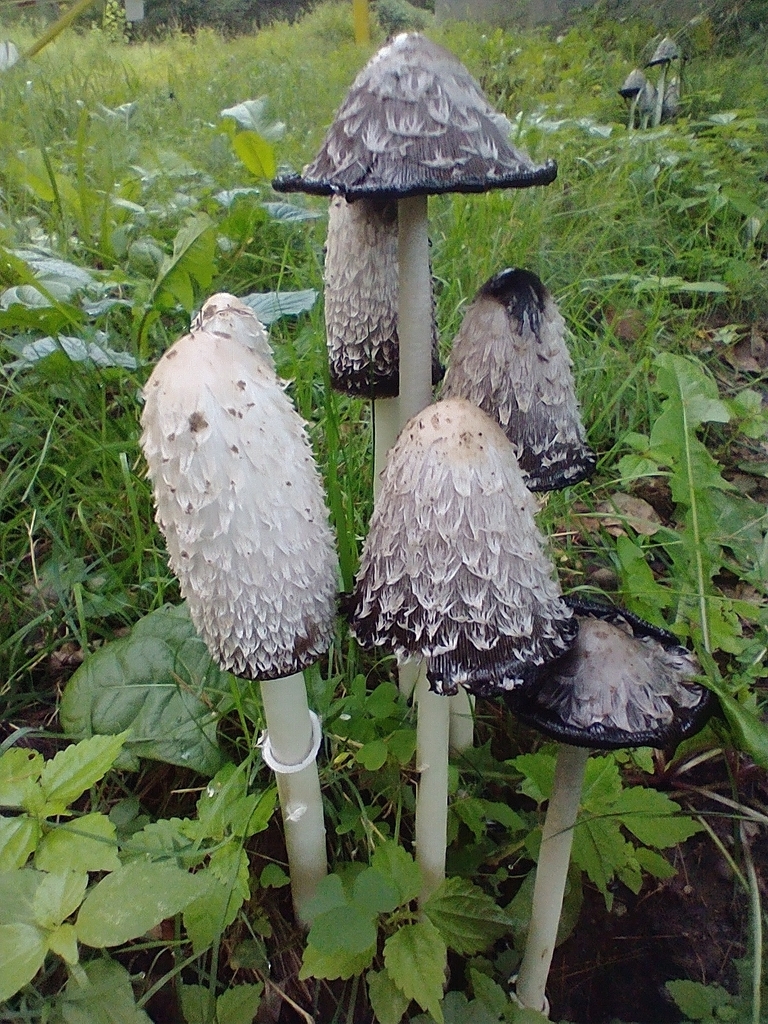
Study field marksCoprinus comatus
A tall white ink cap whose shaggy cylinder dissolves from the rim into black liquid as it matures.
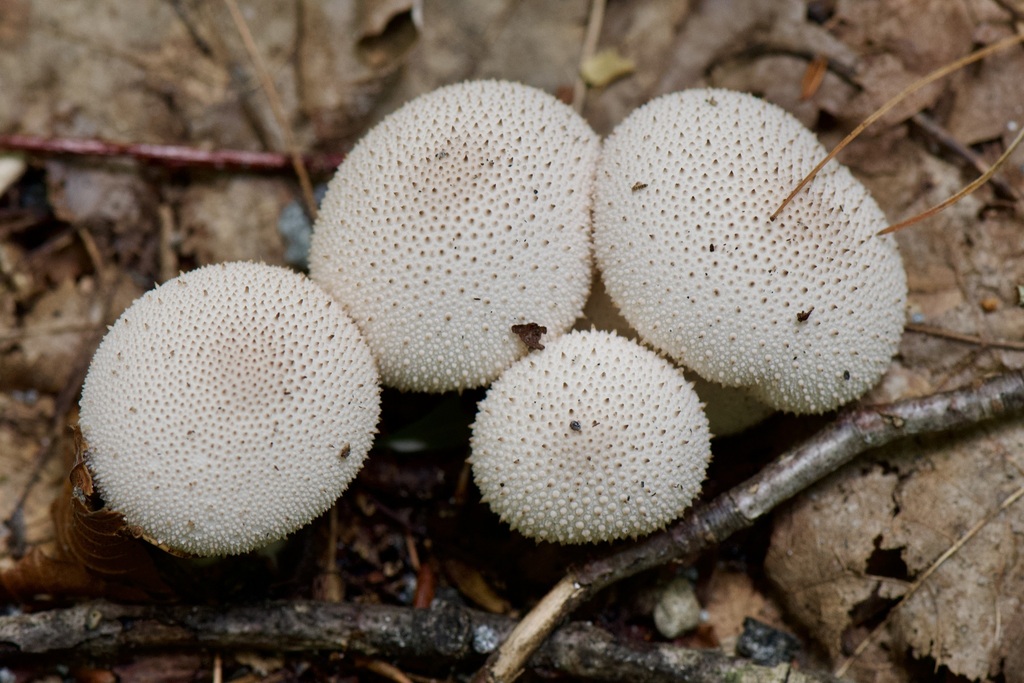
Study field marksLycoperdon perlatum
A pear-shaped puffball with detachable cone-shaped spines and a mandatory pure-white slice test.
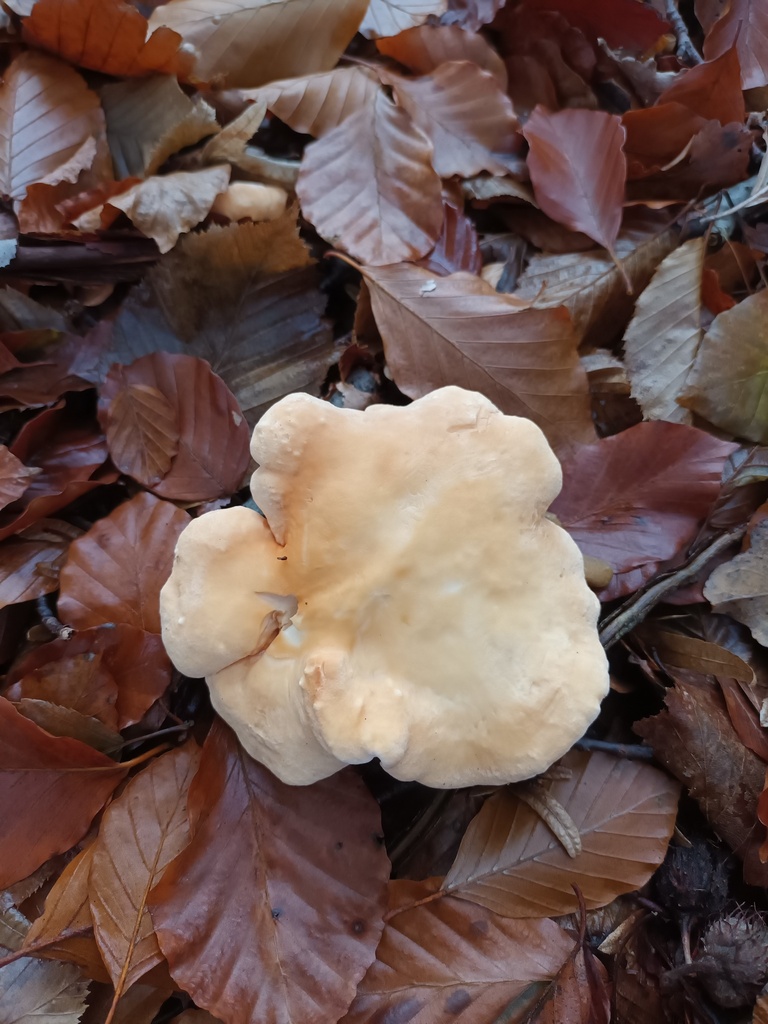
Study field marksHydnum repandum
A woodland mushroom with soft detachable teeth under the cap instead of gills or pores.
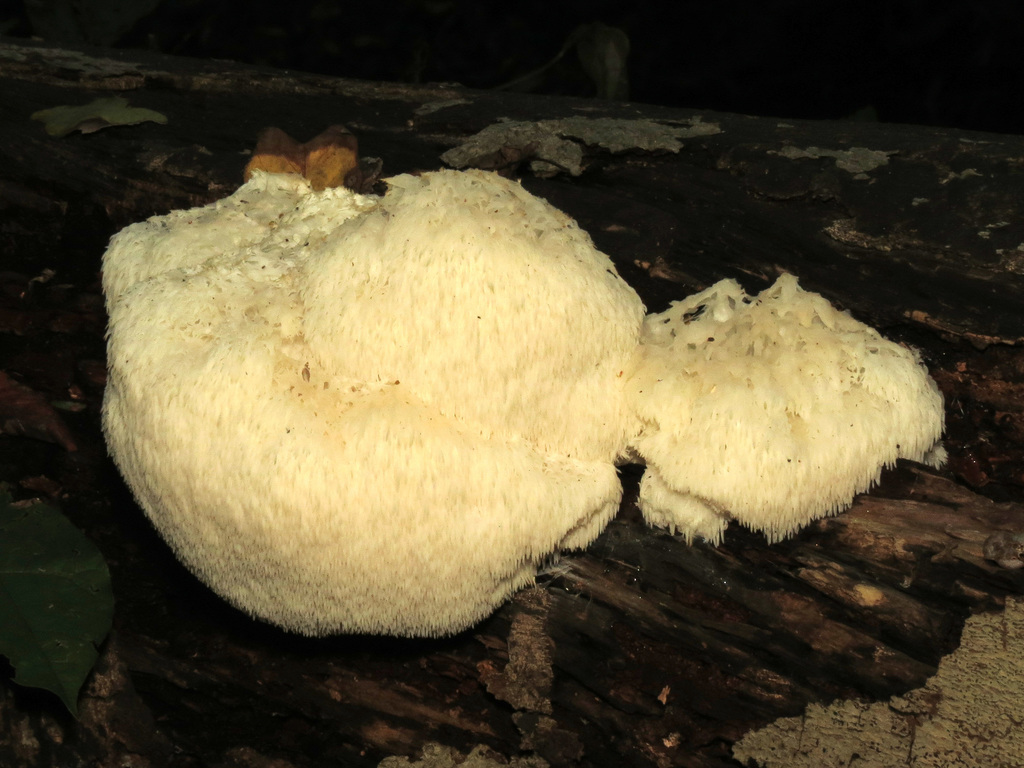
Study field marksHericium erinaceus
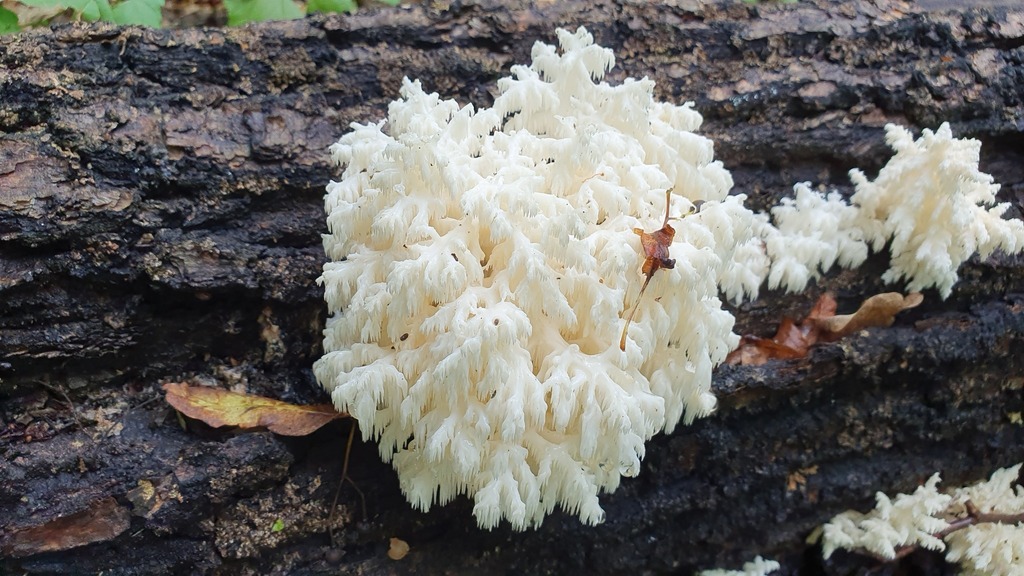
A white hardwood fungus formed from one cushion of long dangling teeth, without a cap, gills, or stem.
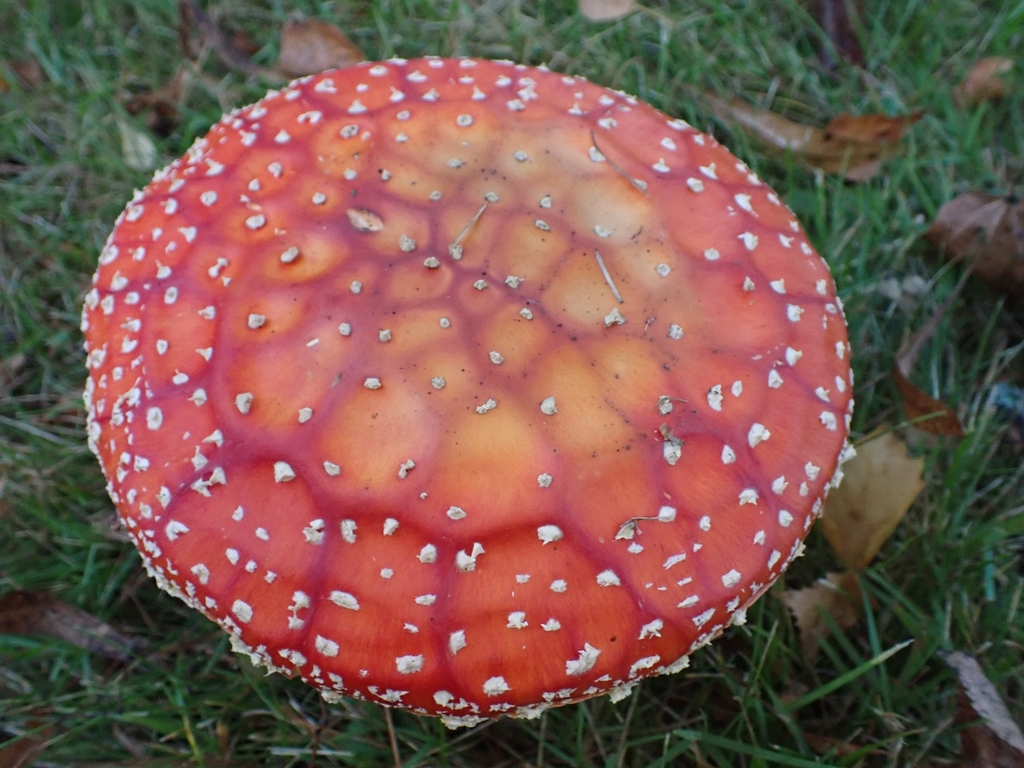
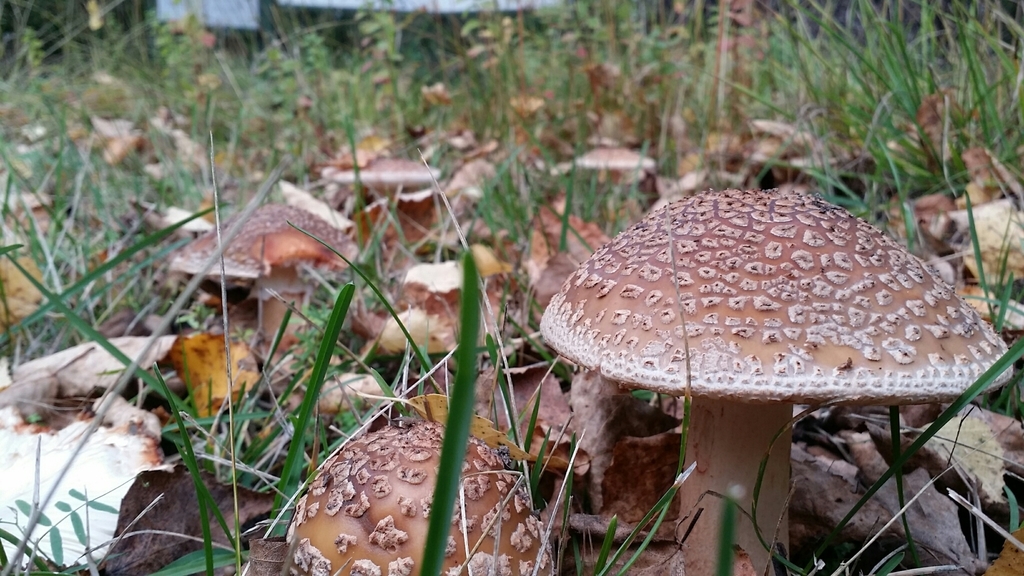
Study field marksAmanita muscaria
The iconic red or yellow Amanita with white veil warts, white gills, a ring, and a bulbous base marked by scaly rings.
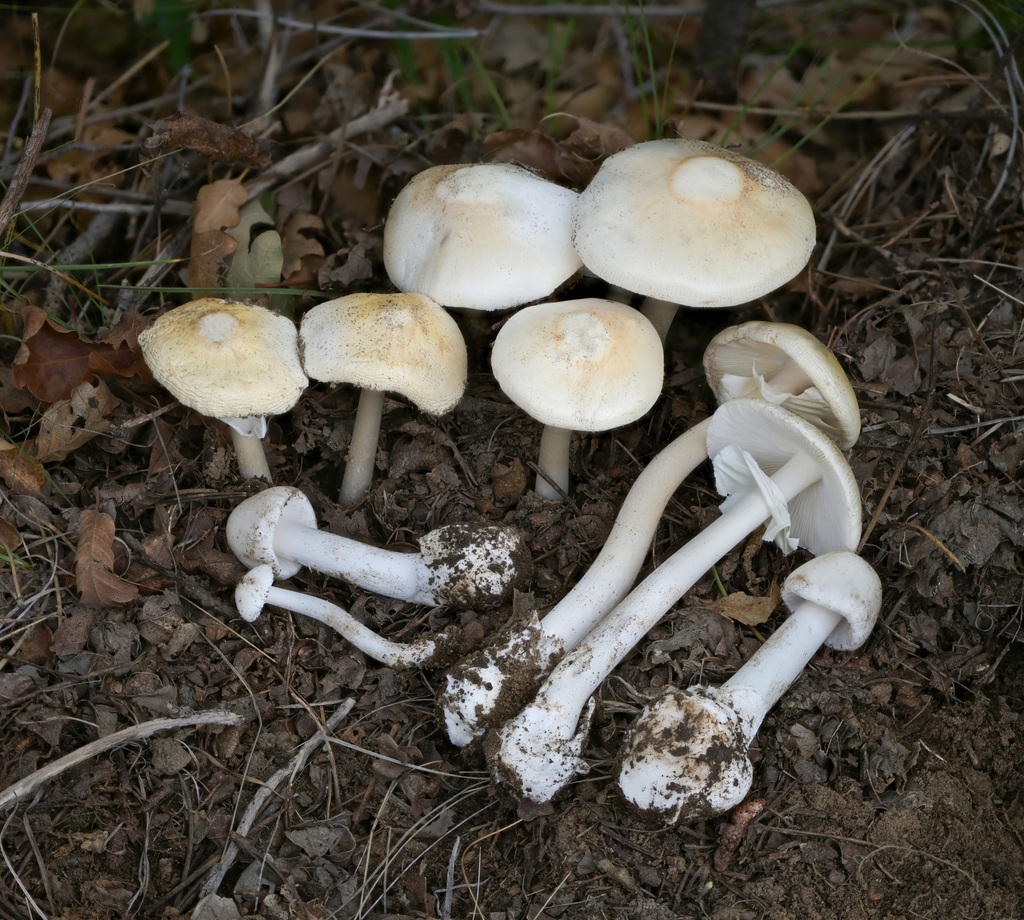
Study field marksAmanita bisporigera
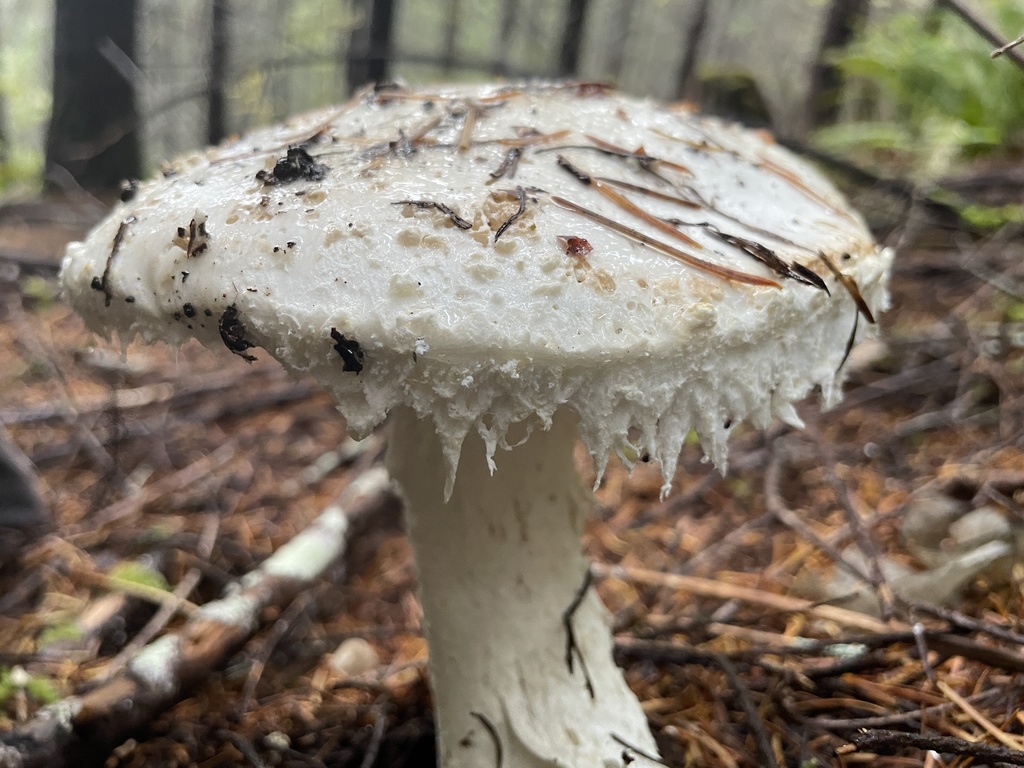
A deadly white Amanita pattern defined by free white gills, a ring, white spores, and a buried sack-like volva.
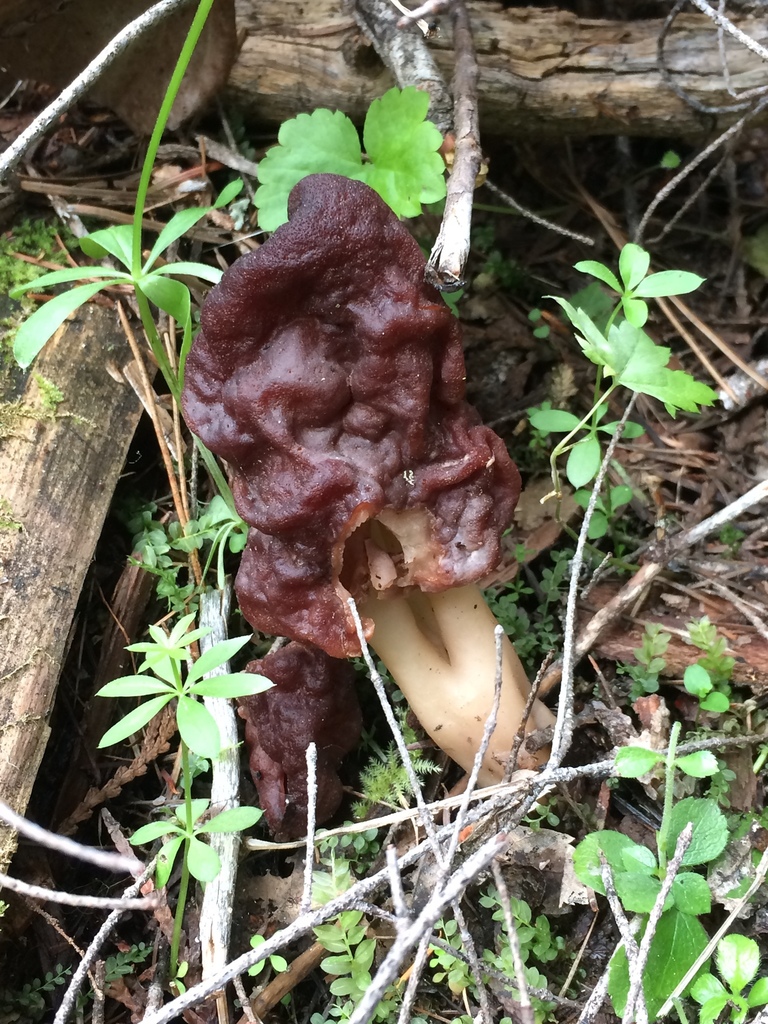
Study field marksGyromitra esculenta
A spring mushroom with brain-like folds and a chambered interior that overlaps true-morel habitat and can cause severe poisoning.
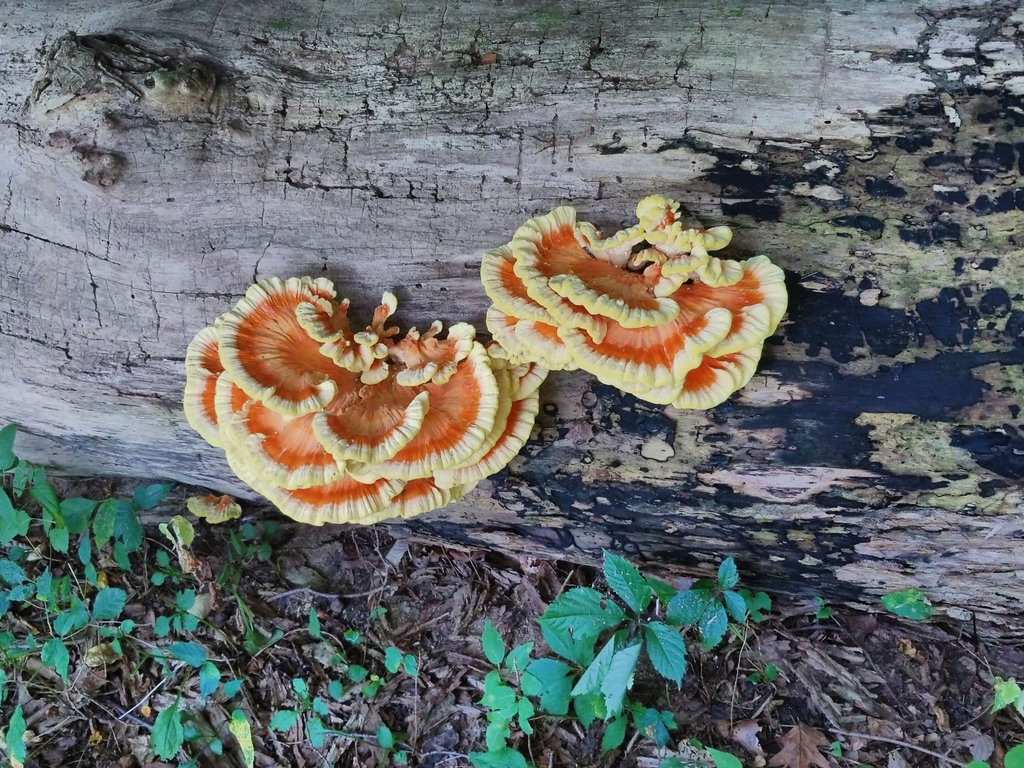
Study field marksLaetiporus sulphureus
Bright orange and yellow shelves on wood, with a sulfur-yellow pore surface and no gills.
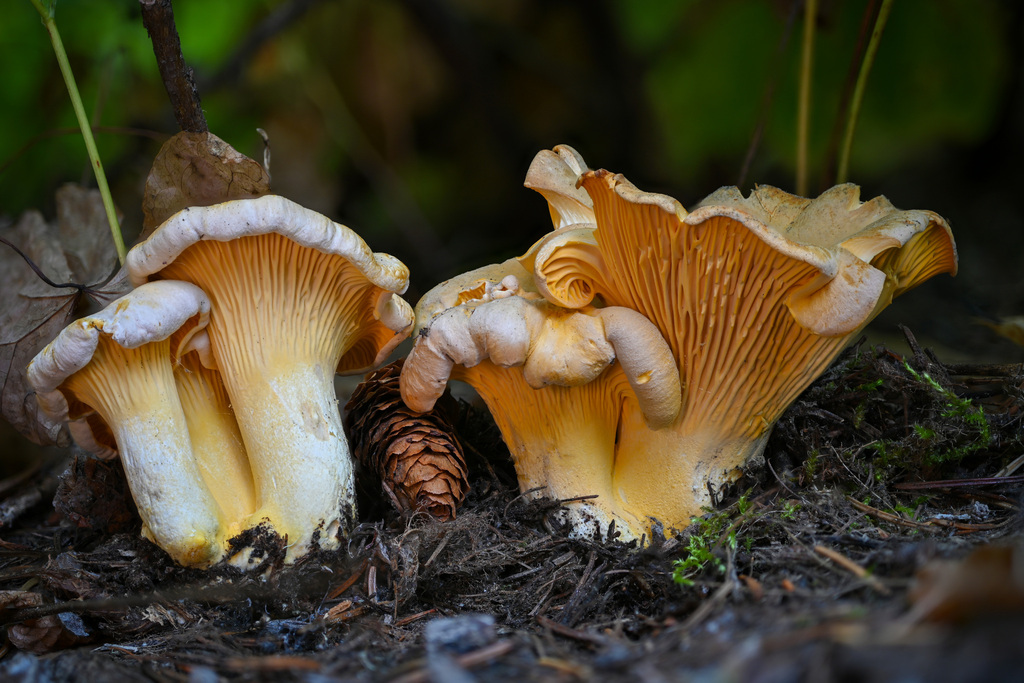
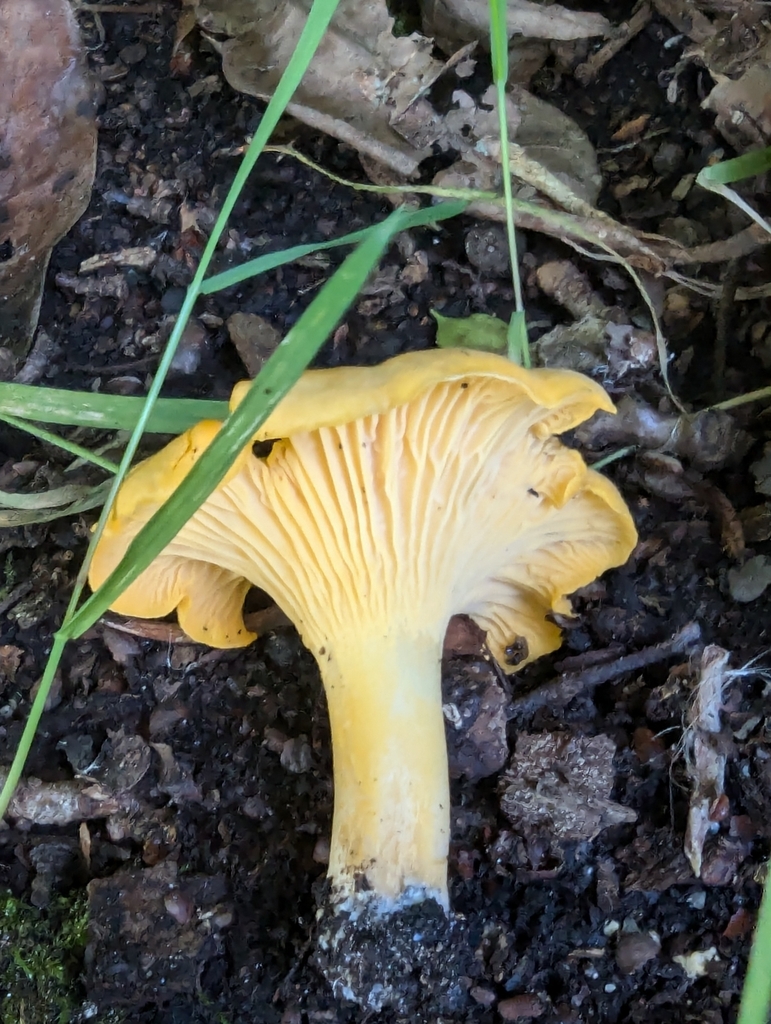
Study field marksCantharellus cibarius
A golden woodland chanterelle with blunt forked ridges, solid pale flesh, and no true gill blades.
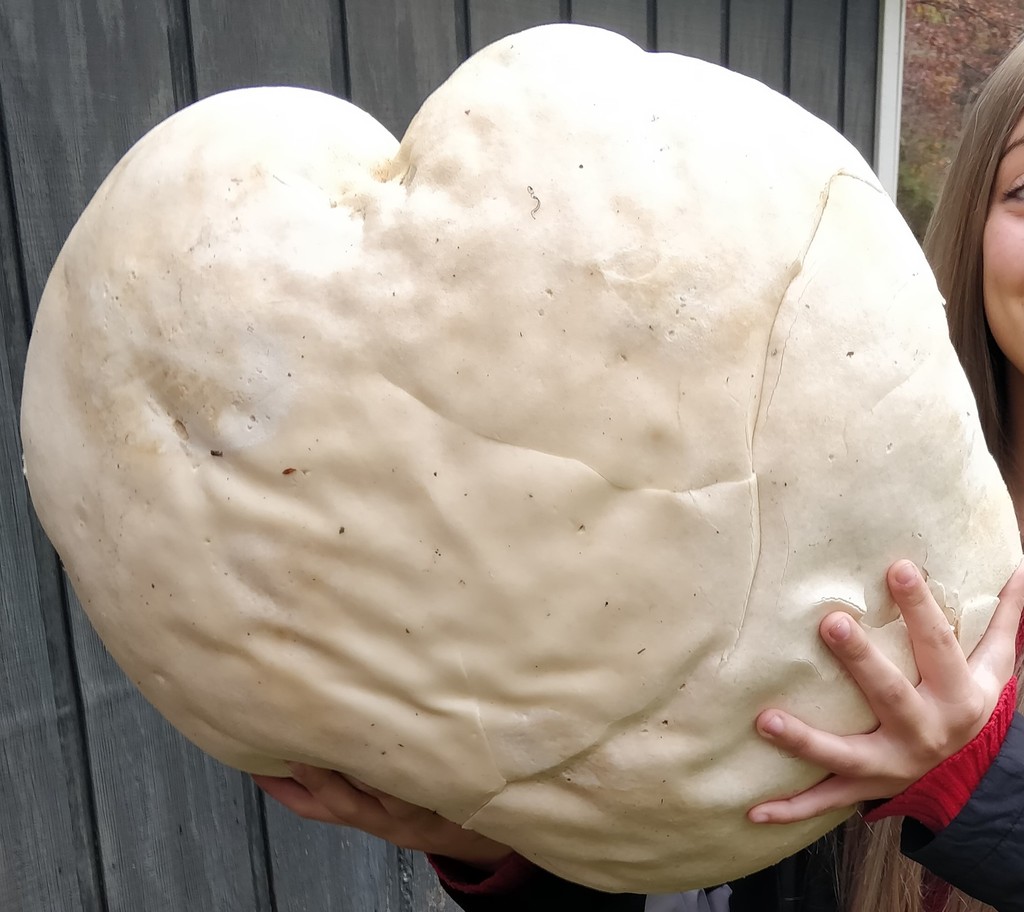
Study field marksCalvatia gigantea
A stemless white ball that can grow larger than a basketball and must be cut open before any culinary consideration.
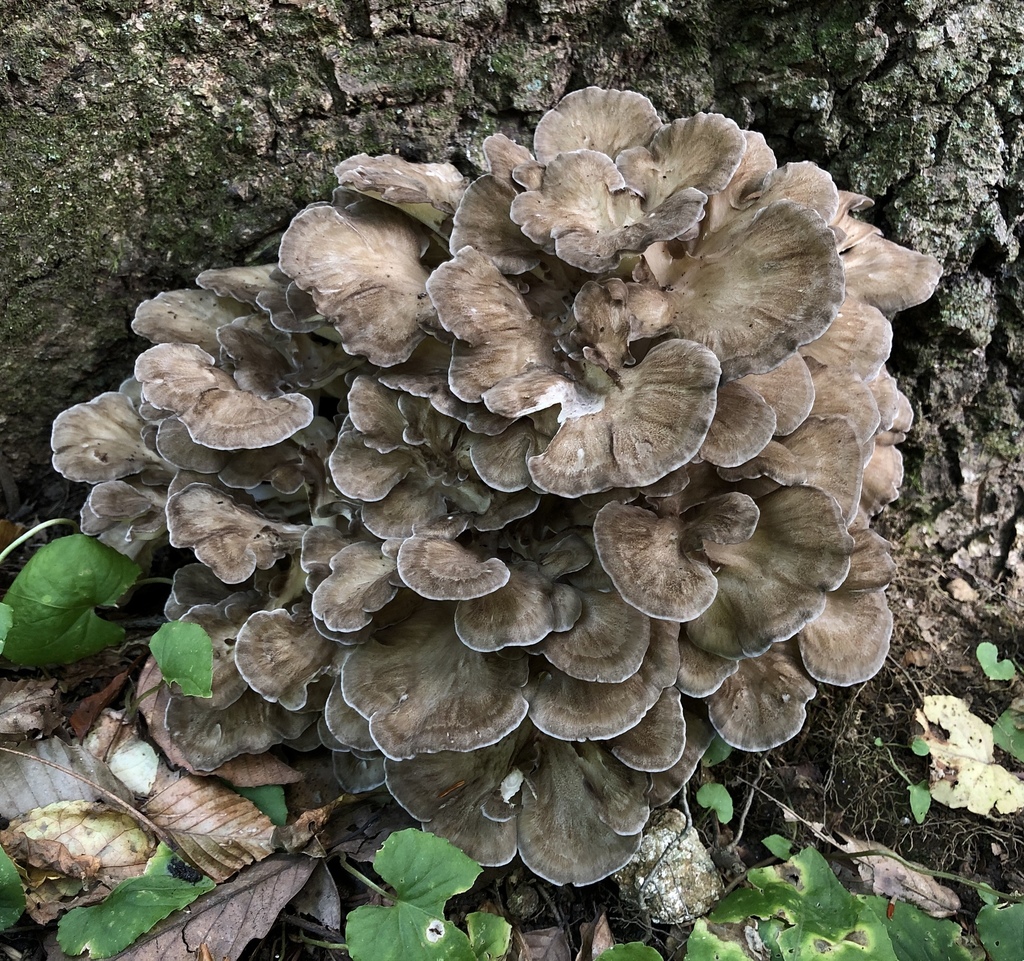
Study field marksGrifola frondosa
A large gray-brown rosette of many spoon-shaped fronds joined to a branched base beside mature hardwoods.
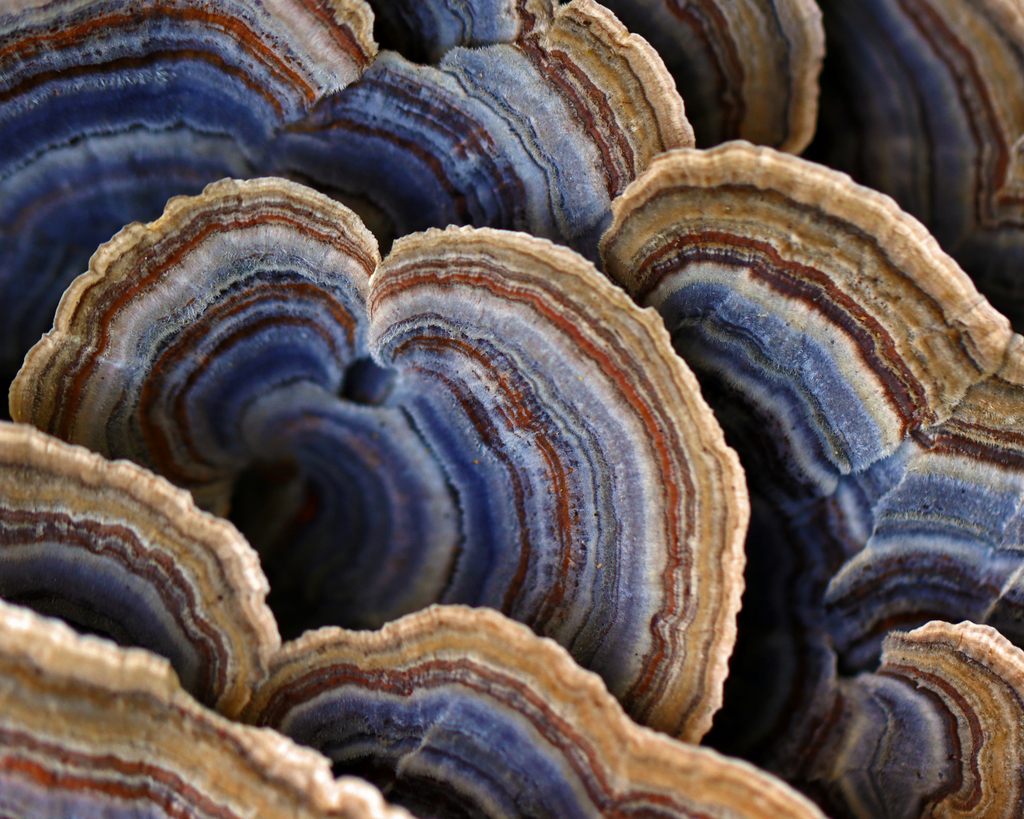
Study field marksTrametes versicolor
Thin flexible fans with velvety multicolored bands above and a dense white pore surface below.
Study field marksTricholoma murrillianum
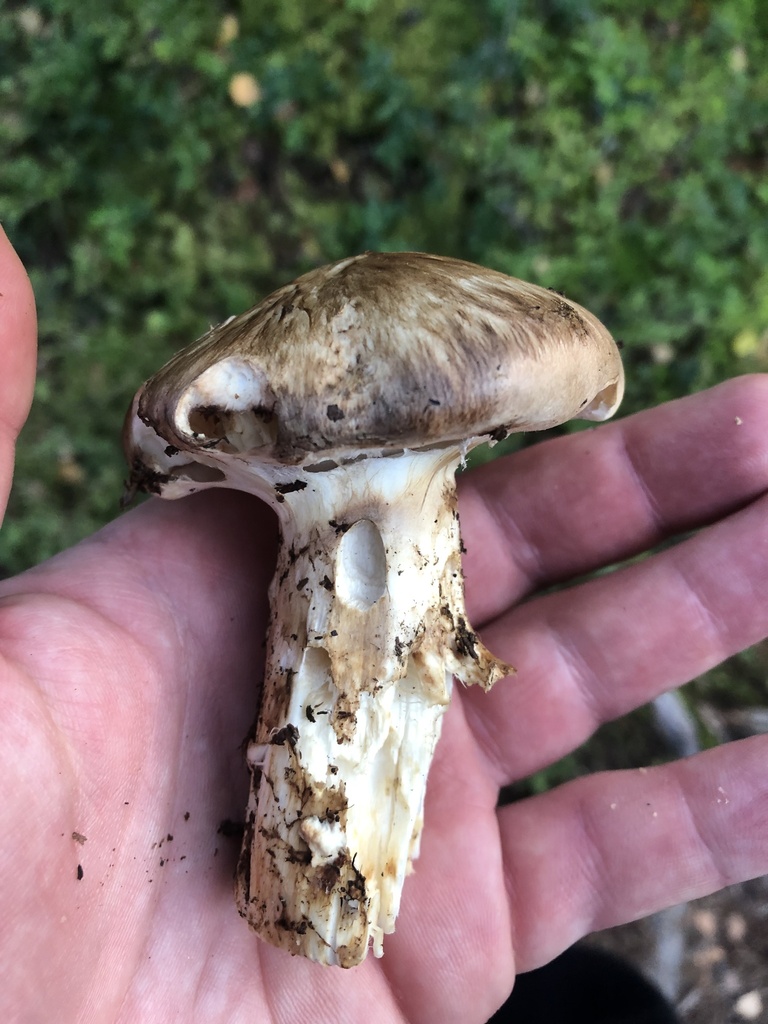
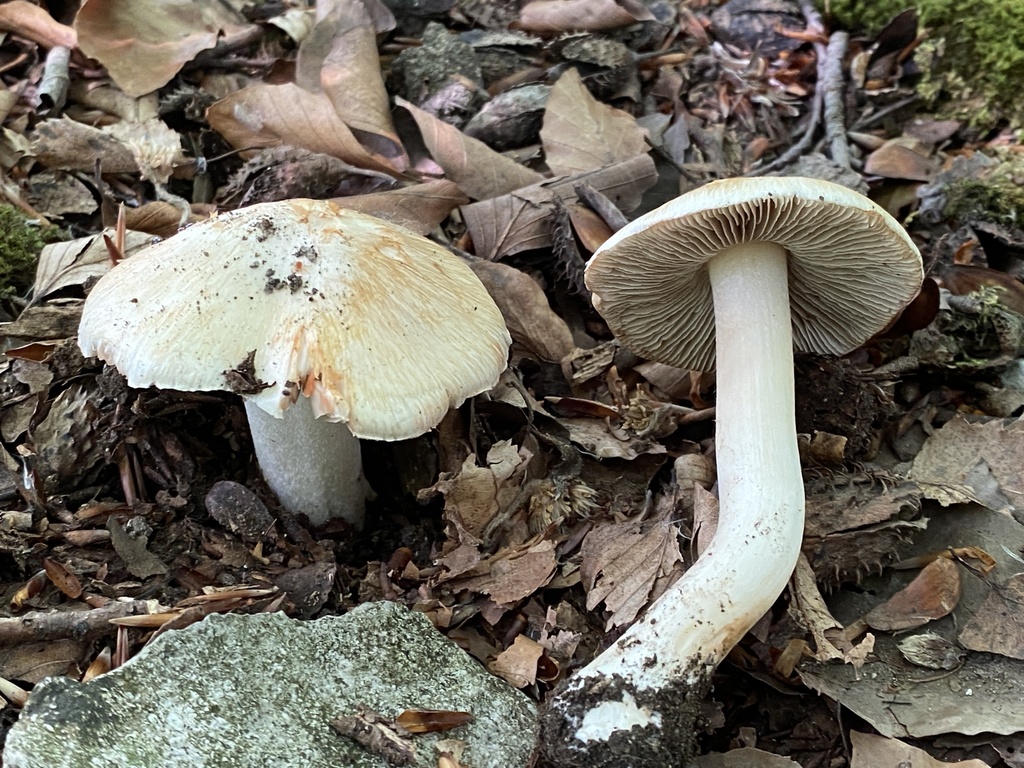
A dense white pine mushroom with brown cap fibers, a sheathing ring, firm buried base, and a strong spicy odor.
Study field marksAgaricus campestris
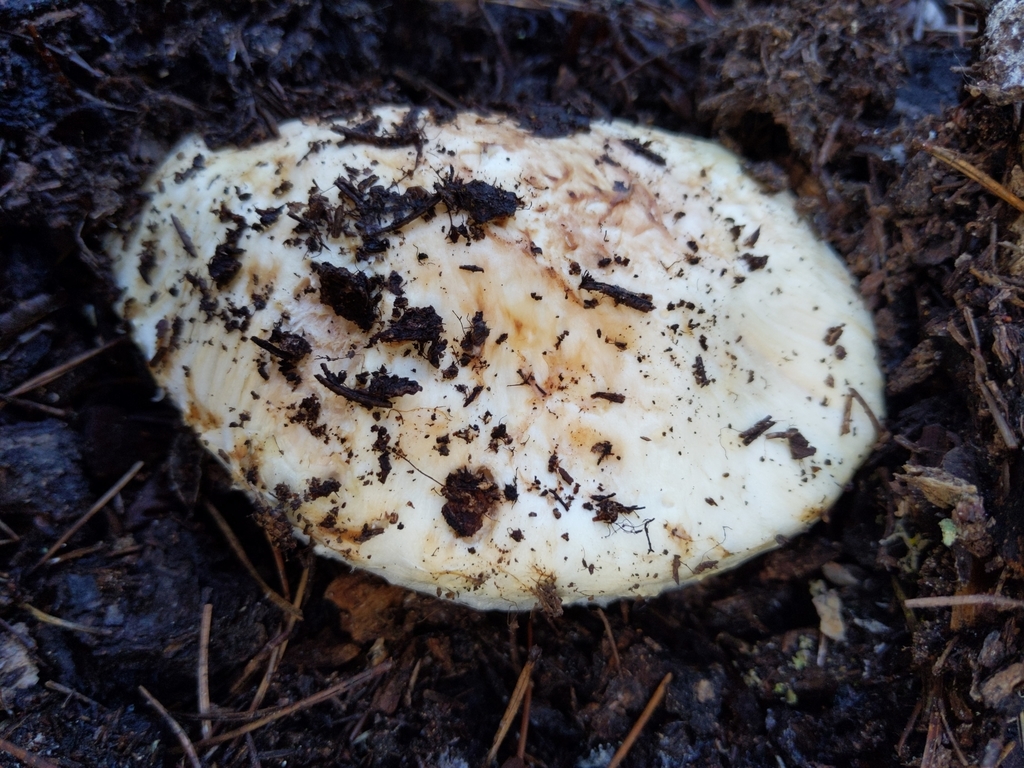
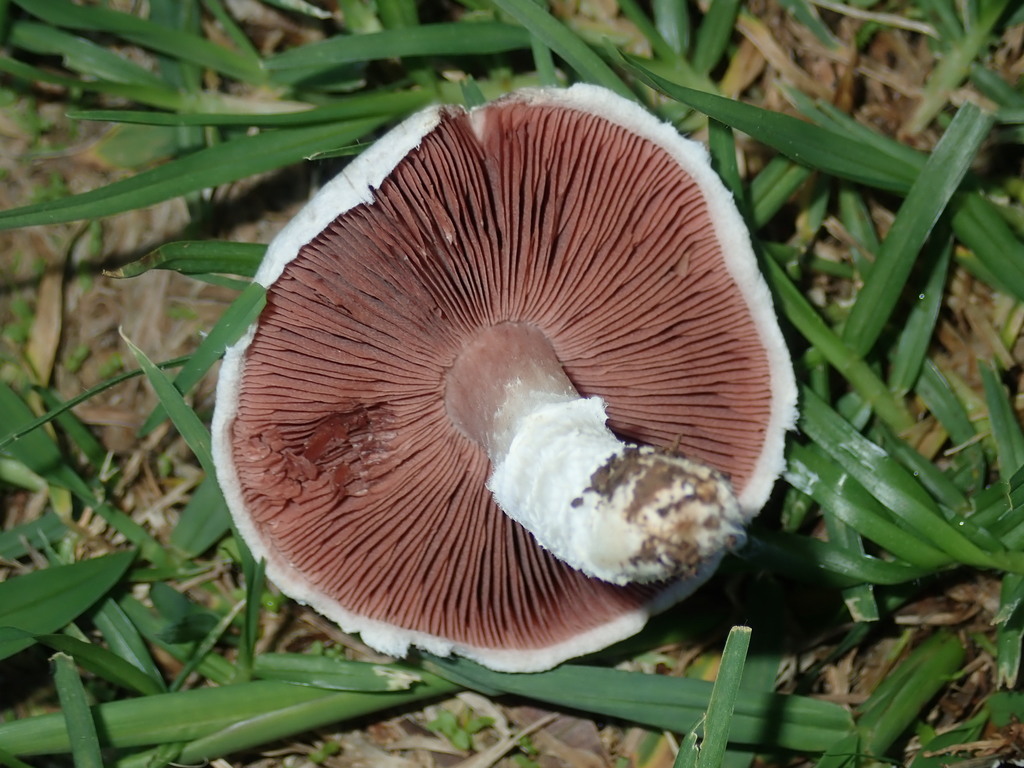
A white grassland Agaricus whose free gills mature from pink to chocolate brown and whose base has no volva.
Study field marksCraterellus cornucopioides
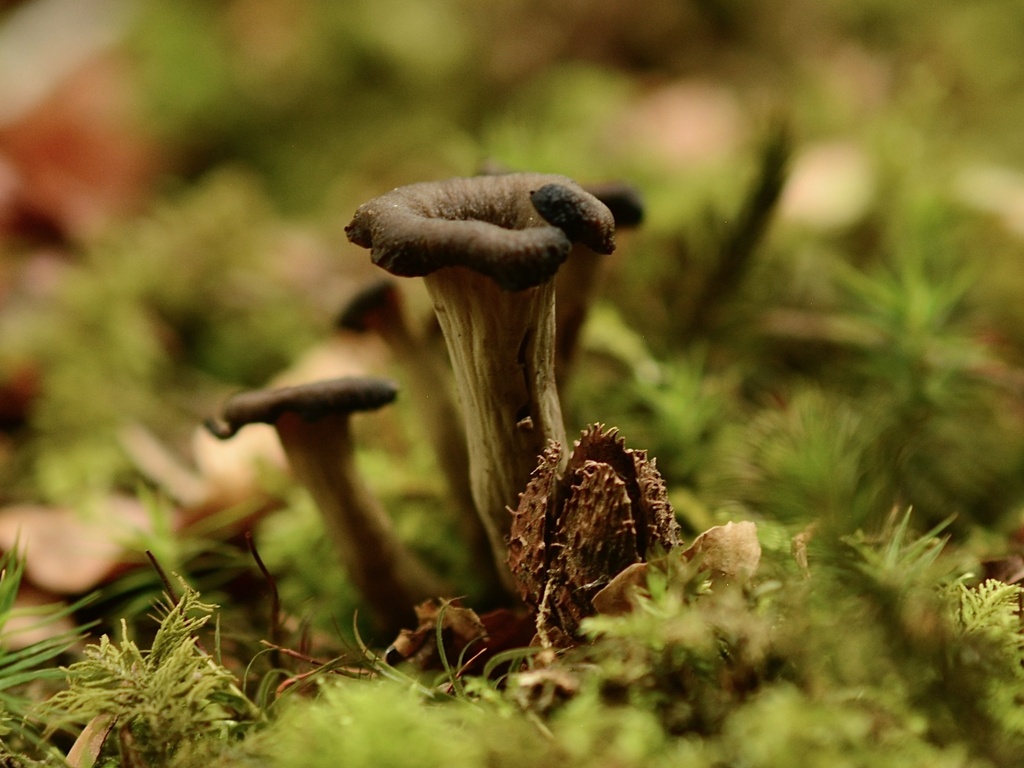
A thin charcoal funnel that is hollow to the base, with a smooth to faintly wrinkled gray outer surface and no gills.
Study field marksLactarius deliciosus
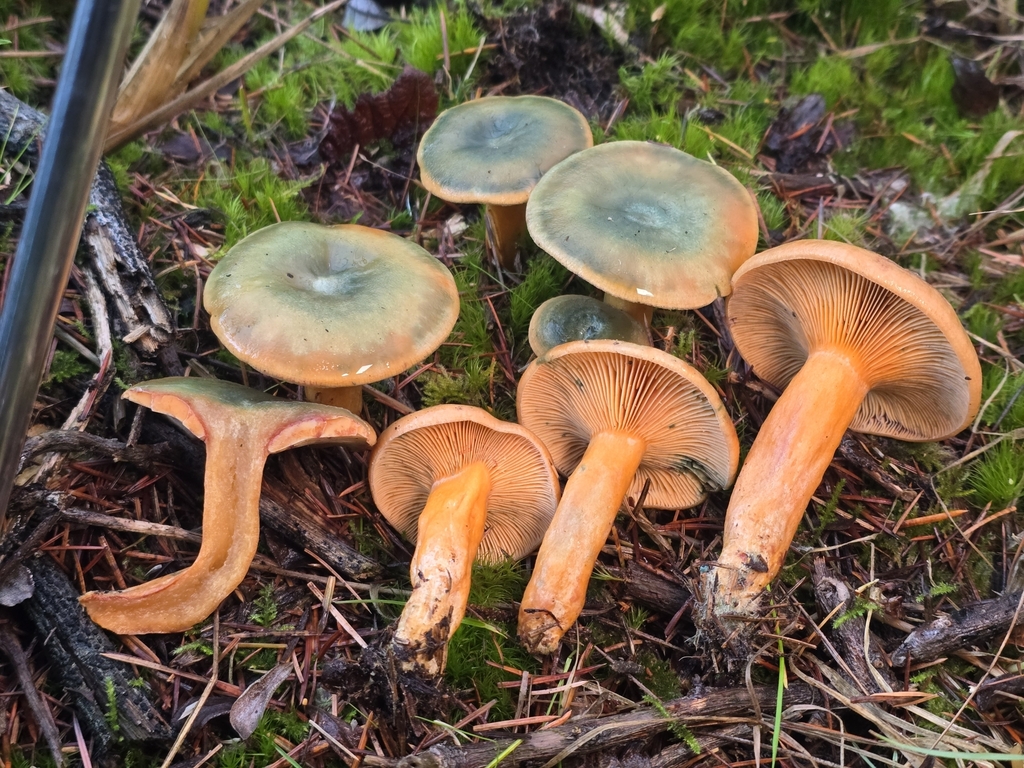
An orange pine-associated milk cap with concentric cap zones, orange latex, and green staining where damaged.
Study field marksAmanita phalloides
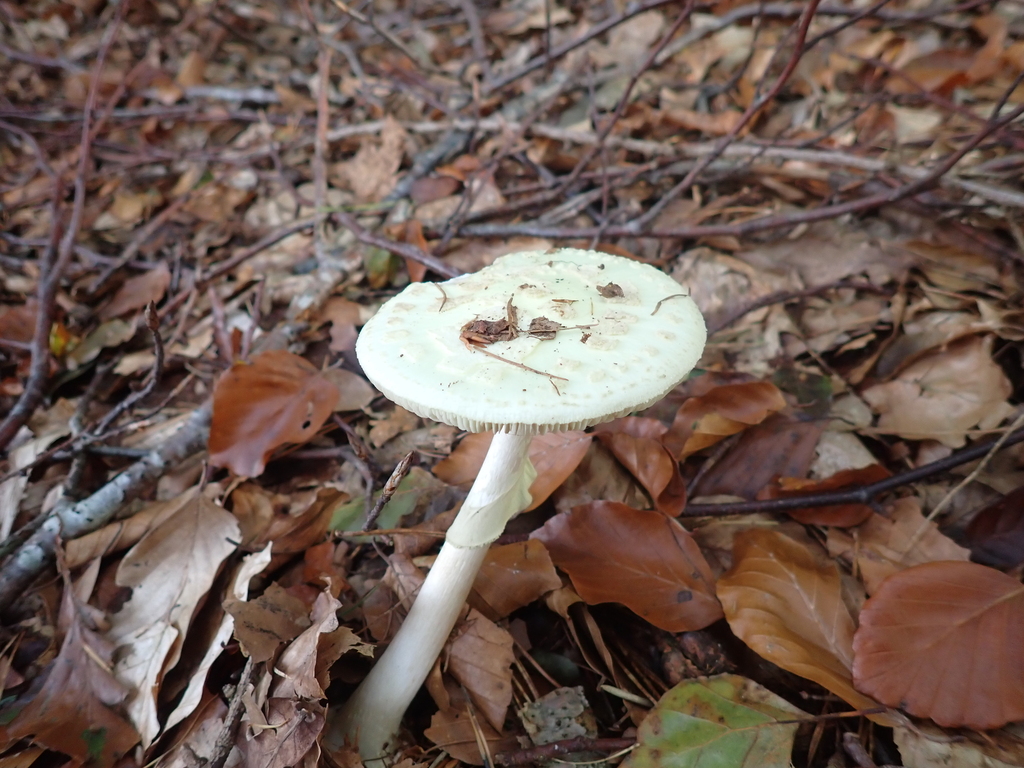
A deadly olive, bronze, yellow, or pale Amanita with free white gills, a ring, white spores, and a buried sack-like volva.
Study field marksChlorophyllum molybdites
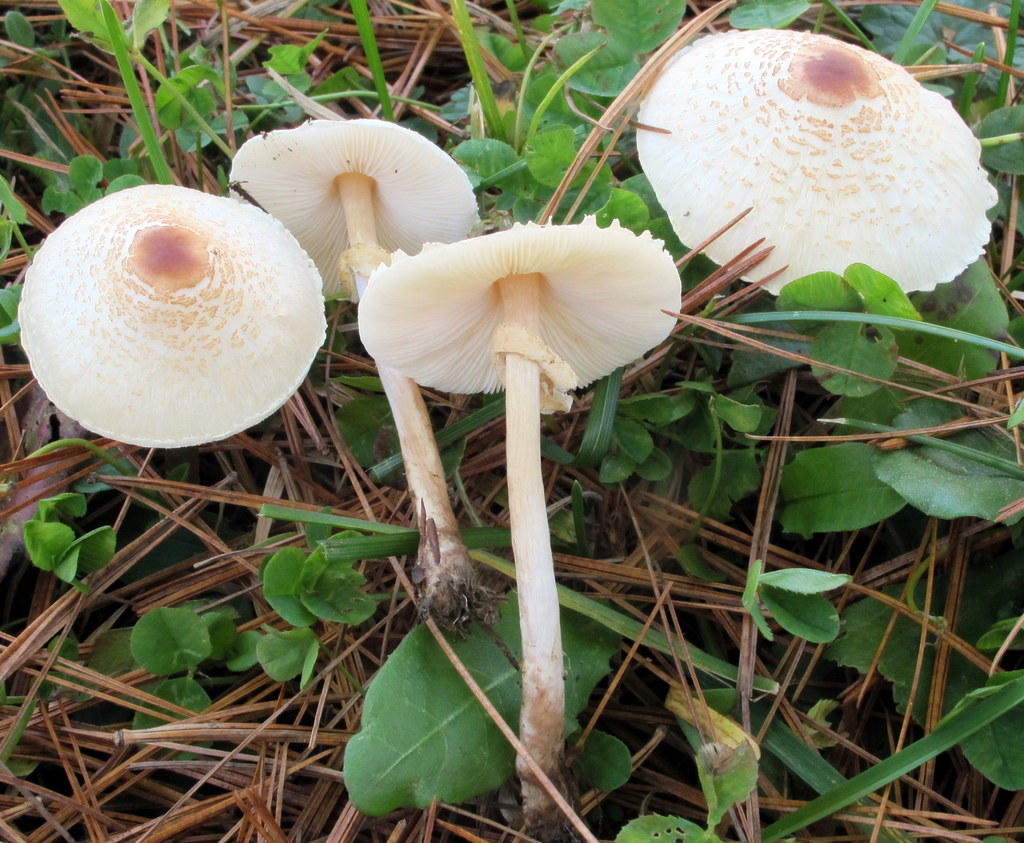
A large lawn parasol with brown cap scales, a movable ring, and gills that turn gray-green as its green spores mature.
Study field marksOmphalotus illudens
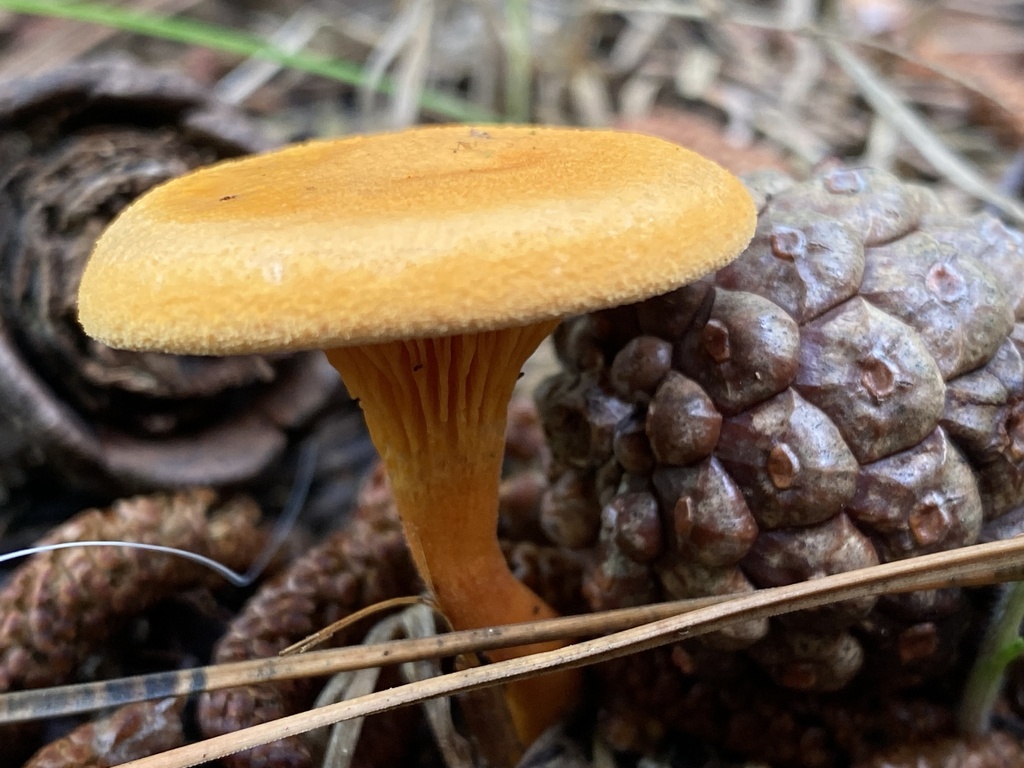
A poisonous orange mushroom in dense wood-based clusters, with sharp true gills descending the stem.
Study field marksGalerina marginata
A small brown wood-growing mushroom with rusty gills and spores, a fragile ring zone, and potentially fatal amatoxins.
Study field marksScleroderma citrinum
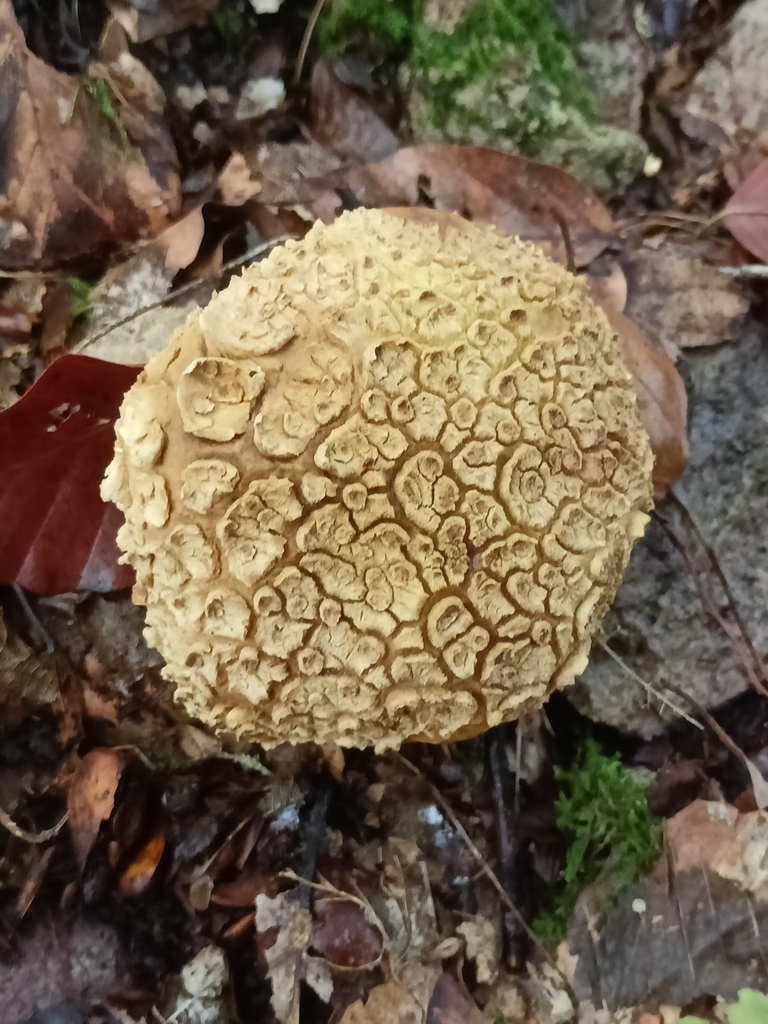
A firm yellow-brown ball with a thick cracked rind and a purple-black interior that distinguishes it from edible-stage puffballs.
Study field marksCoprinopsis atramentaria
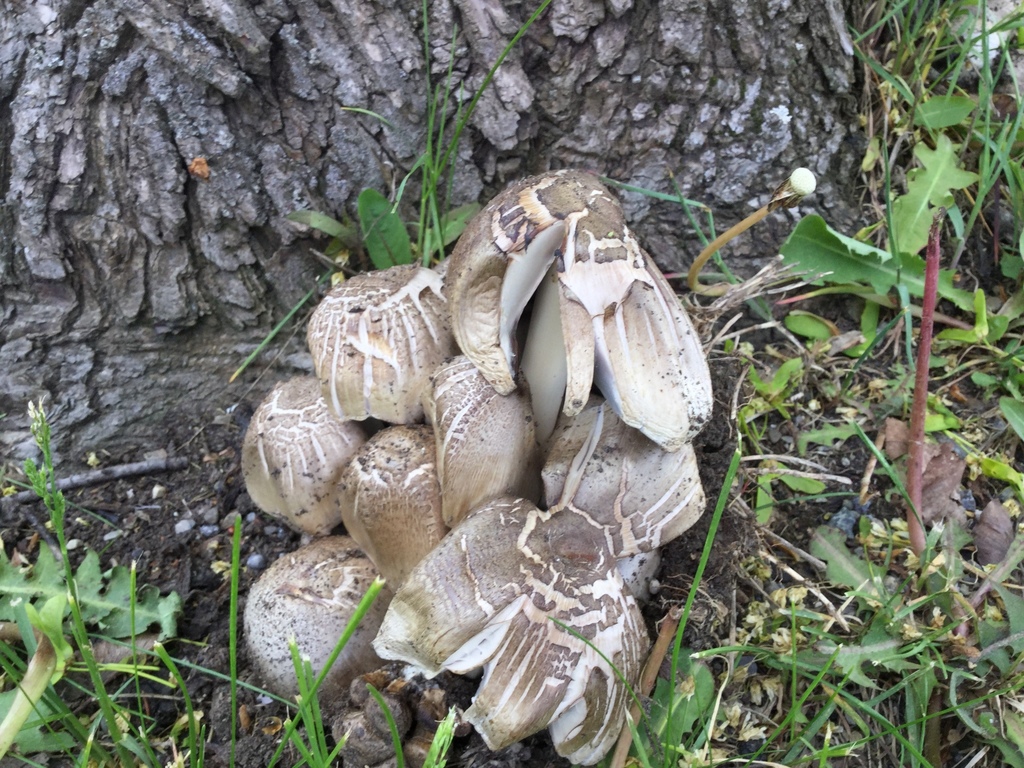
Smooth gray-brown clustered caps that dissolve into black ink and can trigger a severe alcohol reaction.
Study field marksBoletus rubriceps
A high-elevation spruce bolete with a red-brown cap, white then yellow pores, and pale netting on a thick stem.
Study field marksBoletus rex-veris
A western spring porcini with a brown cap, thick netted stem, white-to-yellow pores, and little or no blue staining.
Study field marksLeccinum insigne
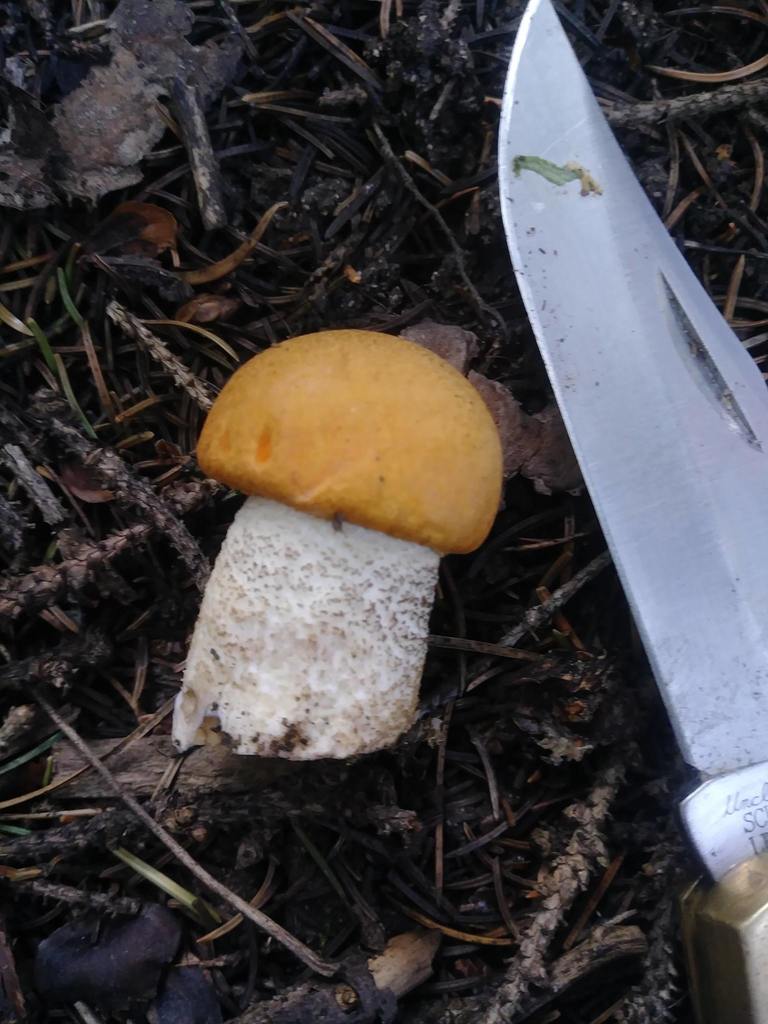
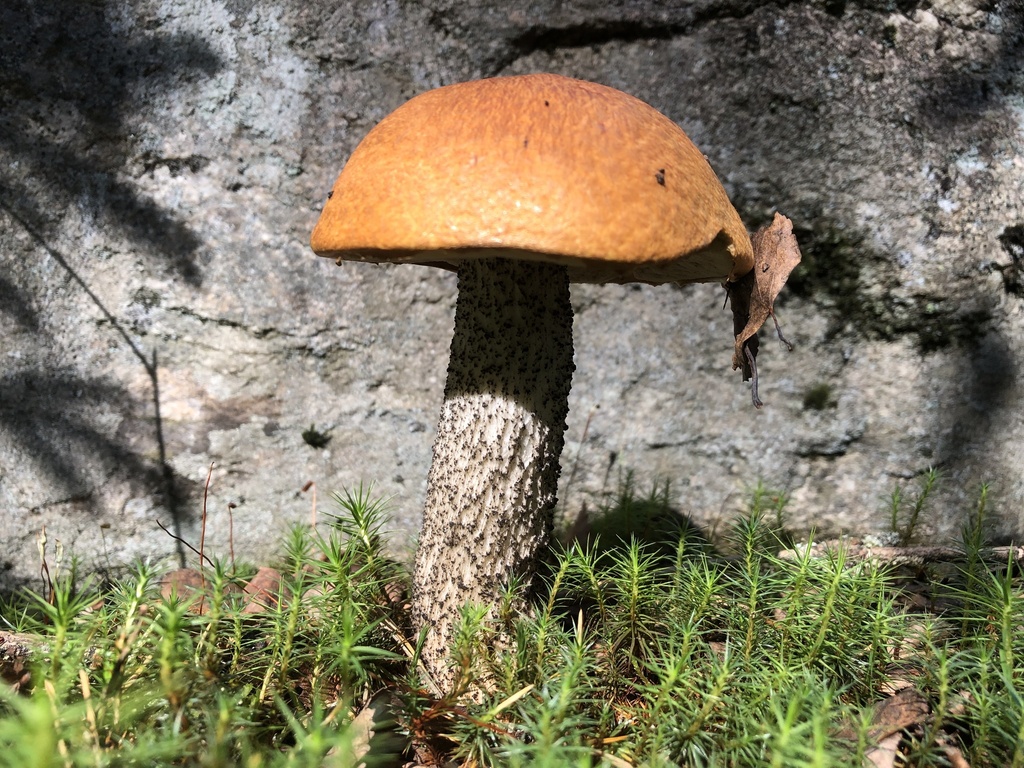
An orange-capped bolete under aspen, with pale pores and a white stem covered in dark scabers.
Study field marksGanoderma tsugae
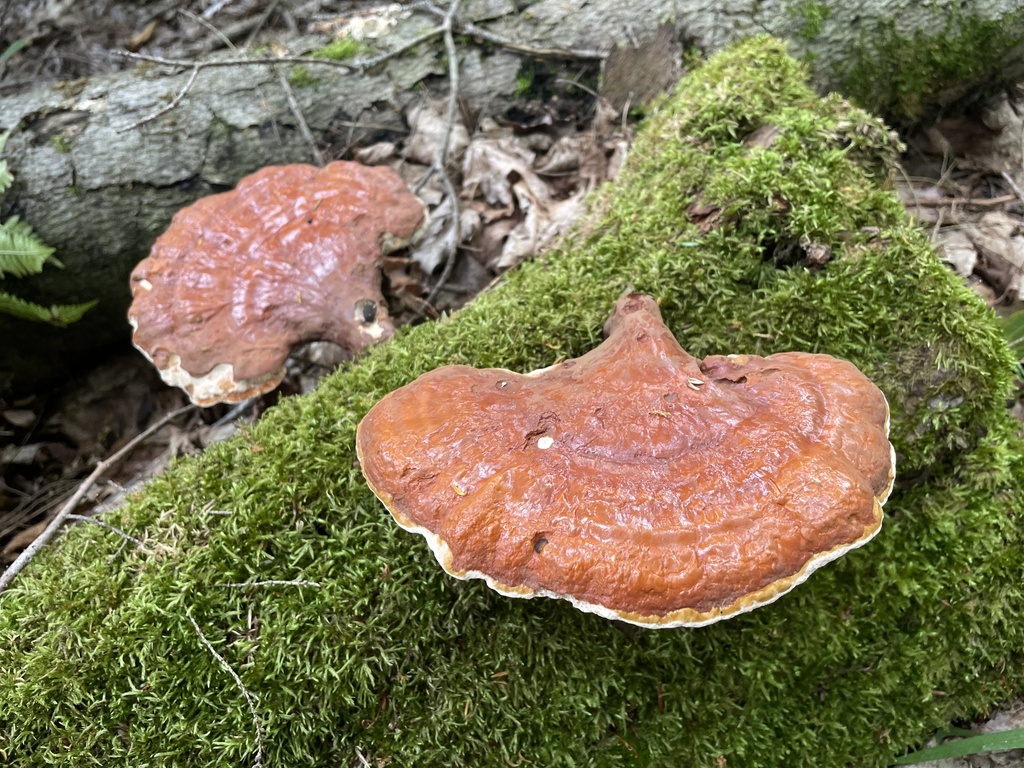
A lacquered red-brown shelf on hemlock and other conifers, prized for tea and extracts rather than as a food mushroom.
Study field marksInonotus obliquus
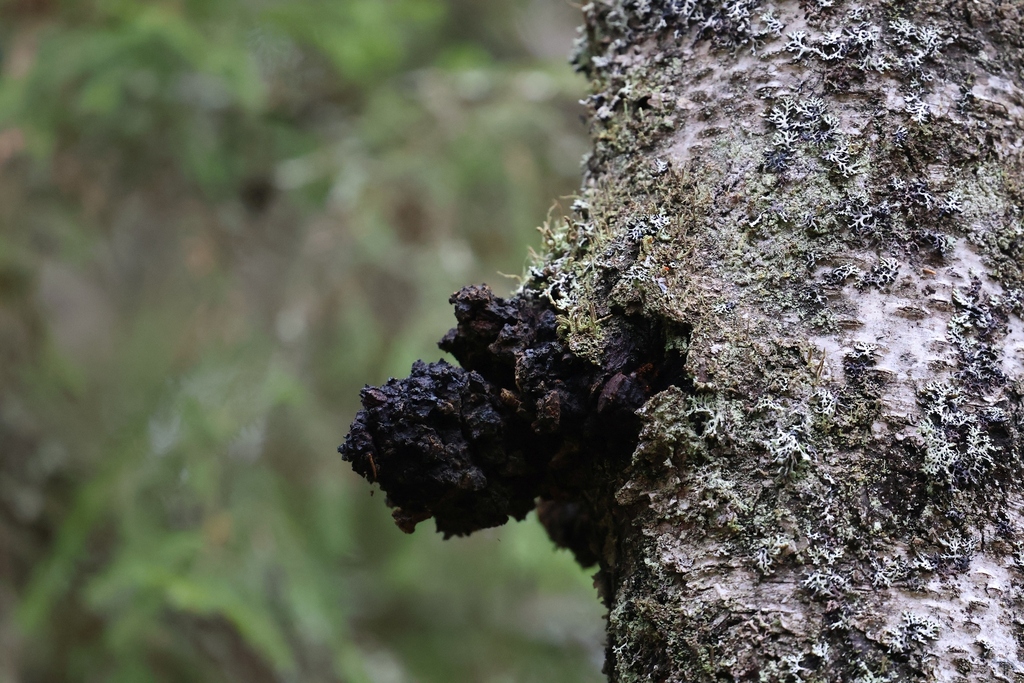
A black, cracked, charcoal-like canker on birch trunks whose rusty orange interior is used for tea.
Study field marksAuricularia auricula-judae
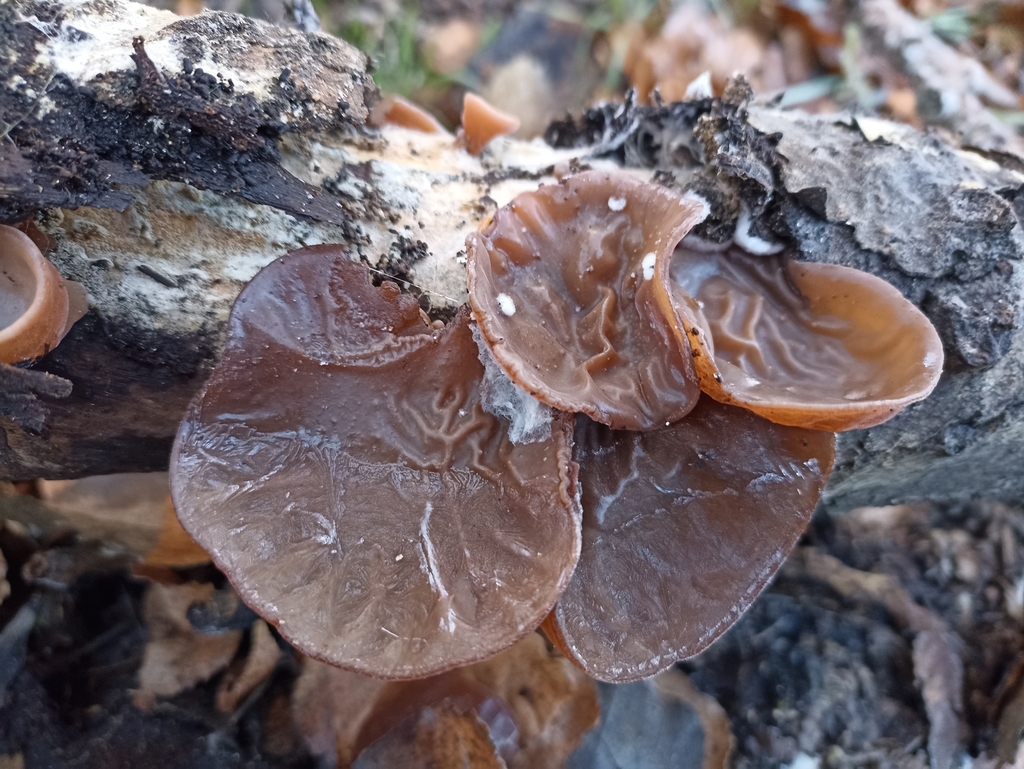
A rubbery, ear-shaped brown jelly fungus on dead hardwood, especially elder, eaten widely after cooking.
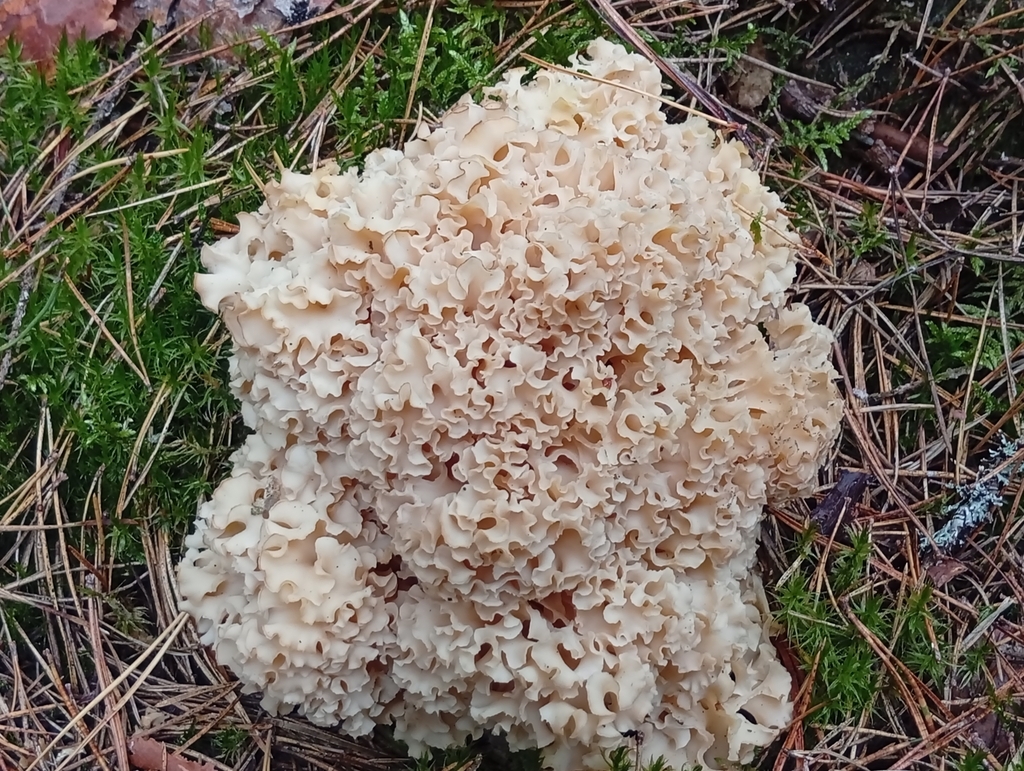
Study field marksSparassis crispa
A large cream rosette of flat, curly lobes at the base of conifers, easy to recognize and prized when fresh.
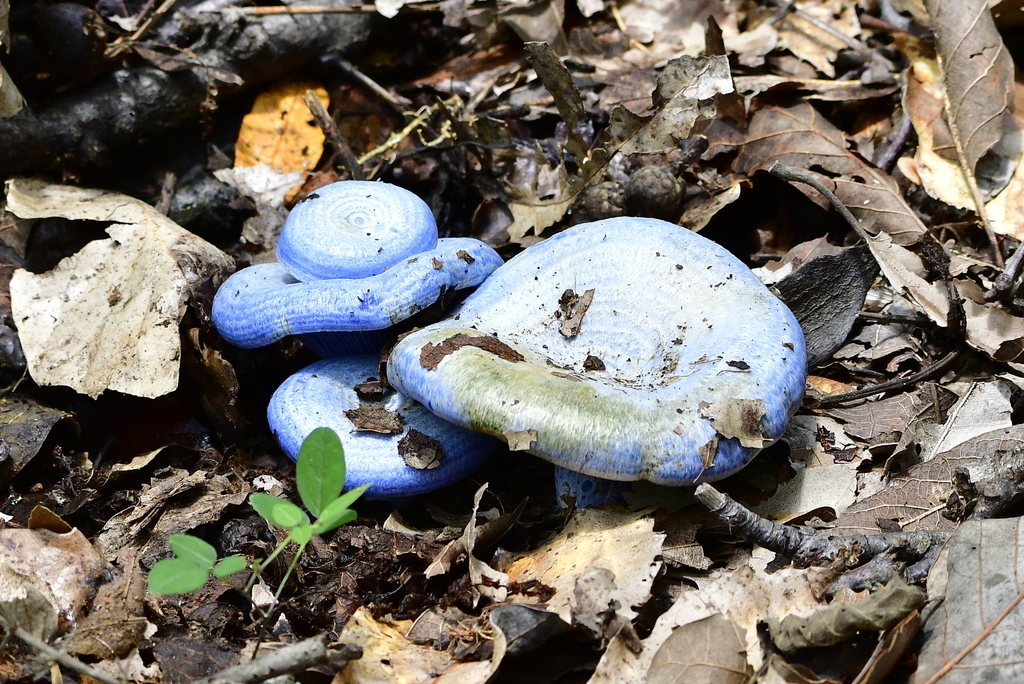
Study field marksLactarius indigo
A striking blue milk cap whose cut gills bleed blue latex that slowly stains green.
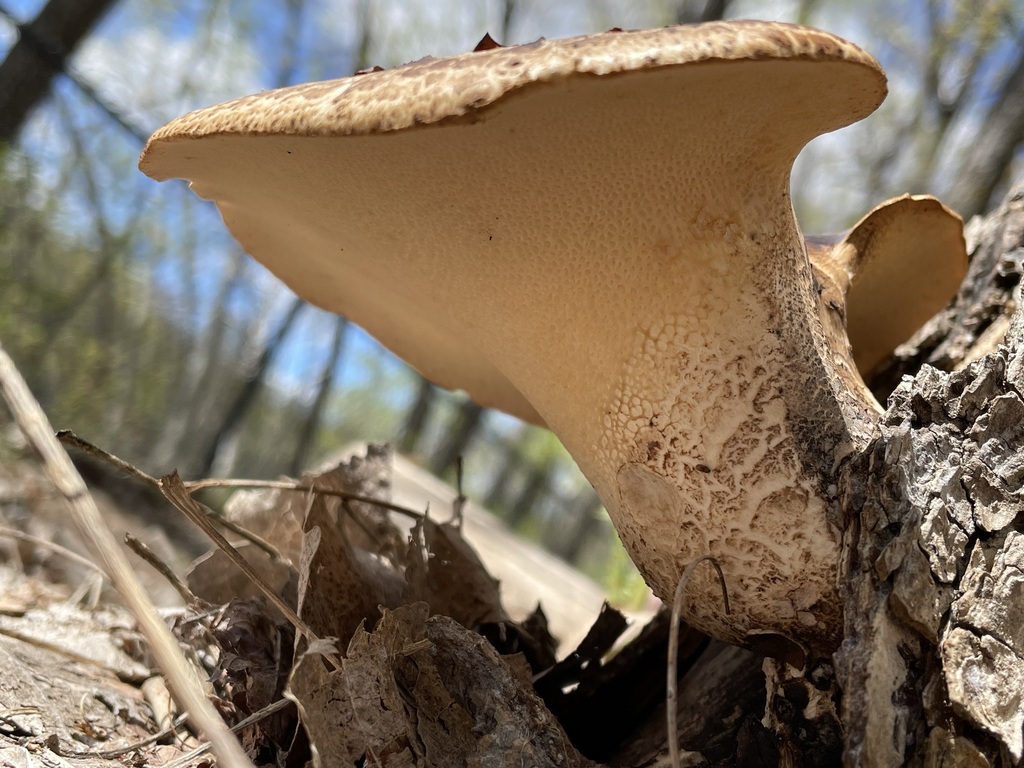
Study field marksCerioporus squamosus
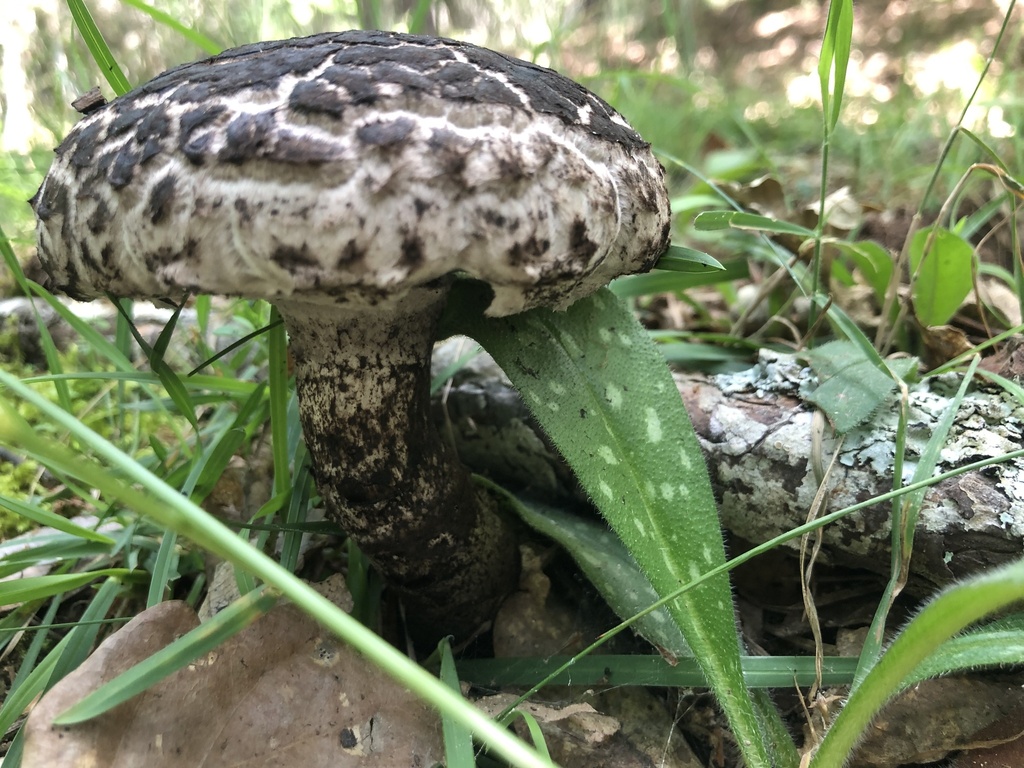
A large spring polypore with feathery brown scales, big angular pores, and a fresh watermelon-rind smell.
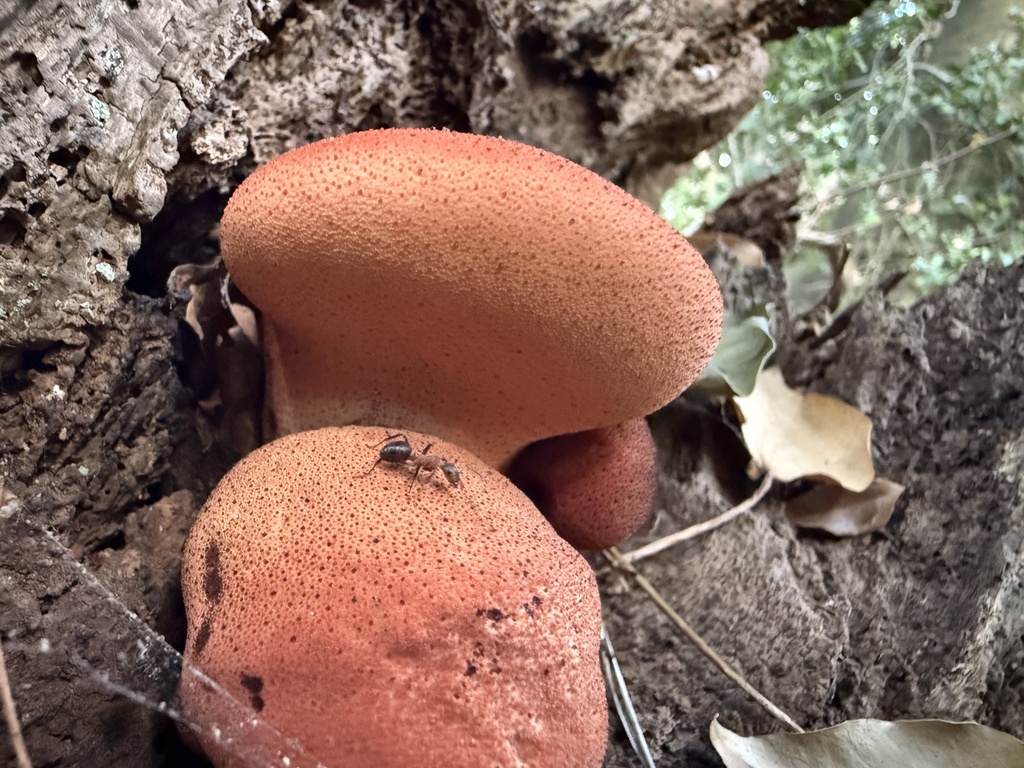
Study field marksFistulina hepatica
A red, tongue-shaped bracket on oak and chestnut whose marbled flesh oozes red juice like raw meat.
Study field marksLactarius rubidus
A small orange-brown Pacific coast milk cap with watery latex and a maple-syrup aroma that intensifies when dried.
Study field marksCantharellus formosus
The common golden chanterelle of the Pacific Northwest, with blunt, forked false gills and a pinkish tone.
Study field marksCantharellus cinnabarinus
A small, brilliant red-pink chanterelle of eastern North American hardwood forests.
Study field marksCraterellus tubaeformis
A slender brown-capped chanterelle relative with a hollow yellow stem and gray forked ridges, fruiting late into winter.
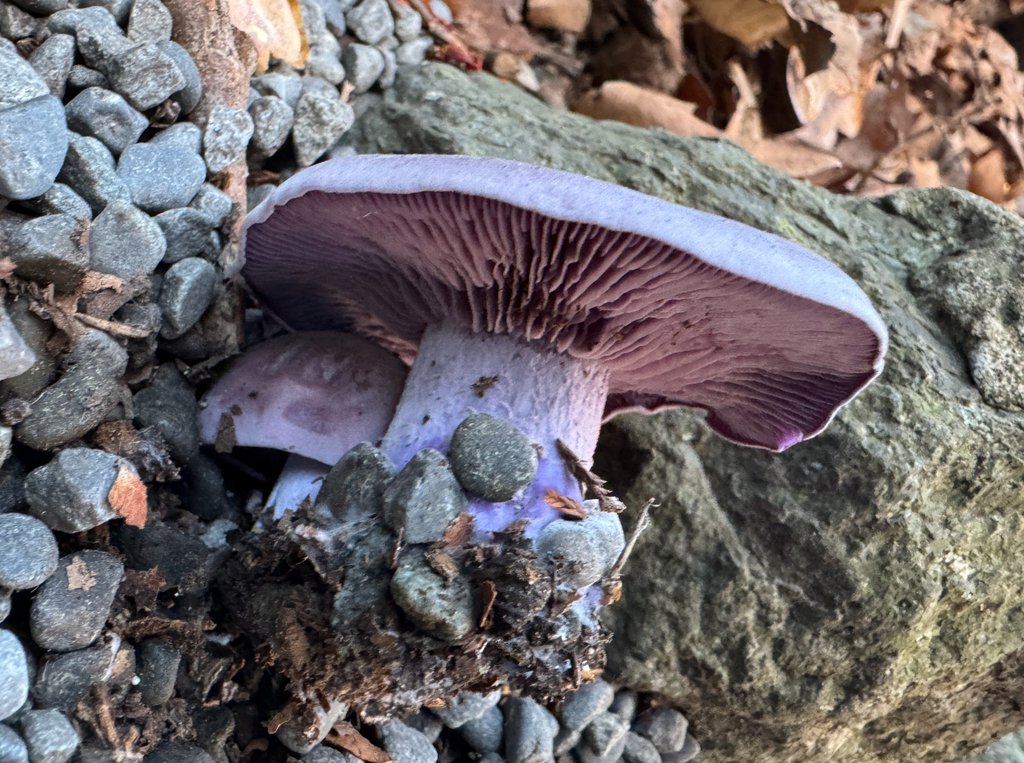
Study field marksCollybia nuda
A lilac-violet mushroom of autumn leaf litter and compost with a fruity smell and a pinkish-buff spore print.
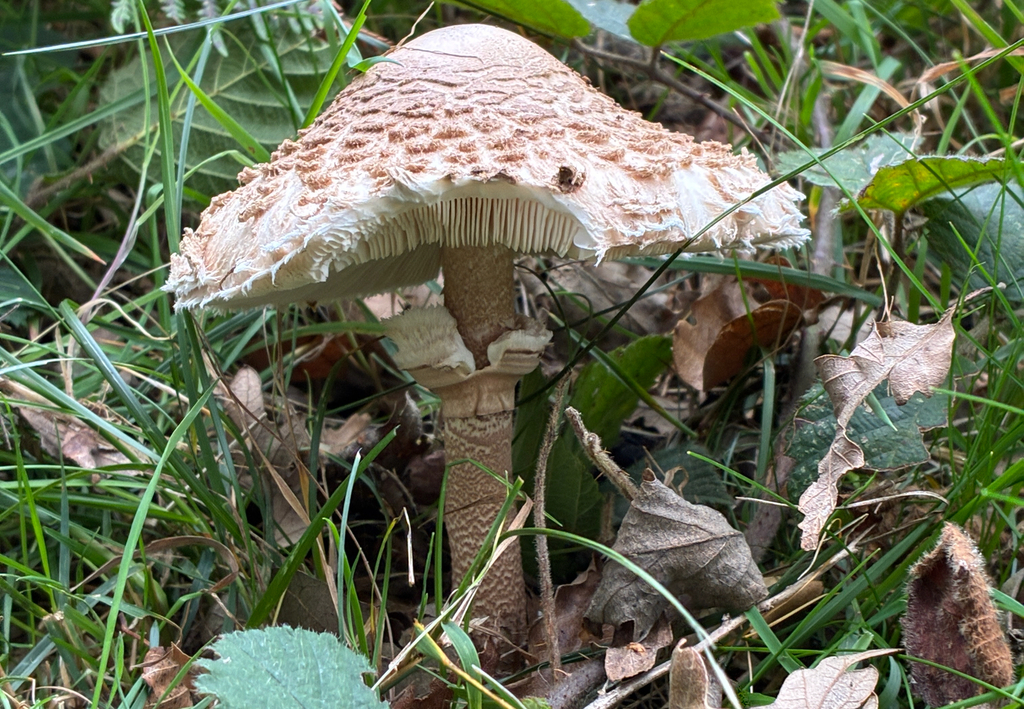
Study field marksMacrolepiota procera
A towering meadow mushroom with a scaly brown cap up to 30 cm, a snakeskin-patterned stem, and a movable double ring.
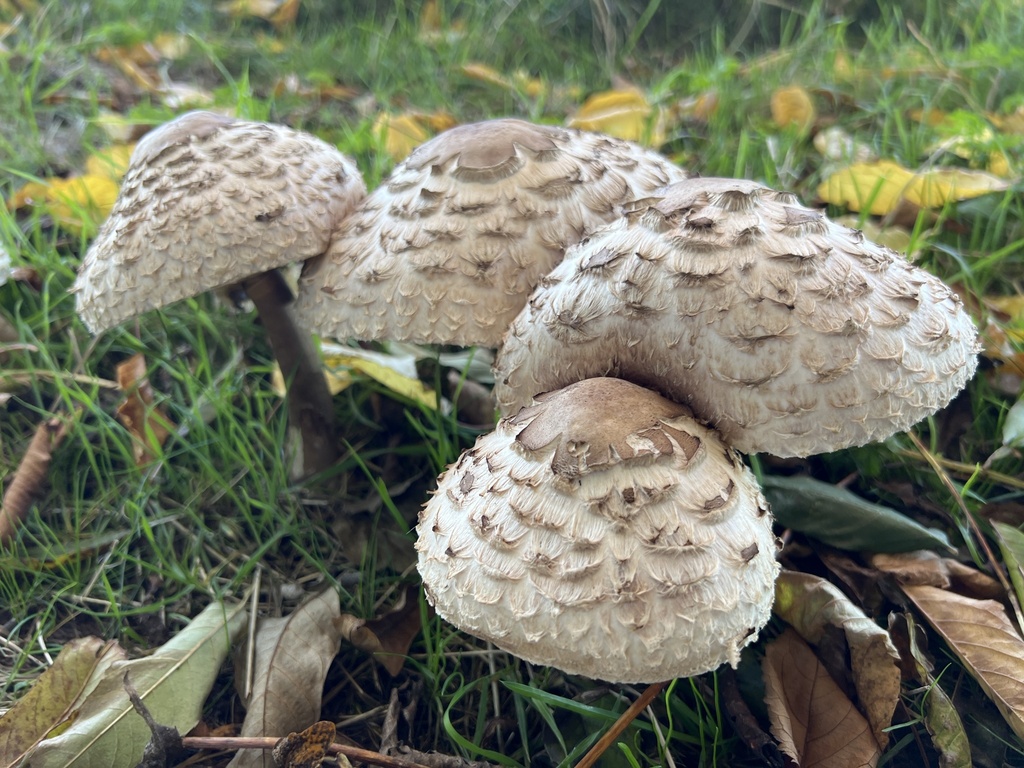
Study field marksChlorophyllum rhacodes
A shaggy-scaled parasol of conifer litter and compost whose cut flesh stains saffron then reddish brown.
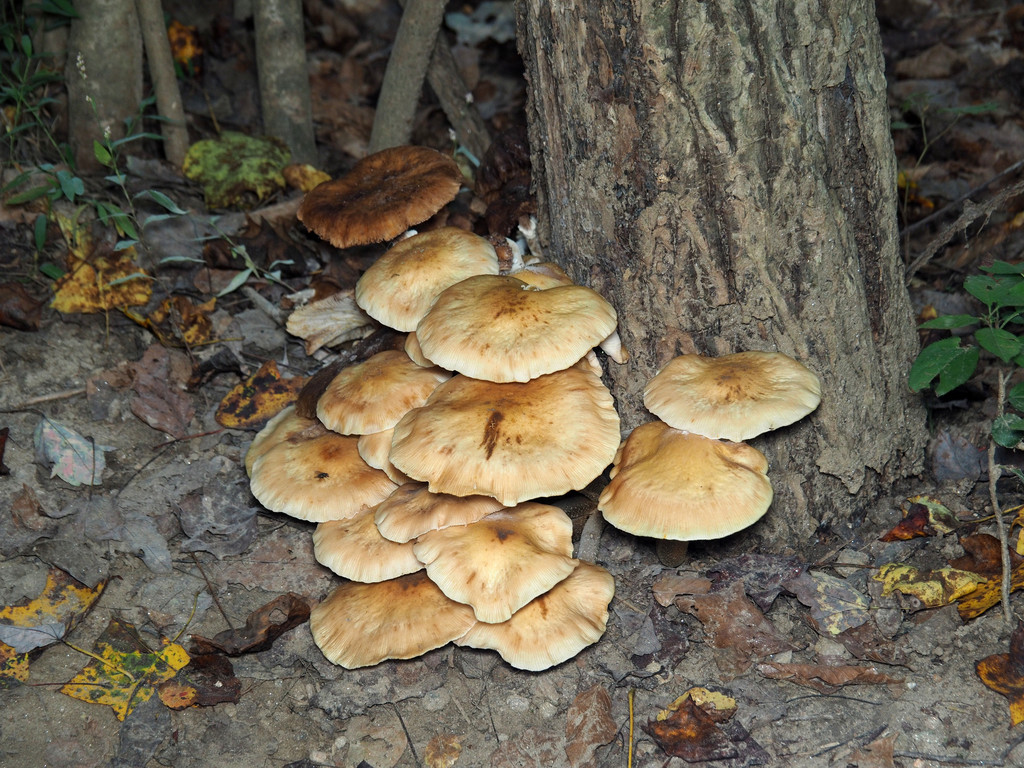
Study field marksArmillaria mellea
Dense clusters of honey-colored caps on wood and roots, linked by black bootlace strands under bark.
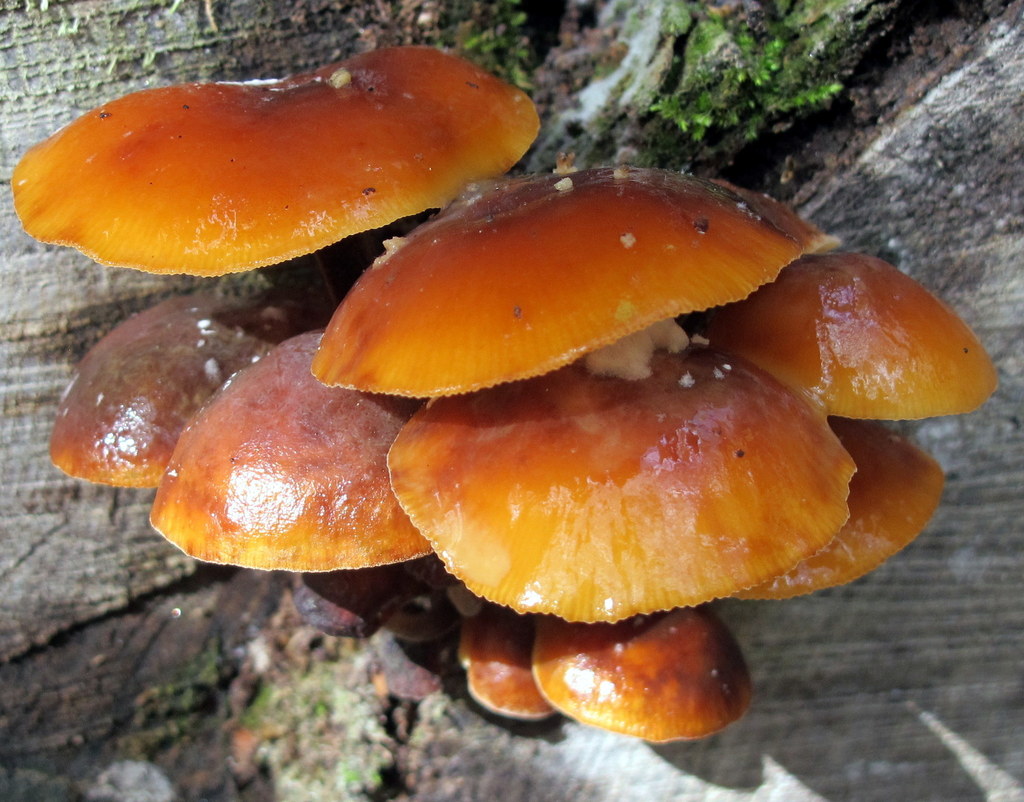
Study field marksFlammulina velutipes
A cold-season cluster of sticky orange-brown caps on dead hardwood, with a velvety dark stem.
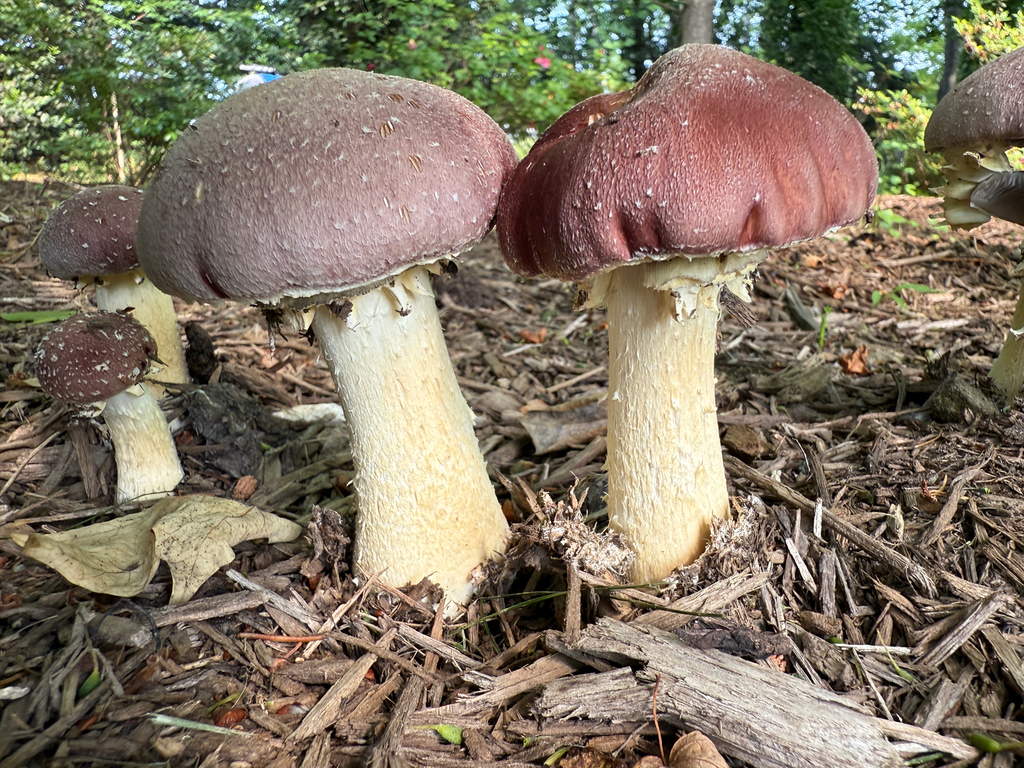
Study field marksStropharia rugosoannulata
A large burgundy mushroom of wood chips and gardens with a ridged cogwheel ring and purple-black gills.
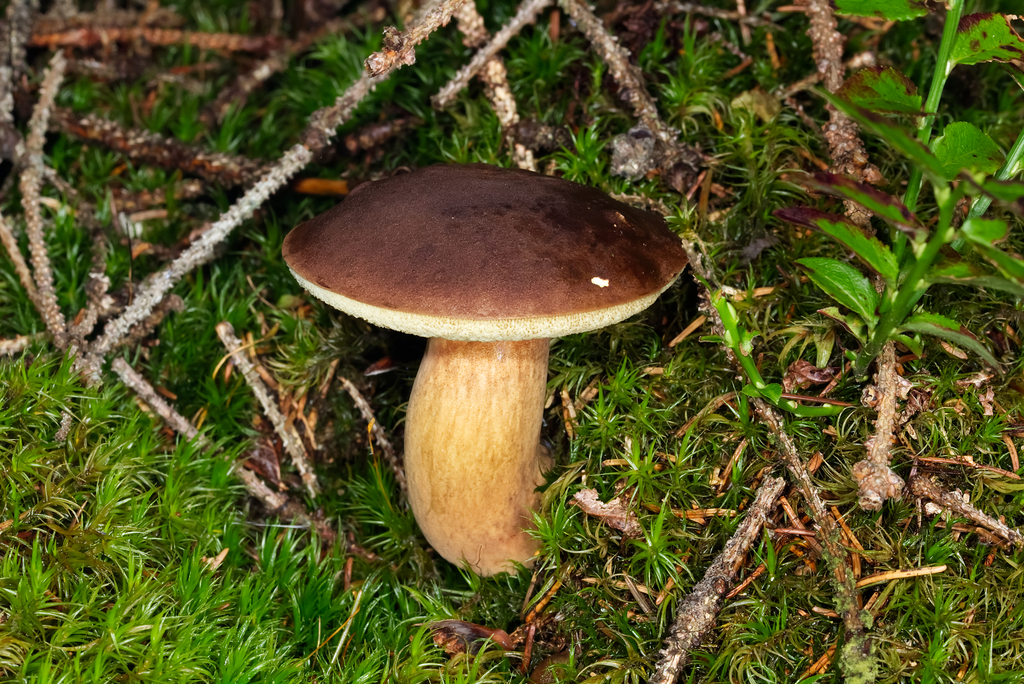
Study field marksImleria badia
A chestnut-brown bolete of conifer woods whose cream pores bruise blue when pressed.
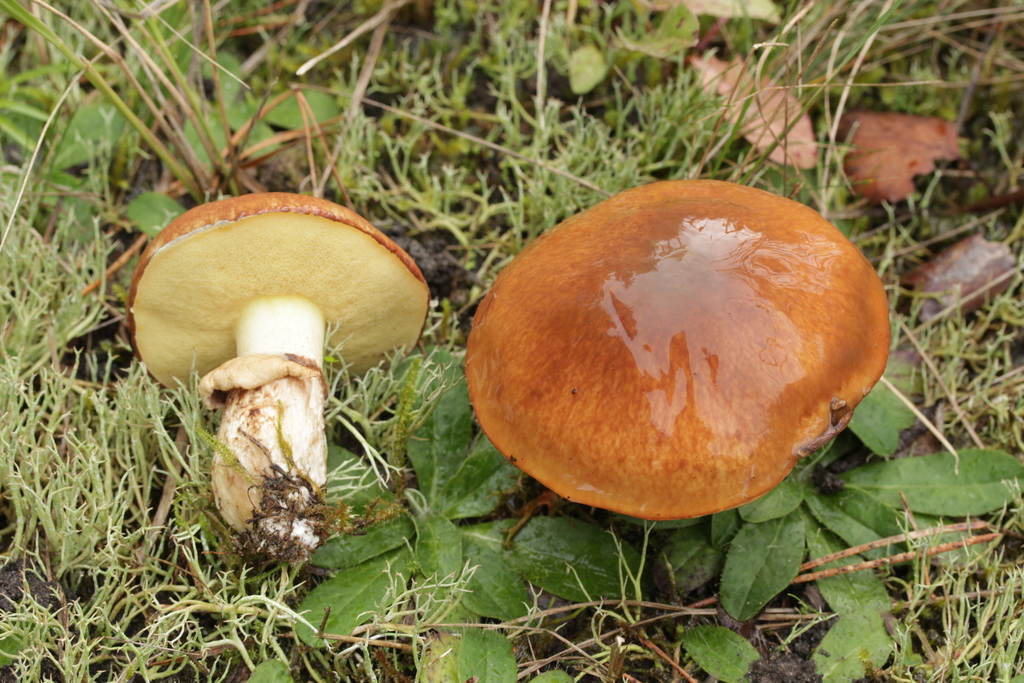
Study field marksSuillus luteus
A slimy brown pine bolete with a prominent purplish ring, now common in pine plantations worldwide.
Study field marksStrobilomyces strobilaceus
A shaggy gray-and-black bolete that looks like a pine cone, with gray pores bruising red then black.
Study field marksBoletus pinophilus
A porcini with a wine-red to mahogany cap, found under pines and spruce across Europe.
Study field marksBoletus reticulatus
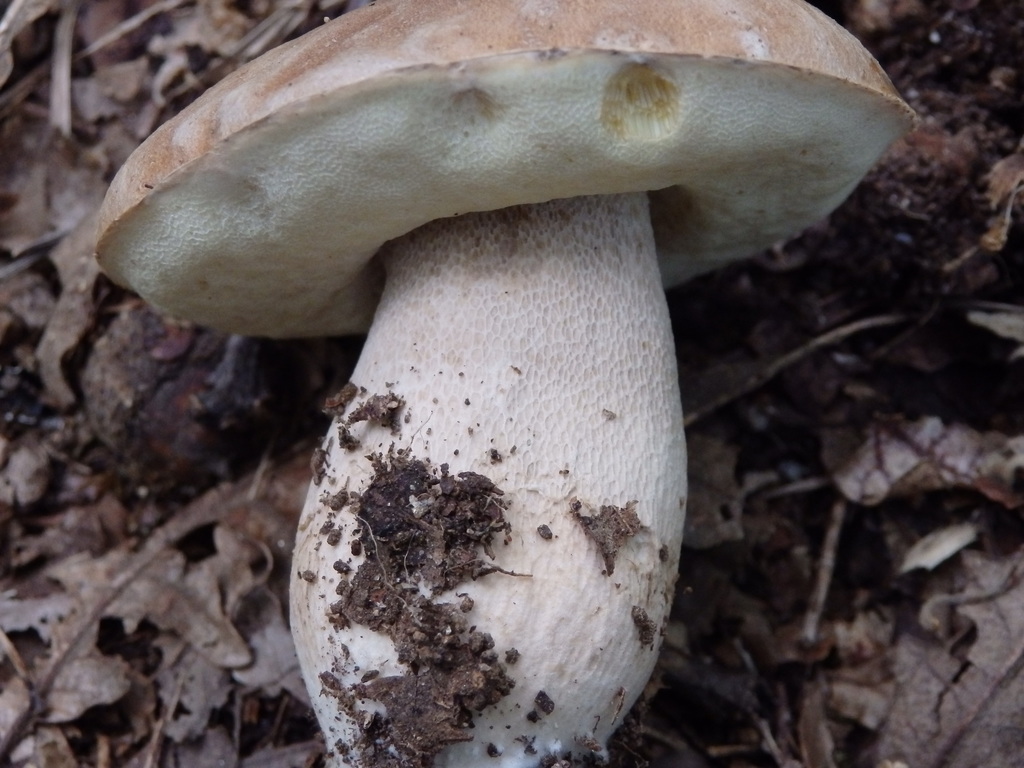
An early porcini with a pale, often cracked brown cap and a fine white net over the entire stem.
Study field marksLeccinum versipelle
A bright orange bolete under birch with a scabrous, black-flecked stem and flesh that darkens when cut.
Study field marksLeccinum scabrum
A common brown-capped bolete of birch with a white stem covered in dark scabers.
Study field marksCalocybe gambosa
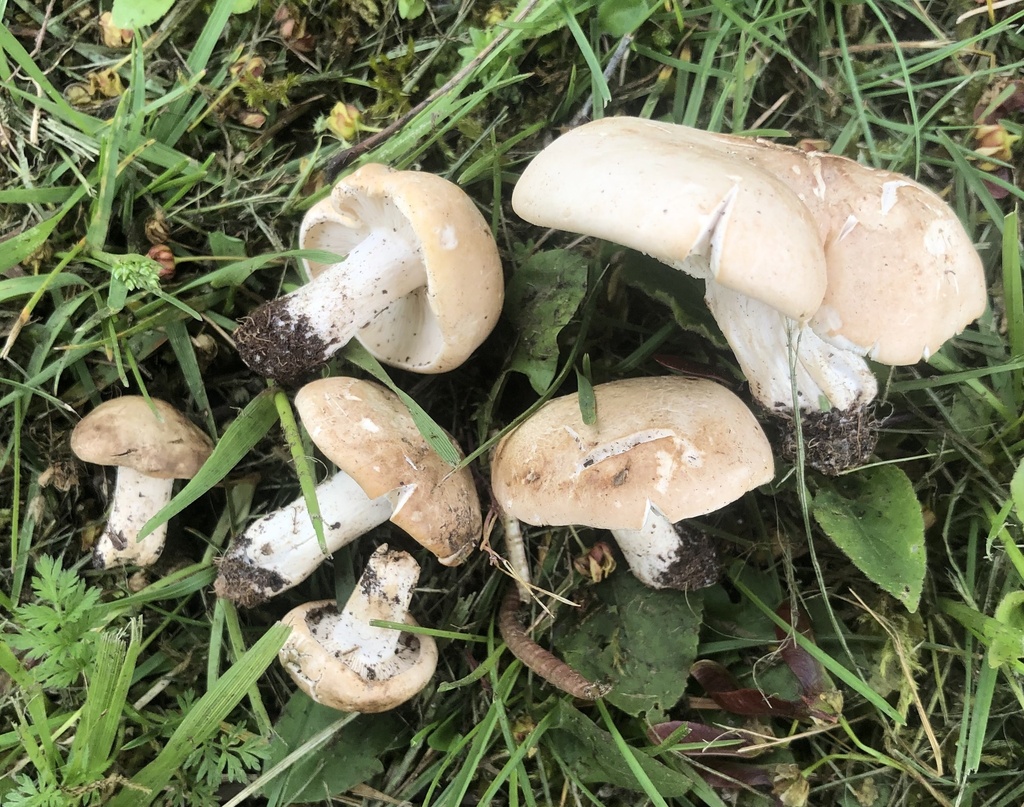
A stocky white spring mushroom of grassland and hedgerows with crowded white gills and a strong mealy smell.
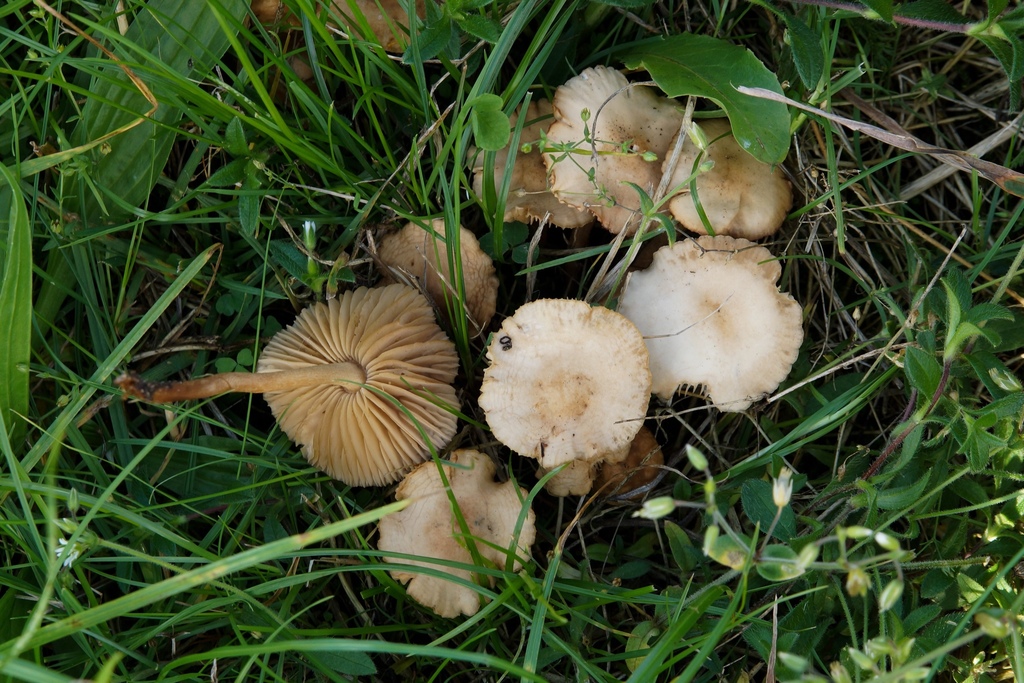
Study field marksMarasmius oreades
A small tan lawn mushroom with widely spaced gills and a tough, bendable stem, growing in rings.
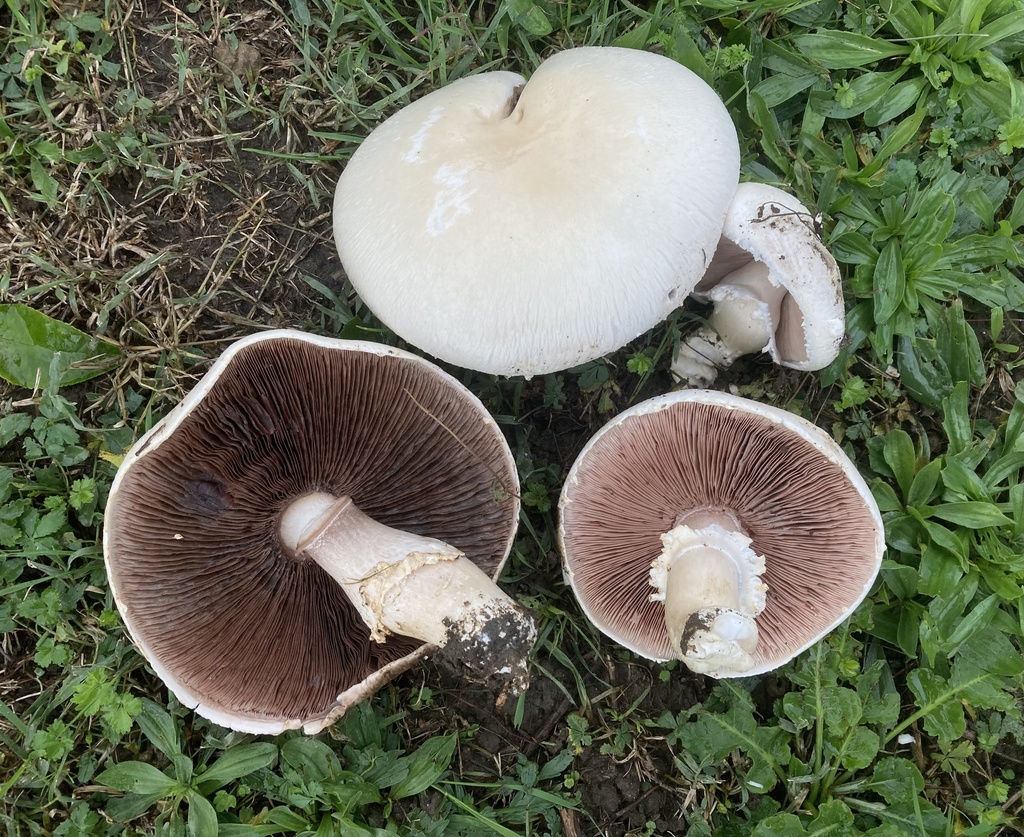
Study field marksAgaricus arvensis
A large white grassland Agaricus with an aniseed smell, a cogwheel ring, and gills maturing to chocolate brown.
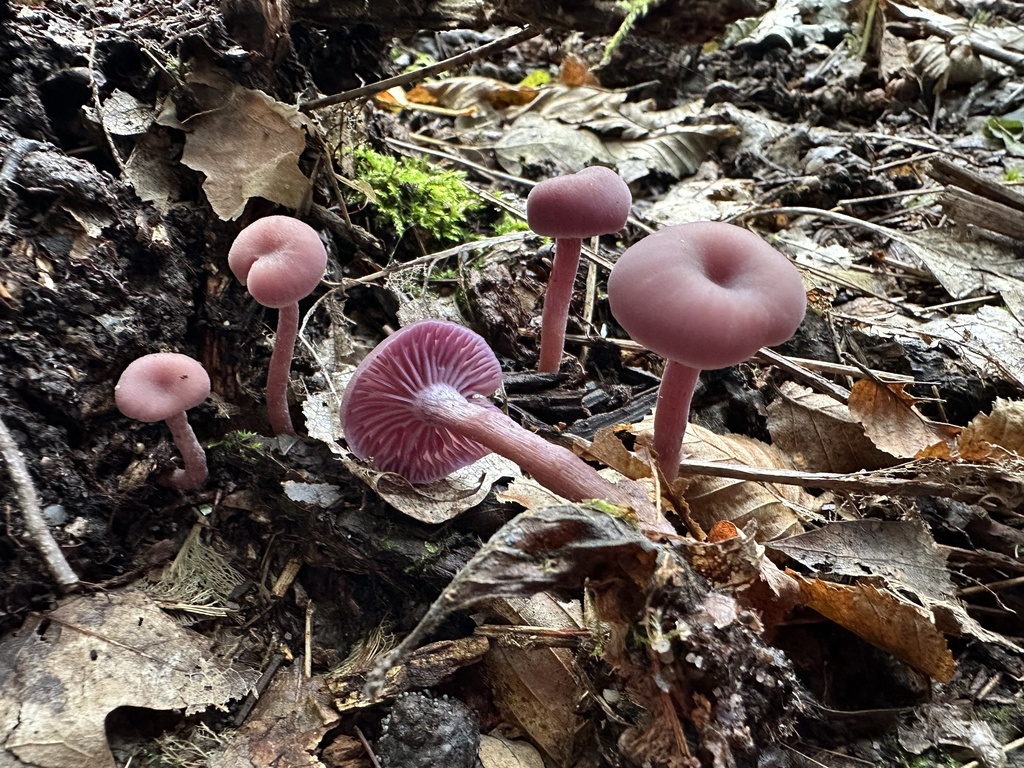
Study field marksLaccaria amethystina
A slender, intensely violet woodland mushroom with thick, widely spaced gills that fades when dry.
Study field marksAmanita rubescens
A reddish-brown Amanita with pale warts whose flesh and bruises turn pinkish red, especially at the stem base.
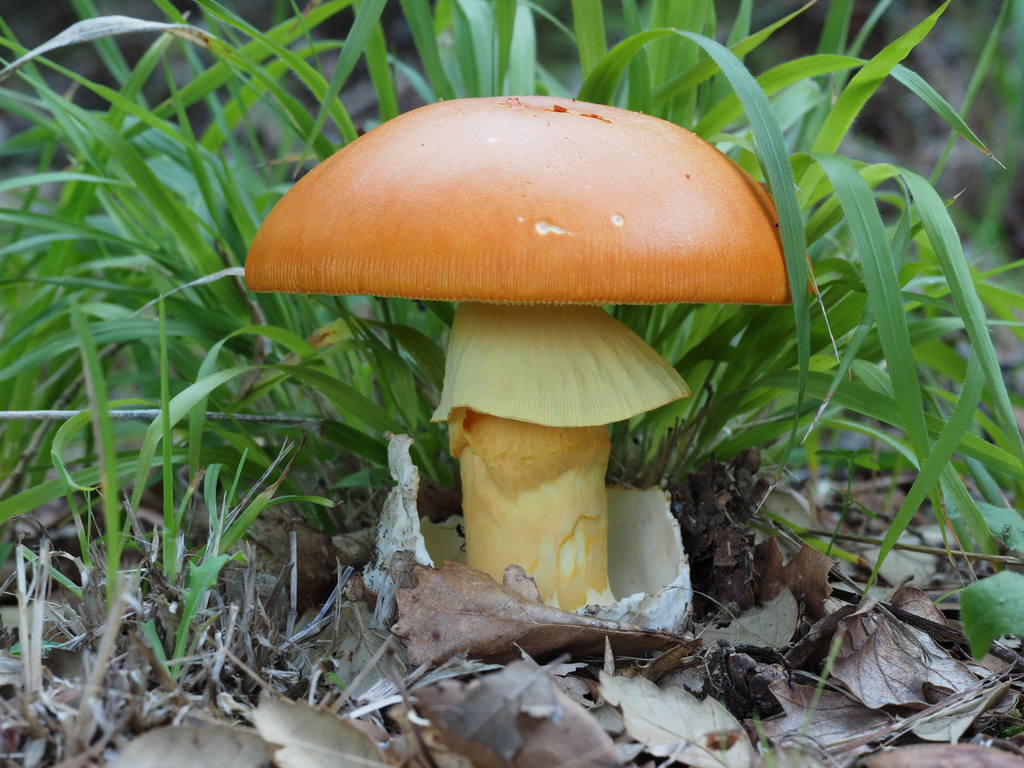
Study field marksAmanita caesarea
A brilliant orange Amanita with yellow gills and a large white sac volva, prized in southern Europe since Roman times.
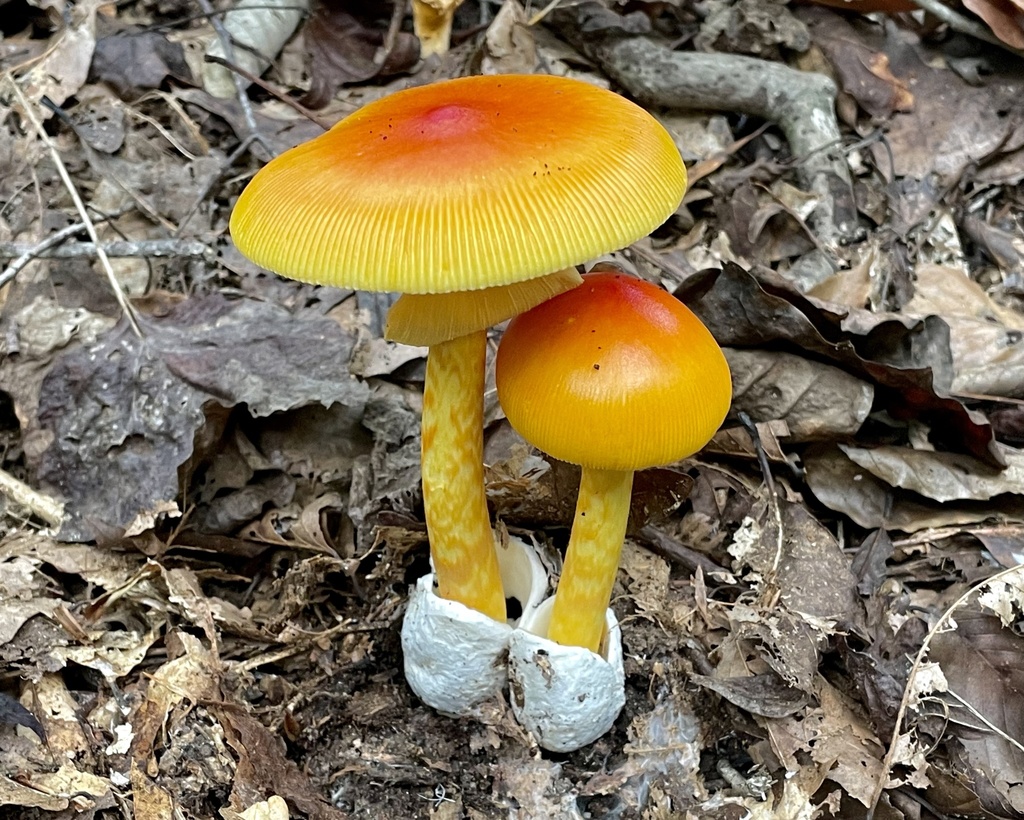
Study field marksAmanita jacksonii
A red-orange Amanita of eastern North America with a striate cap margin, yellow gills, and a white sac volva.
Study field marksRussula cyanoxantha
A variably colored Russula in violet, green, and gray whose gills are flexible rather than brittle.
Study field marksRussula xerampelina
A red to purple-brown Russula that smells of shrimp or crab with age and bruises yellow-brown.
Study field marksLactifluus volemus
An orange-brown milk cap that releases abundant white latex staining brown, with a fishy smell.
Study field marksGomphus clavatus
A purple, club-shaped relative of chanterelles with a wrinkled, veined underside, declining in parts of Europe.
Study field marksHericium coralloides
A white, branching fungus on dead hardwood with rows of short spines hanging from every branch.
Study field marksPleurotus citrinopileatus
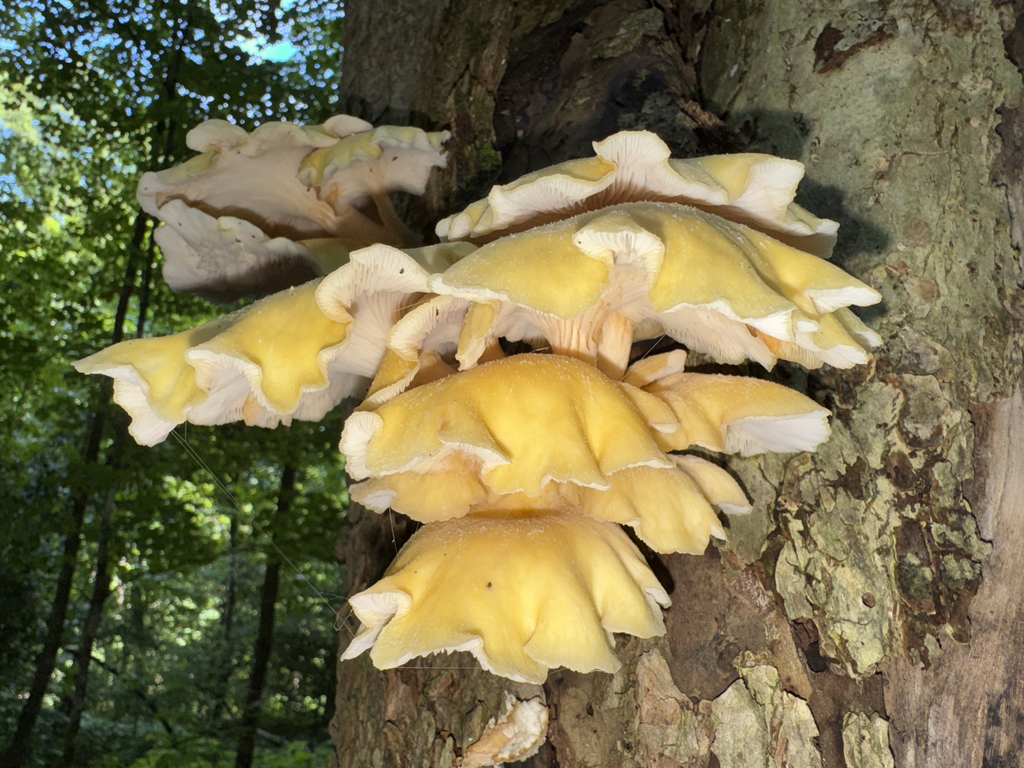
Bright yellow clusters of oyster mushrooms on hardwood; native to East Asia and invasive in North American forests.
Study field marksCoprinellus micaceus
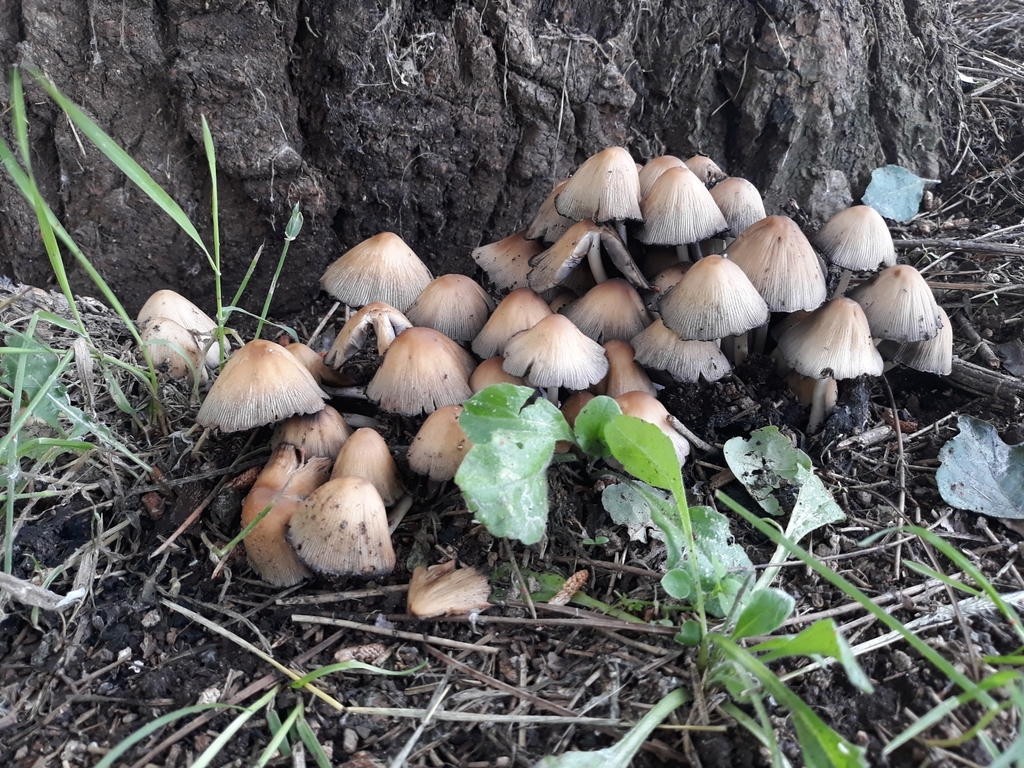
Small tawny bell-shaped caps sprinkled with glittering granules, in dense clusters on wood.
Study field marksEntoloma abortivum
Whitish, lumpy masses beside gray gilled Entoloma mushrooms, formed where Entoloma and honey mushrooms interact.
Study field marksKuehneromyces mutabilis
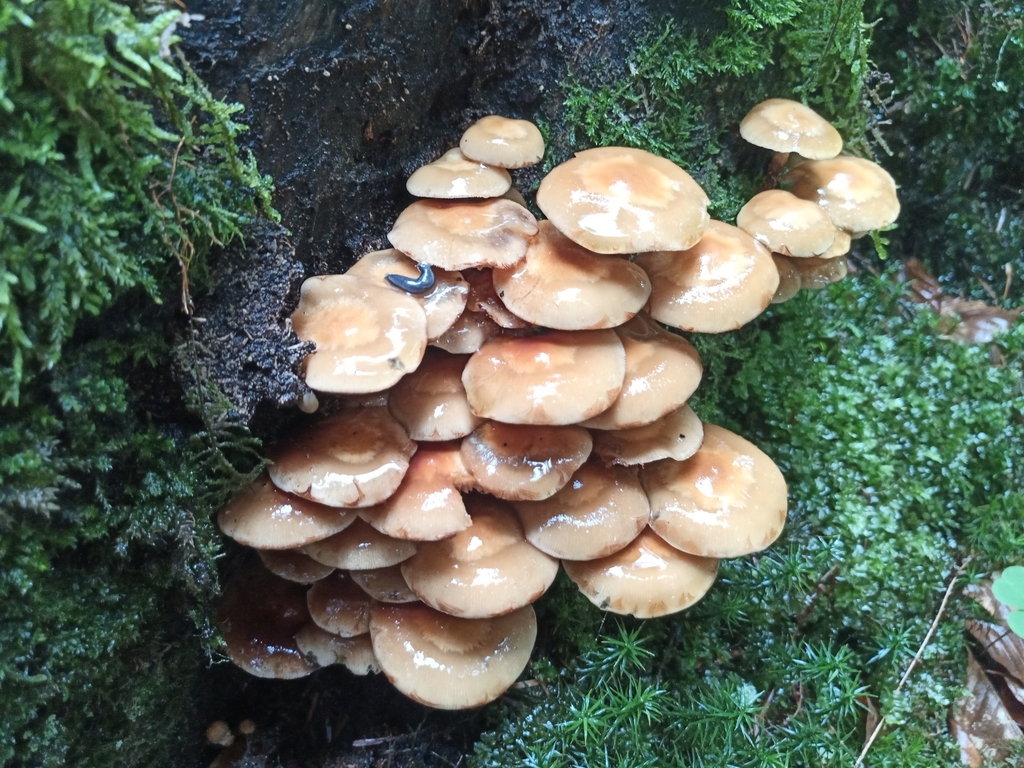
A clustered brown mushroom on stumps with two-toned drying caps and a scaly stem below the ring.
Study field marksTricholoma matsutake
A prized, spicy-smelling mushroom of red pine forests in East Asia and northern Europe with a sheathing ring.
Study field marksCyttaria hariotii
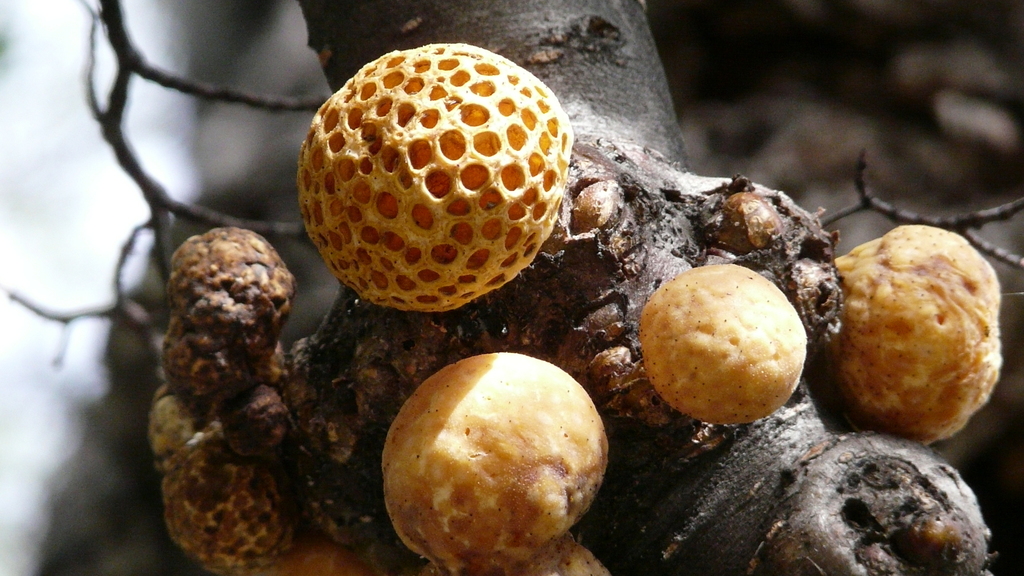
Golden, pitted balls that grow from galls on southern beech branches in Patagonia.
Study field marksPluteus cervinus
A brown-capped mushroom on dead wood with free white gills that turn pink and a pink spore print.
Study field marksArtomyces pyxidatus
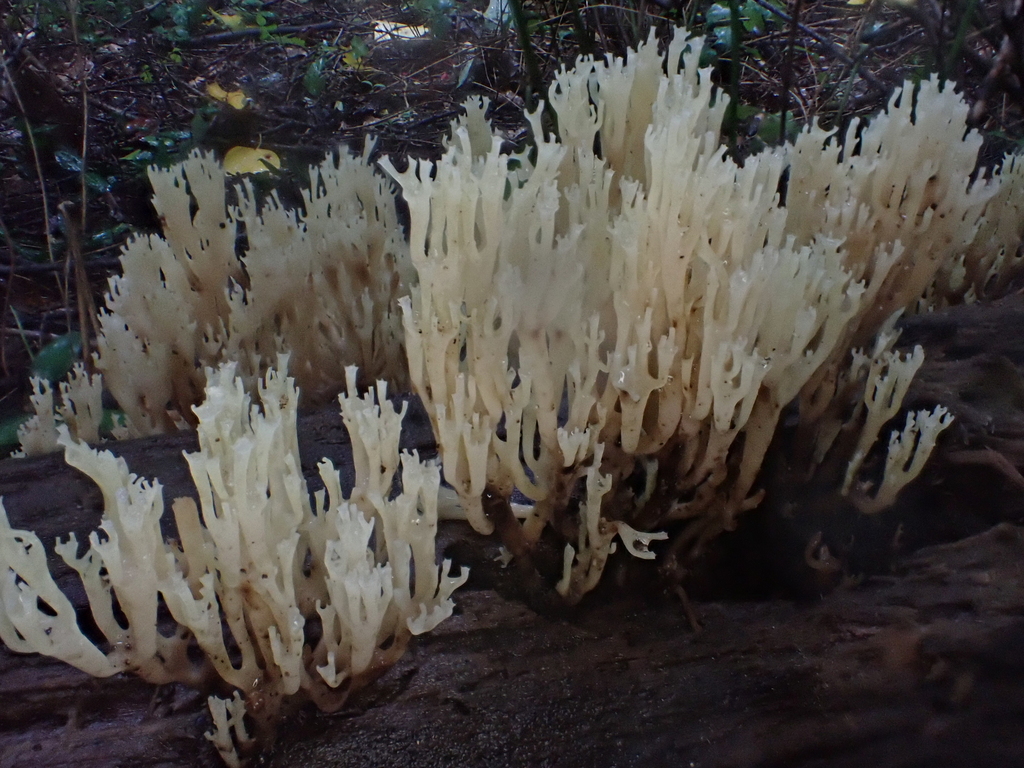
A candelabra-like coral fungus on rotting hardwood, each branch ending in a small crown of points.
Study field marksAmanita pantherina
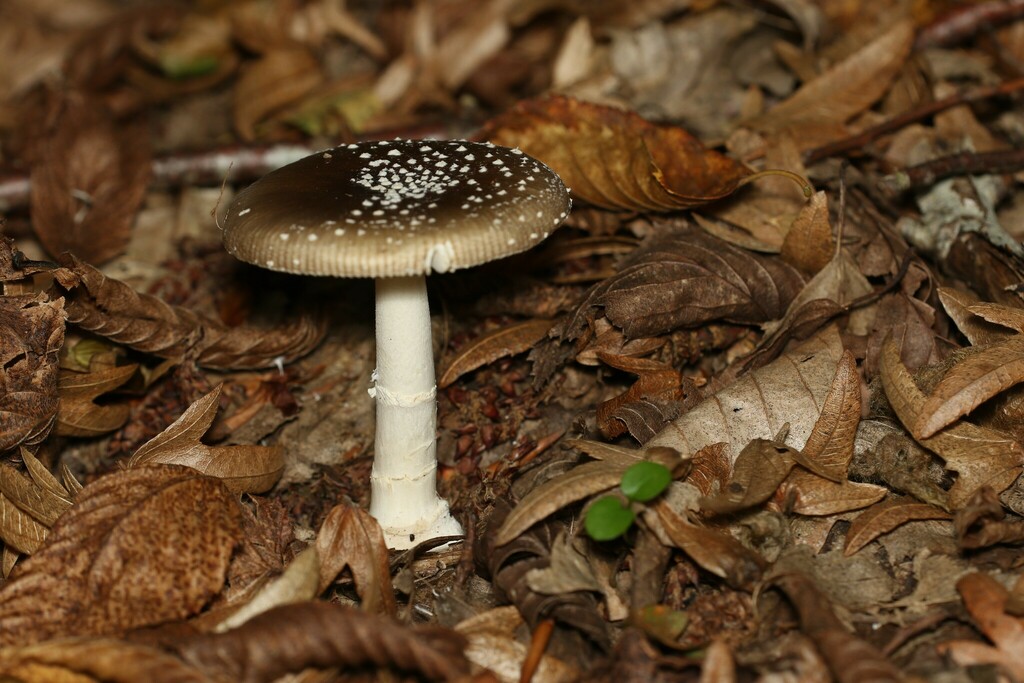
A brown Amanita with pure white warts, a striate margin, and a rimmed bulb, more toxic than the fly agaric.
Study field marksAmanita virosa
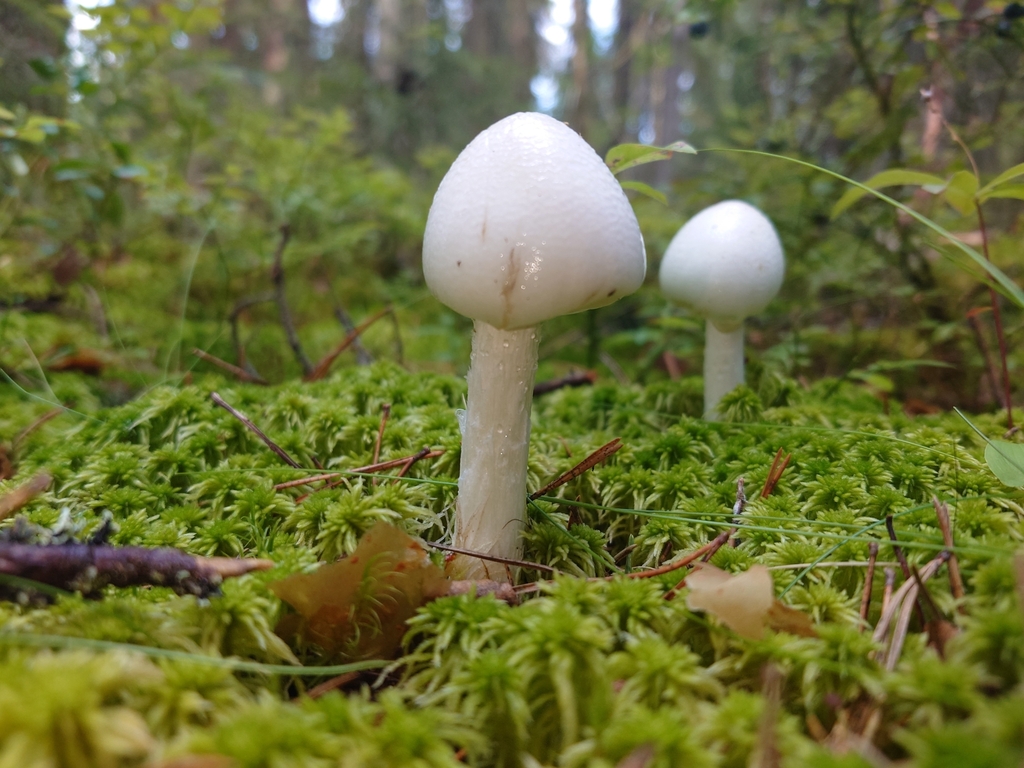
A pure white, deadly Amanita of northern European woods with a shaggy stem and a large sac-like volva.
Study field marksAmanita ocreata
A white, deadly Amanita of California and the Pacific coast that fruits in late winter and spring under oaks.
Study field marksAmanita smithiana
A shaggy white Amanita of Pacific Northwest conifer forests that causes delayed kidney failure.
Study field marksAmanita citrina
A pale lemon to white Amanita with a large rimmed bulb and a raw-potato smell, easily confused with the death cap.
Study field marksHypholoma fasciculare
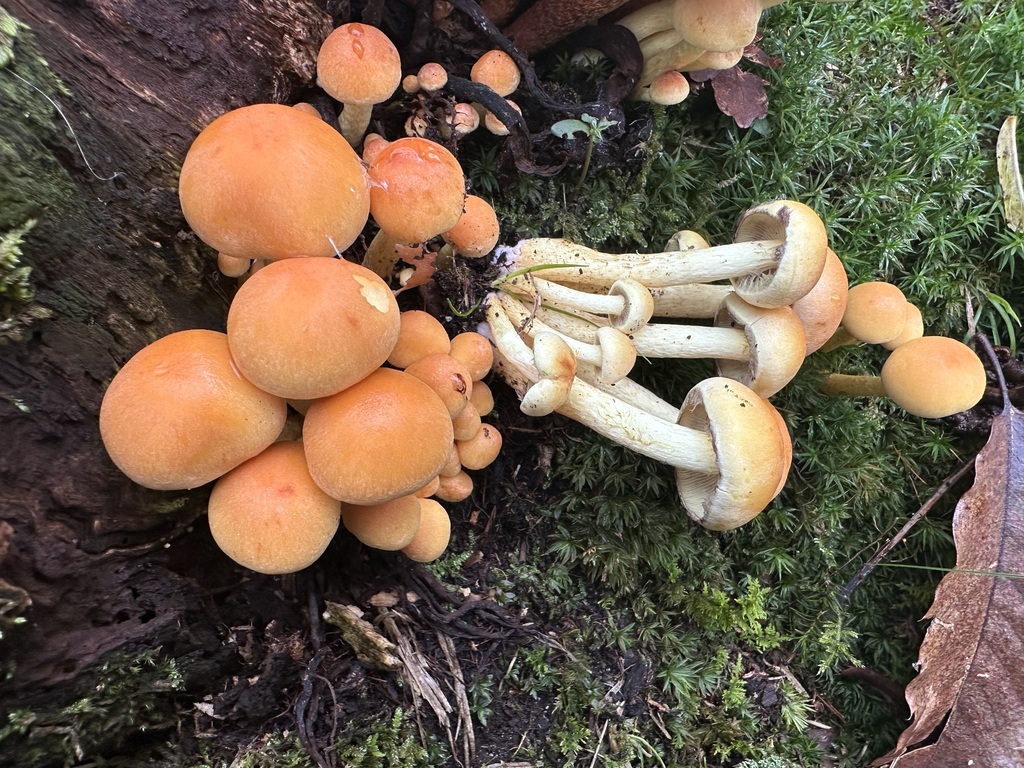
Dense clusters of sulphur-yellow caps with greenish gills on stumps, bitter tasting and poisonous.
Study field marksCollybia rivulosa
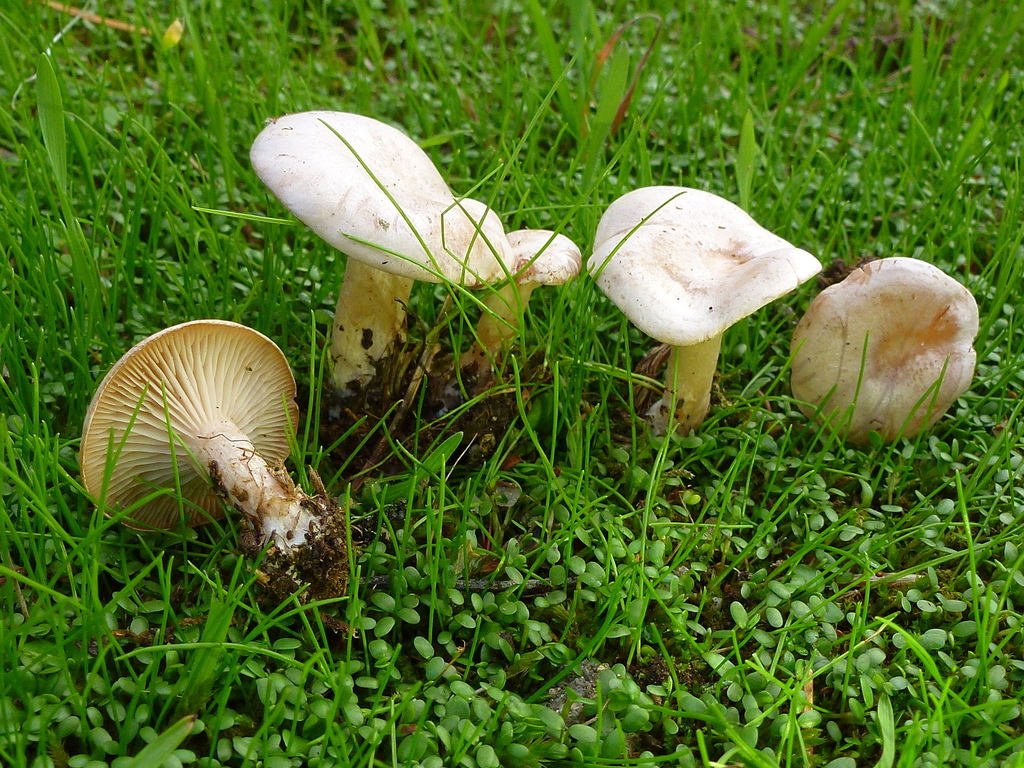
A small, frosty-white lawn mushroom with decurrent gills that contains muscarine and grows beside fairy rings.
Study field marksCortinarius rubellus
An orange-brown webcap of wet conifer forests containing orellanine, which causes delayed kidney failure.
Study field marksCortinarius orellanus
A tawny-orange webcap of European broadleaf woods whose toxin, orellanine, destroys the kidneys.
Study field marksPaxillus involutus
A brown mushroom with a strongly inrolled rim and soft gills that bruise brown, once eaten but now known to be dangerous.
Study field marksRubroboletus satanas
A stout pale-capped bolete with red pores and a red-netted stem, found on chalky soils under oak and beech.
Study field marksTylopilus felleus
A king-bolete lookalike with pinkish pores, a dark net on the stem, and a taste so bitter it ruins a meal.
Study field marksRussula emetica
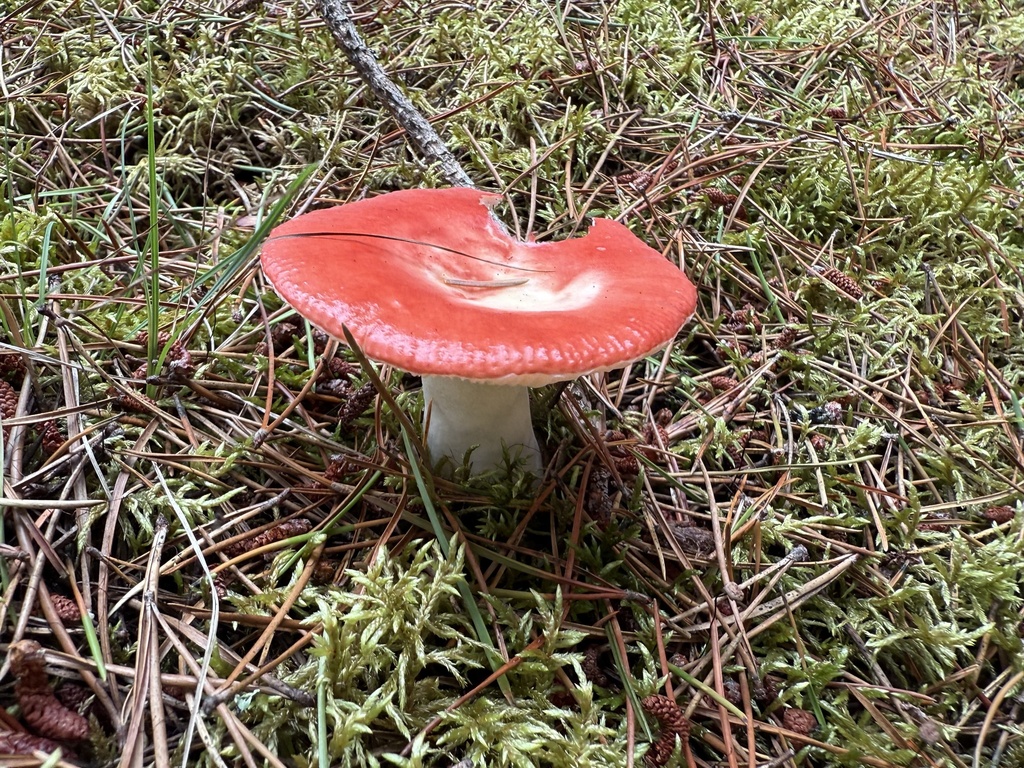
A scarlet Russula of wet conifer woods with pure white gills and a burning, acrid taste.
Study field marksLactarius torminosus
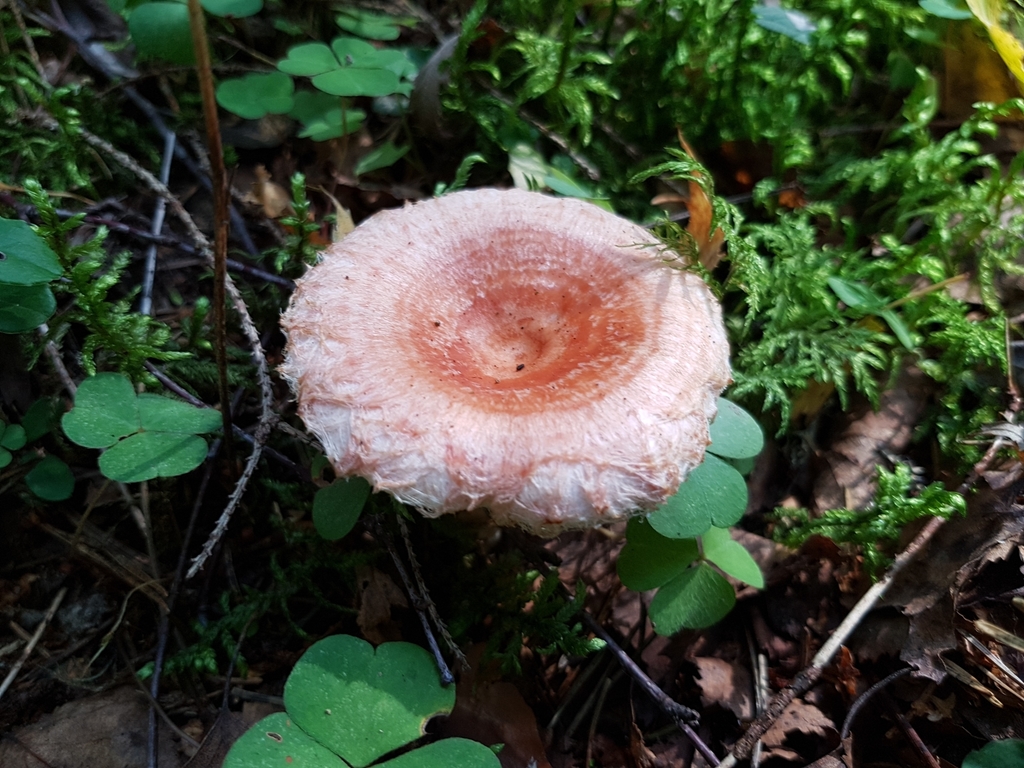
A pinkish, zoned milk cap with a woolly, bearded margin and acrid white latex, found with birch.
Study field marksAgaricus xanthodermus
A white Agaricus that instantly stains chrome yellow when scratched, especially at the cut stem base, and smells of ink.
Study field marksHygrophoropsis aurantiaca
An orange mushroom with thin, crowded, repeatedly forked true gills, often mistaken for a chanterelle.
Study field marksOmphalotus nidiformis
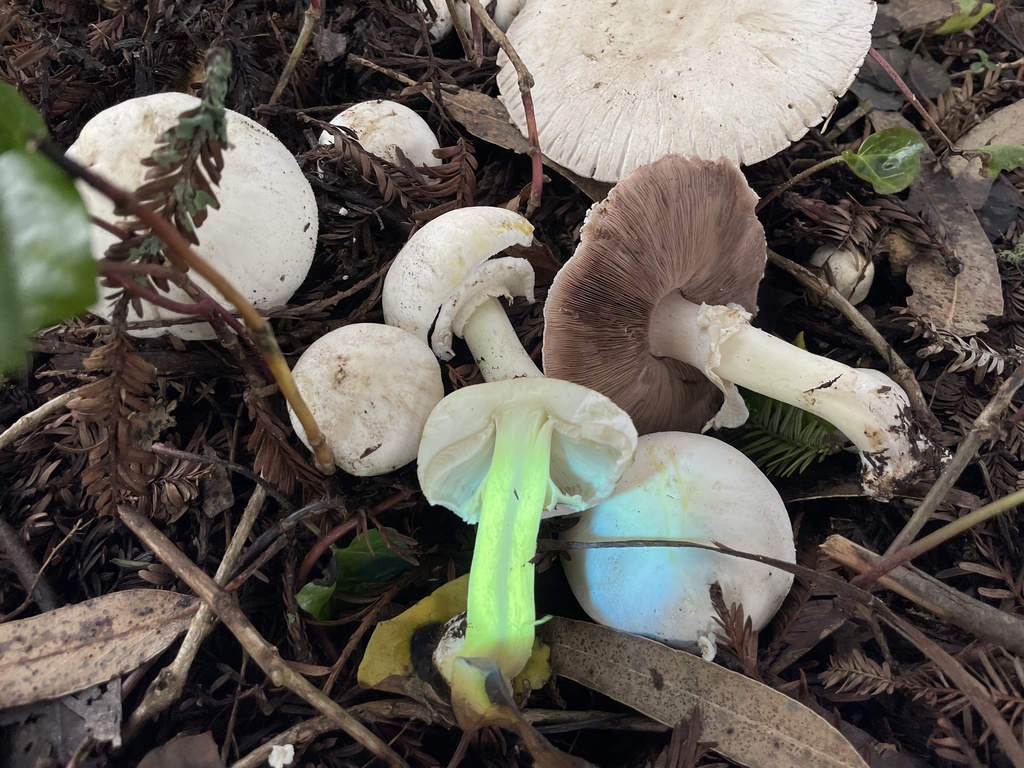
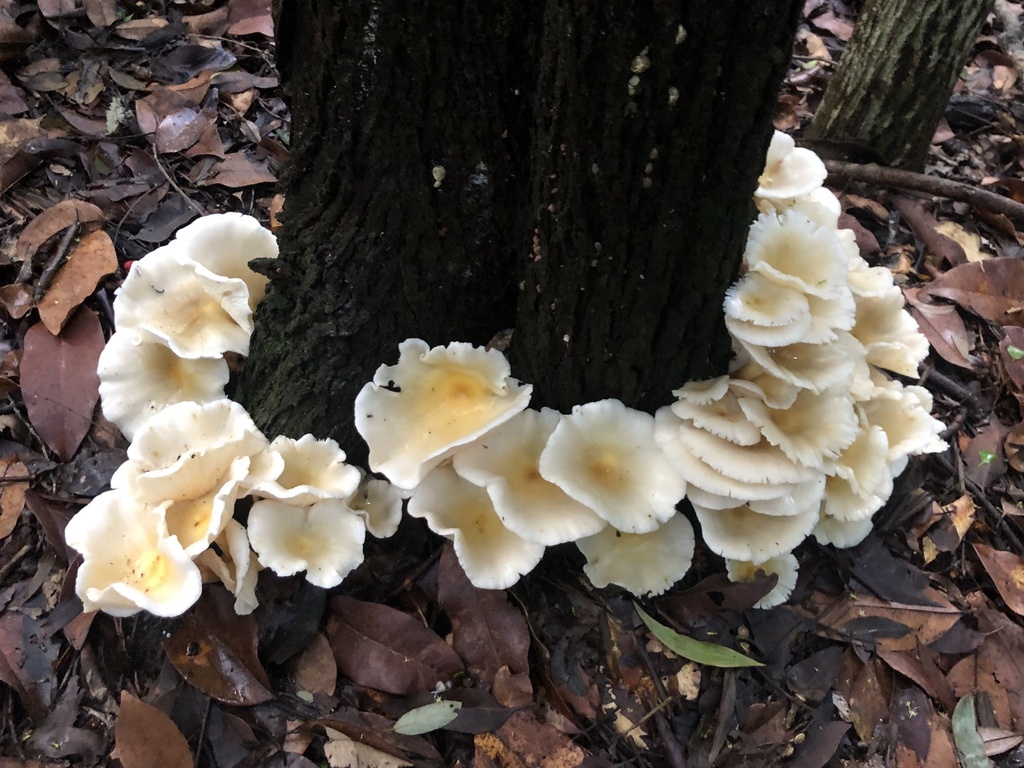
A creamy, fan-shaped Australian mushroom that glows green in the dark and causes vomiting when eaten.
Study field marksLepiota cristata
A small white Lepiota with a brown center and concentric scales, a fragile ring, and a rubbery chemical smell.
Study field marksInosperma erubescens
A cream fibrous-capped spring mushroom that reddens with age and has caused fatal muscarine poisoning.
Study field marksPholiotina rugosa
A small brown lawn and mulch mushroom with a movable ring and rusty spores that contains deadly amatoxins.
Study field marksEntoloma sinuatum
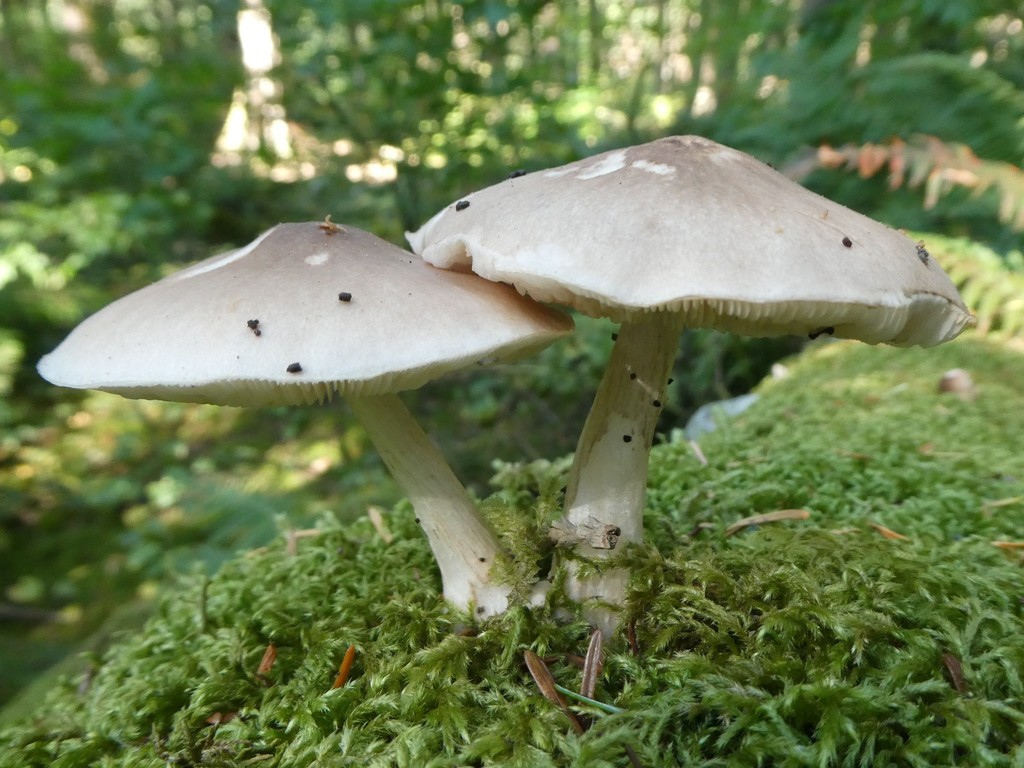
A large pale gray-buff mushroom with yellowish gills that turn pink, a mealy smell, and a pink spore print.
Study field marksTricholoma equestre
A yellow knight mushroom of sandy pine forests once widely eaten, now linked to fatal muscle breakdown.
Study field marksVerpa bohemica
An early-spring morel lookalike whose wrinkled cap hangs free from the top of a cotton-filled stem.
Study field marksHelvella crispa
A pale, saddle-shaped cup fungus on a deeply furrowed, chambered stem, toxic raw.
Study field marksPleurocybella porrigens
Thin, pure white, ear-shaped caps on rotting conifer wood, once eaten and now linked to fatal brain illness.
Study field marksGanoderma applanatum
A large, woody, perennial bracket with a dull crusty top and a white pore surface that bruises brown when scratched.
Study field marksFomitopsis betulina
A smooth, pale, kidney-shaped bracket that grows only on birch, carried by Ötzi the Iceman 5,300 years ago.
Study field marksFomes fomentarius
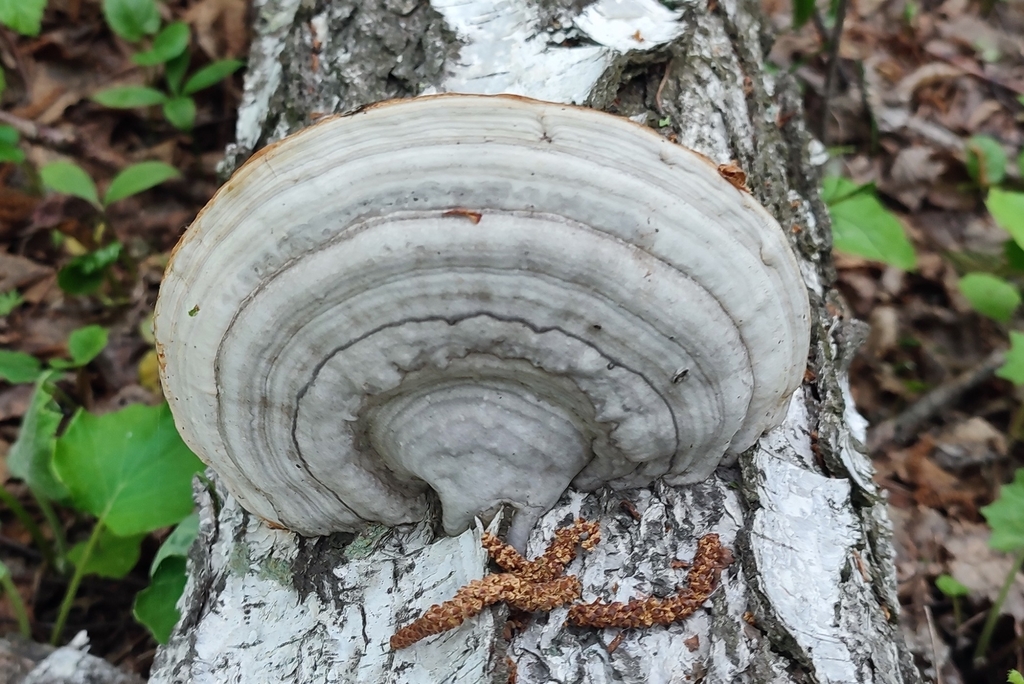
A gray, hoof-shaped perennial bracket on birch and beech, used for millennia to carry fire.
Study field marksSarcoscypha coccinea
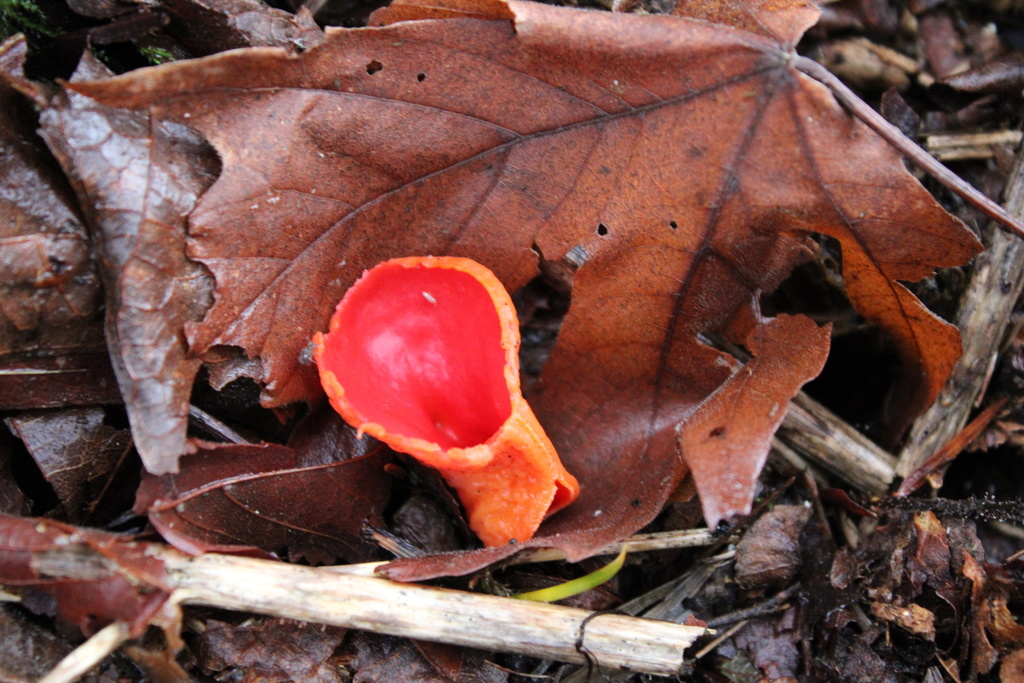
A brilliant scarlet cup fungus on mossy fallen sticks in winter and early spring.
Study field marksAleuria aurantia
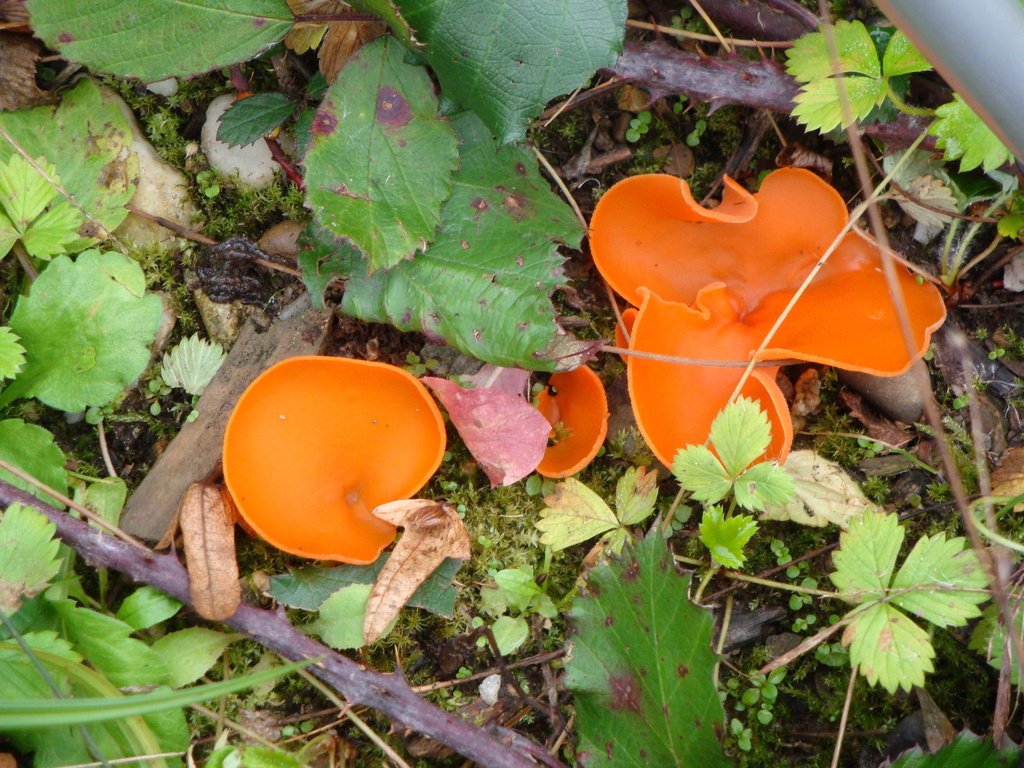
A bright orange cup fungus on bare, disturbed soil that looks like discarded orange peel.
Study field marksPhallus impudicus
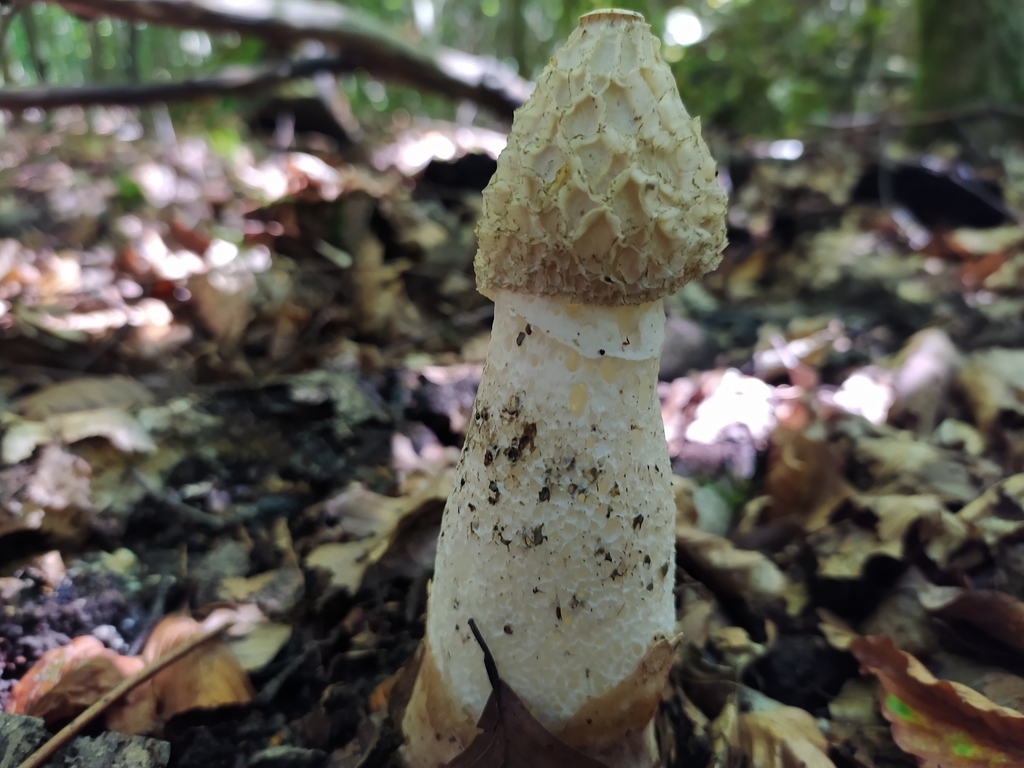
A white spongy stalk topped with foul-smelling olive slime that hatches from a buried egg and attracts flies.
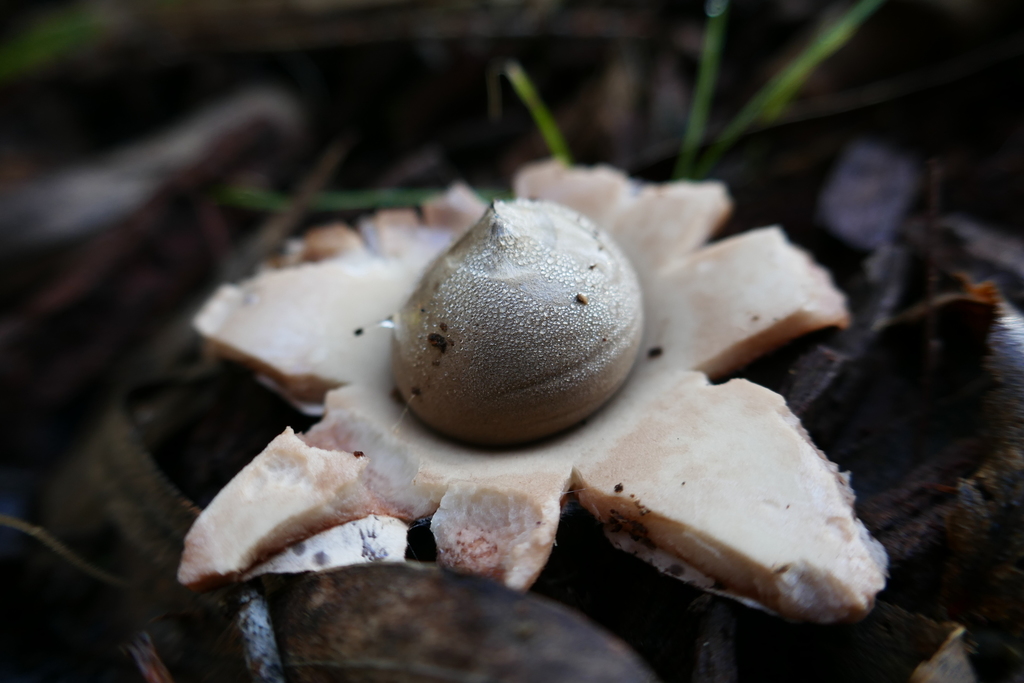
Study field marksGeastrum triplex
A puffball whose outer skin splits into star-shaped rays, often with a saucer-like collar under the spore sac.
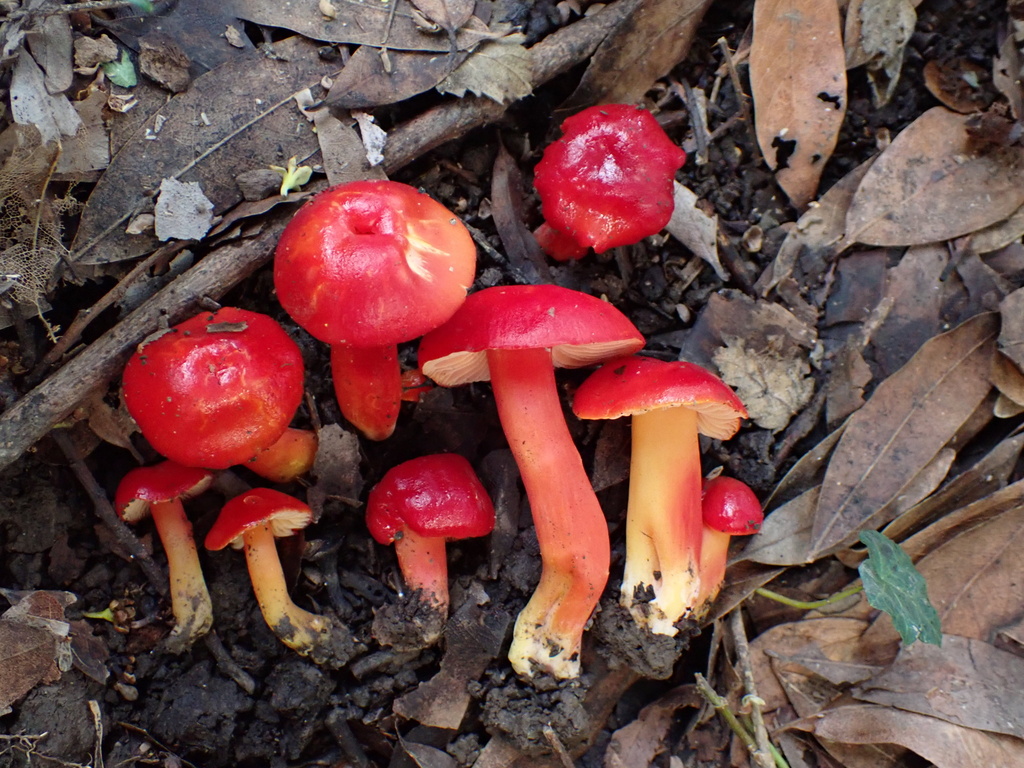
Study field marksHygrocybe coccinea
A brilliant scarlet waxcap of old, unfertilized grasslands, where it signals valuable habitat.
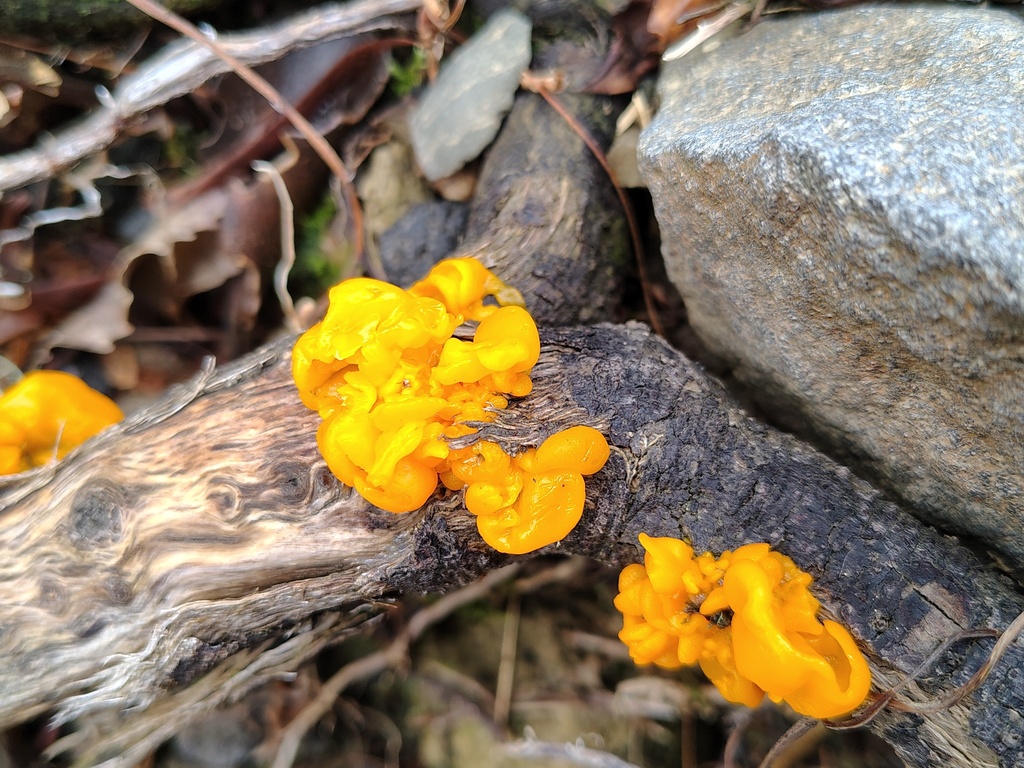
Study field marksTremella mesenterica
A bright yellow, lobed jelly fungus on dead hardwood branches in cool, wet weather.
Study field marksConfirm cap, underside, stem, base, interior, spore print, substrate, and habitat. Use multiple reputable sources and a qualified local expert before considering consumption.
Start with observation, local teaching, and a small study collection before considering food use.
Read the guideMushroom seasons vary by species, habitat and climate; dated observations help plan visits but do not predict a harvest.
Read the guideIdentify the exact plant, relevant part and growth stage, then check local permissions and safety before considering gathering.
Read the guideShape the next release
Vote without an account. Your browser gets one anonymous vote, and you can change it whenever another species matters more.