Other nettles
Related nettles differ in leaf arrangement and range. Use a local botanical key.
Use the botanical sourceUrtica dioica
Also found as Common nettle
A colony-forming perennial of rich, damp ground; its young shoots have a documented cooked-food use.
Sources checked 9 September 2026 · Specialist field review pending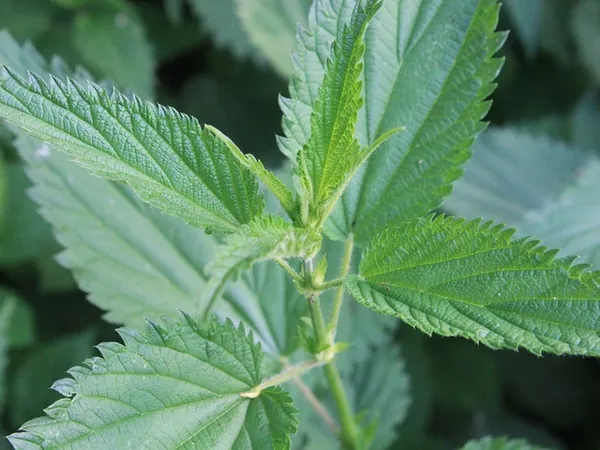
A sting is not an identification test. Do not eat raw stinging foliage.
Where it grows
| January | 1318 |
|---|---|
| February | 1888 |
| March | 5556 |
| April | 28587 |
| May | 23999 |
| June | 20301 |
| July | 18052 |
| August | 14518 |
| September | 10462 |
| October | 7129 |
| November | 3622 |
| December | 1585 |
Research-grade iNaturalist records, snapshot Aug 27, 2026. The growing zone combines areas where different people have repeatedly verified it. Records show where people looked and found it, not current abundance or permission to gather.
01 / Learn to see
Opposite, sharply toothed leaves with pointed tips.
Stinging hairs on leaves and stems; observe without touching.
Small greenish flowers in clusters at leaf joints.
These are study prompts, not a complete identification key. Confirm the full plant with a regional flora and an experienced local identifier.
02 / Resolve the differences
Related nettles differ in leaf arrangement and range. Use a local botanical key.
Use the botanical sourceSelected comparisons only. Other lookalikes may occur locally.
03 / Meet the place
Widespread in temperate areas; the nettle complex includes native and introduced populations. Confirm the local taxon.
Study fresh spring growth and later regrowth; the stage of the shoot matters more than the month.
Stage guidance is not a local forecast. Check your climate, elevation and a regional source; no month-shift formula is used here.
04 / Gather with care
Parts discussed: Young shoots · Leaf
Handle with gloves and tongs. Cook identified young shoots; cooking removes the sting.
Leave flowering stems and most of the patch for insects. Clip scattered shoots without uprooting.
Preparation & storage essentials05 / A named folk-herbal lens
European folk herbalism · contemporary lunar gardening
Boundary, vitality, and the strength that protects tenderness.
Before cutting, notice where the patch makes its own boundary. Ask what a respectful distance looks like today.
Name the preparation before gathering; take only the tender amount you can process promptly.
This optional spiritual lens does not establish identity, edibility, dosage, lawful access, or medical safety. Follow a teaching more deeply through its named people and lineage rather than treating it as universal.
Open Ways of Gathering06 / Follow the evidence
Checked 9 September 2026. Original editorial synthesis; source institutions have not reviewed or endorsed this guide. Independent botanical field review is pending. Photos illustrate specimens; they do not certify the identity of a plant you find.
Suggest a correction