Pennyroyal
Toxic · do not eatAromatic foliage and flower whorls occur in both. Use a full regional key.
Mentha canadensis
Also found as Wild mint · Field mint
An aromatic wet-ground mint that needs species-level checking before any kitchen use.
Sources checked 9 September 2026 · Specialist field review pending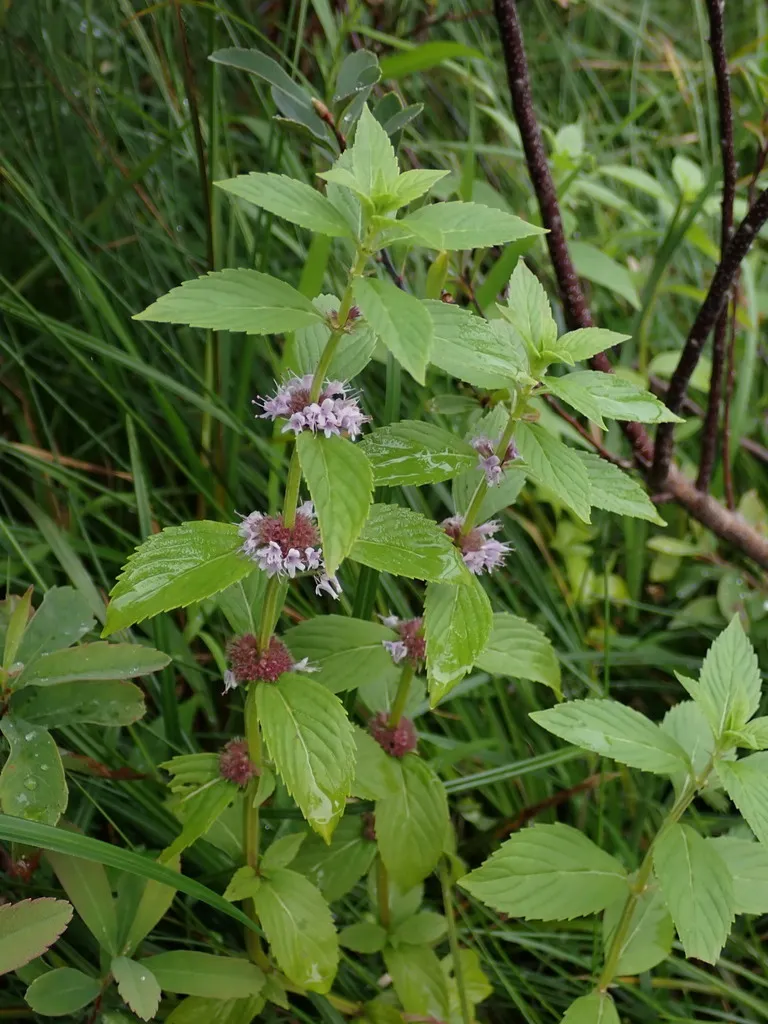
Pennyroyal is also a mint and is harmful if eaten. Hybrids complicate identification.
Where it grows
| January | 5 |
|---|---|
| February | 2 |
| March | 5 |
| April | 4 |
| May | 41 |
| June | 179 |
| July | 2122 |
| August | 2763 |
| September | 970 |
| October | 169 |
| November | 13 |
| December | 1 |
Research-grade iNaturalist records, snapshot Aug 27, 2026. The growing zone combines areas where different people have repeatedly verified it. Records show where people looked and found it, not current abundance or permission to gather.
01 / Learn to see
Opposite, toothed leaves on square stems.
Separated flower whorls at leaf joints, mostly subtended by normal leaves.
Mint scent supports a botanical key; it cannot replace one.
These are study prompts, not a complete identification key. Confirm the full plant with a regional flora and an experienced local identifier.
02 / Resolve the differences
Aromatic foliage and flower whorls occur in both. Use a full regional key.
Spearmint has more crowded terminal flower spikes with reduced bracts.
Use the botanical sourceSelected comparisons only. Other lookalikes may occur locally.
03 / Meet the place
North American populations are described by Go Botany; related Asian and European mint names need local verification.
Study flowering shoots during active growth. Avoid deciding among mints from young leaves alone.
Stage guidance is not a local forecast. Check your climate, elevation and a regional source; no month-shift formula is used here.
04 / Gather with care
Parts discussed: Leaf
Confirm the local species with an experienced botanist before using a wild mint as a tea or flavoring.
Protect soft stream banks; grow a correctly named culinary mint when identification is uncertain.
Preparation & storage essentials05 / A named folk-herbal lens
Western herbal practice · contemporary lunar gardening
Clarity, refreshment, and alert presence.
Attend first to water, bank, and neighboring plants. Let the health of the wet place decide whether you cut.
Prepare drying space before harvest so fragrance is not lost to a warm, crowded bundle.
This optional spiritual lens does not establish identity, edibility, dosage, lawful access, or medical safety. Follow a teaching more deeply through its named people and lineage rather than treating it as universal.
Open Ways of Gathering06 / Follow the evidence
Checked 9 September 2026. Original editorial synthesis; source institutions have not reviewed or endorsed this guide. Independent botanical field review is pending. Photos illustrate specimens; they do not certify the identity of a plant you find.
Suggest a correction