The Living Fungi LibraryFungi LibraryMushroom Forage Map
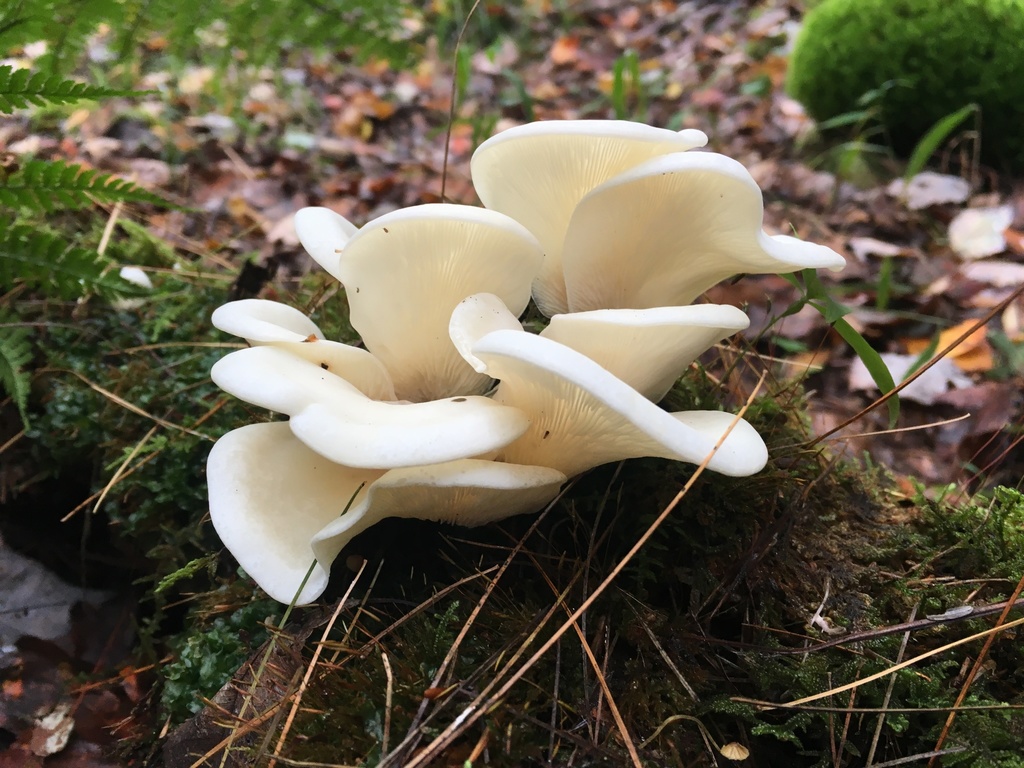
Pure white angel wings fungus on a conifer log
Poisonousintermediate

Angel Wings

Pleurocybella porrigens

Thin, pure white, ear-shaped caps on rotting conifer wood, once eaten and now linked to fatal brain illness.

Photo: Bonnie Isaac, CC0
Compiled by Mushroom Forage Map field deskExpert review pendingContent checked
Toxicity warning

Poisonous. Linked to fatal acute encephalopathy, especially in people with kidney disease.

Season
Late summer to autumn
Habitat
Rotting conifer logs, especially hemlock
Underside
Narrow, crowded white gills
Spore evidence
White

Where it grows

Tracked records and known growing zone

Explore on the field map
Loading map…
Squares: where people recorded it, brighter where more people did
Verified records
1,738
People who recorded it
1,312
Most records (northern hemisphere)
Sep–Oct
Records span
1991–2026

Research-grade iNaturalist records, snapshot Aug 27, 2026. The growing zone combines areas where different people have repeatedly verified it. Records show where people looked and found it, not current abundance or permission to gather.

Observation season

When field records occur

Choose a hemisphere · All recorded years; not a current forecast.

Choose the hemisphere you want to study. Country detection is approximate and some countries span the equator.

Compare before concluding

Lookalikes to rule out

Oysters are thicker, often gray or brown, and grow on hardwood.

Ghost fungus is thicker, glows, and grows in Australia.

Crepidotus

harmless

Crepidotus are small and drop brown spores.

Identification

The caps are thin, pure white, and fan- or ear-shaped, with no stem or only a stub. Gills are narrow and crowded. It grows in overlapping clusters on rotting conifer wood.

Why it matters

Angel wings were eaten in Japan and North America until a 2004 outbreak of acute encephalopathy in Japan killed several people, most with kidney disease. It is no longer considered safe.

Memorable fact

It looks so much like a delicate oyster mushroom that it was widely eaten for generations.

Sources

Back to the fungi library