The Living Fungi LibraryFungi LibraryMushroom Forage Map
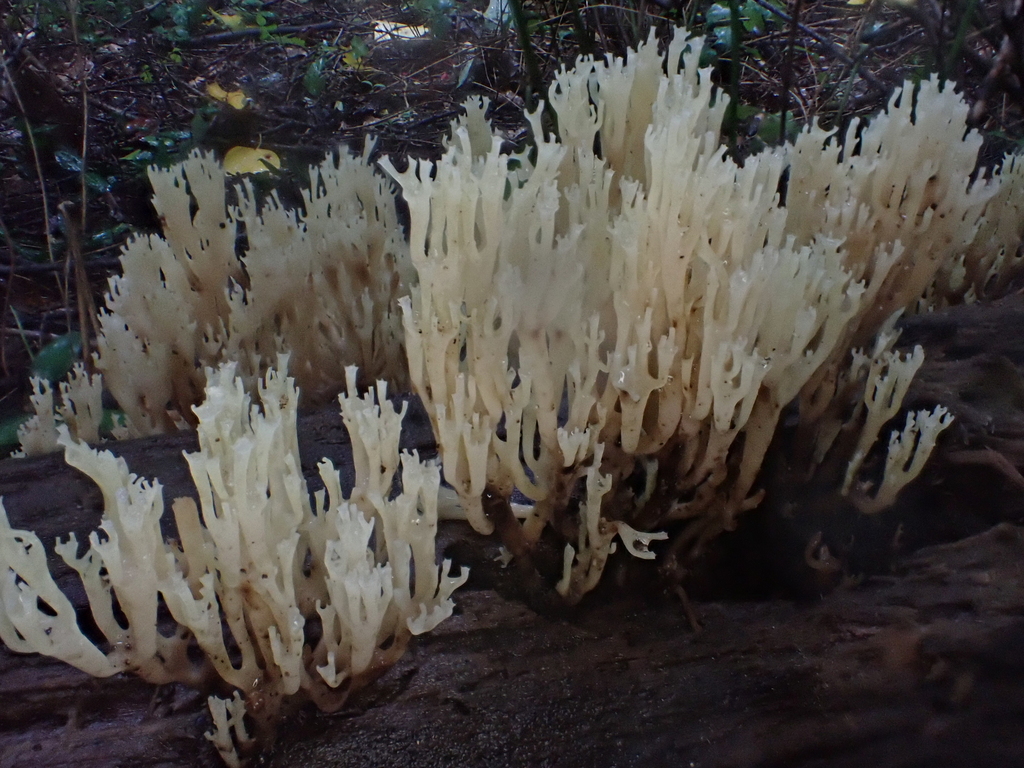
Cream crown-tipped coral fungus branching on a log
Edibleintermediate

Crown-tipped Coral

Artomyces pyxidatus

A candelabra-like coral fungus on rotting hardwood, each branch ending in a small crown of points.

Photo: David Wilkins, CC BY
Compiled by Mushroom Forage Map field deskExpert review pendingContent checked
Identification warning

Many corals grow on soil and some cause digestive upset. Confirm growth on wood and crown-shaped tips.

Season
Summer to early autumn
Habitat
Rotting logs of aspen, willow, poplar, and other hardwoods
Underside
No gills or pores; branches end in crown-like tips
Spore evidence
White

Where it grows

Tracked records and known growing zone

Explore on the field map
Loading map…
Squares: where people recorded it, brighter where more people did
Verified records
20,561
People who recorded it
11,058
Most records (northern hemisphere)
Jun–Aug
Records span
1975–2026

Research-grade iNaturalist records, snapshot Aug 27, 2026. The growing zone combines areas where different people have repeatedly verified it. Records show where people looked and found it, not current abundance or permission to gather.

Observation season

When field records occur

Choose a hemisphere · All recorded years; not a current forecast.

Choose the hemisphere you want to study. Country detection is approximate and some countries span the equator.

Compare before concluding

Lookalikes to rule out

Ramaria corals

caution

Ramaria grow from soil and several are laxative.

Clavulina corals

harmless

Clavulina are white, grow on soil, and have fringed tips.

Identification

The fruiting body branches repeatedly in a candelabra pattern. Each branch tip ends in a small cup with points, like a crown. It is creamy to pale tan and grows directly from rotting wood.

Uses and ecology

Crown-tipped coral decays hardwood, especially aspen. It tastes peppery raw, which disappears with cooking.

Memorable fact

It is the only common coral fungus with crown-shaped tips, which makes it one of the easiest corals to recognize.

Sources

Back to the fungi library