The Living Fungi LibraryFungi LibraryMushroom Forage Map
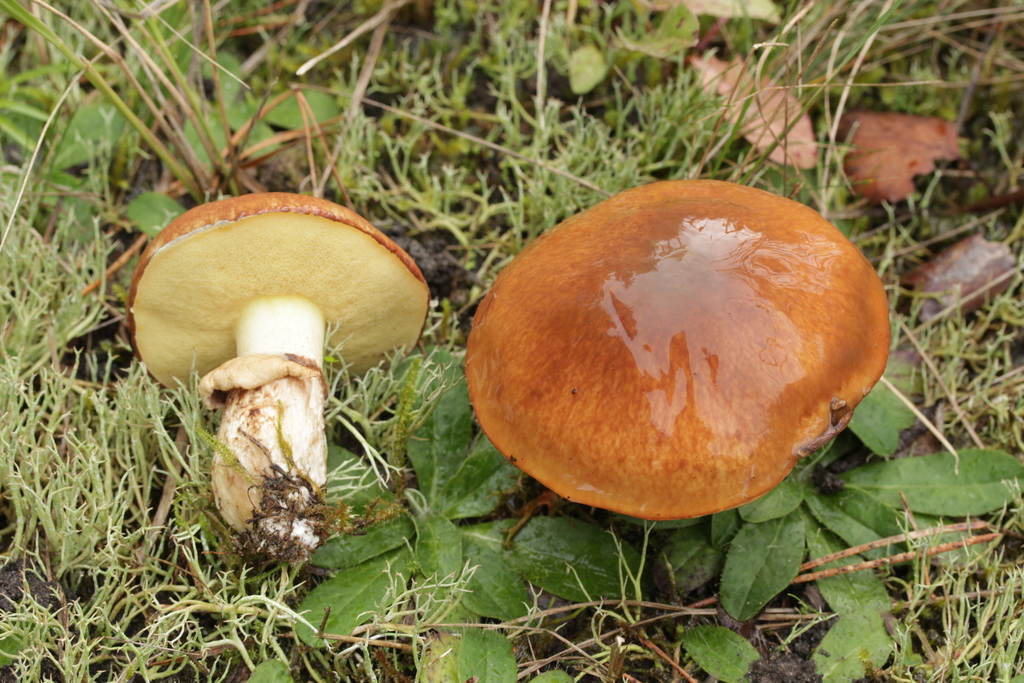
Glossy brown slippery jack boletes with yellow pores
Edibleintermediate

Slippery Jack

Suillus luteus / Sticky bun

A slimy brown pine bolete with a prominent purplish ring, now common in pine plantations worldwide.

Photo: Björn Sothmann, CC BY-SA
Compiled by Mushroom Forage Map field deskExpert review pendingContent checked
Identification warning

Peel the slimy cap skin before cooking; the slime causes digestive upset in some people.

Season
Autumn
Habitat
Under pines, including planted pines in the Southern Hemisphere
Underside
Small yellow pores that do not bruise blue
Spore evidence
Brown

Where it grows

Tracked records and known growing zone

Explore on the field map
Loading map…
Squares: where people recorded it, brighter where more people did
Verified records
3,779
People who recorded it
2,193
Most records (northern hemisphere)
Sep–Oct
Records span
1970–2026

Research-grade iNaturalist records, snapshot Aug 27, 2026. The growing zone combines areas where different people have repeatedly verified it. Records show where people looked and found it, not current abundance or permission to gather.

Observation season

When field records occur

Choose a hemisphere · All recorded years; not a current forecast.

Choose the hemisphere you want to study. Country detection is approximate and some countries span the equator.

Compare before concluding

Lookalikes to rule out

Weeping bolete

harmless

Suillus granulatus has no ring and beads milky droplets on its pores.

Peppery bolete

caution

Chalciporus piperatus is small, cinnamon-pored, and hot tasting.

Other Suillus

harmless

Many Suillus species share slimy caps; check ring, pores, and host tree.

Identification

The chestnut to chocolate-brown cap is covered with thick slime in wet weather. The pores are small and yellow. A large, membranous ring hangs from the stem, white above and purplish brown below, and the stem above the ring has small glandular dots.

Uses and ecology

Slippery jacks are mycorrhizal with pines and traveled with pine plantations to South America, southern Africa, Australia, and New Zealand, where they are now common. Harvest young, firm specimens.

Memorable fact

In Chile and South Africa, slippery jacks from pine plantations are commercially collected and exported.

Sources

Back to the fungi library