Other Artemisia
Study firstMugwort and wormwood are related aromatic plants with similar cautions.
Artemisia afra
Also found as Wilde als · Umhlonyane
A silvery, feathery aromatic shrub of southern and eastern Africa with a long history in traditional medicine.
Sources checked 27 September 2026 · Specialist field review pending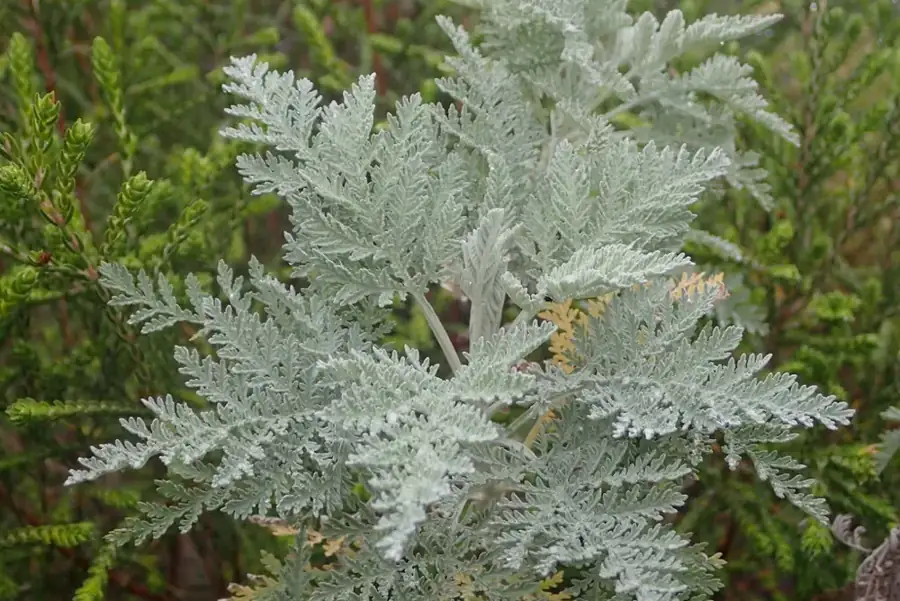
Contains thujone; large amounts are toxic to the nervous system. Avoid in pregnancy.
Where it grows
| January | 79 |
|---|---|
| February | 94 |
| March | 87 |
| April | 145 |
| May | 120 |
| June | 53 |
| July | 47 |
| August | 36 |
| September | 71 |
| October | 68 |
| November | 64 |
| December | 65 |
Research-grade iNaturalist records, snapshot Aug 27, 2026. The growing zone combines areas where different people have repeatedly verified it. Records show where people looked and found it, not current abundance or permission to gather.
01 / Learn to see
Soft, silvery-gray, finely divided leaves.
Strong sagey aroma when crushed.
Small yellow flower heads in late summer.
These are study prompts, not a complete identification key. Confirm the full plant with a regional flora and an experienced local identifier.
02 / Resolve the differences
Mugwort and wormwood are related aromatic plants with similar cautions.
Selected comparisons only. Other lookalikes may occur locally.
03 / Meet the place
Mountain grasslands and scrub from South Africa to Ethiopia.
Leaves year-round.
Stage guidance is not a local forecast. Check your climate, elevation and a regional source; no month-shift formula is used here.
04 / Gather with care
Parts discussed: Leaf
Used in small amounts as a bitter tea or steam inhalation in traditional practice.
Collect from cultivated plants where possible.
Preparation & storage essentials05 / Follow the evidence
Checked 27 September 2026. Original editorial synthesis; source institutions have not reviewed or endorsed this guide. Independent botanical field review is pending. Photos illustrate specimens; they do not certify the identity of a plant you find.
Suggest a correction