Culinary reference
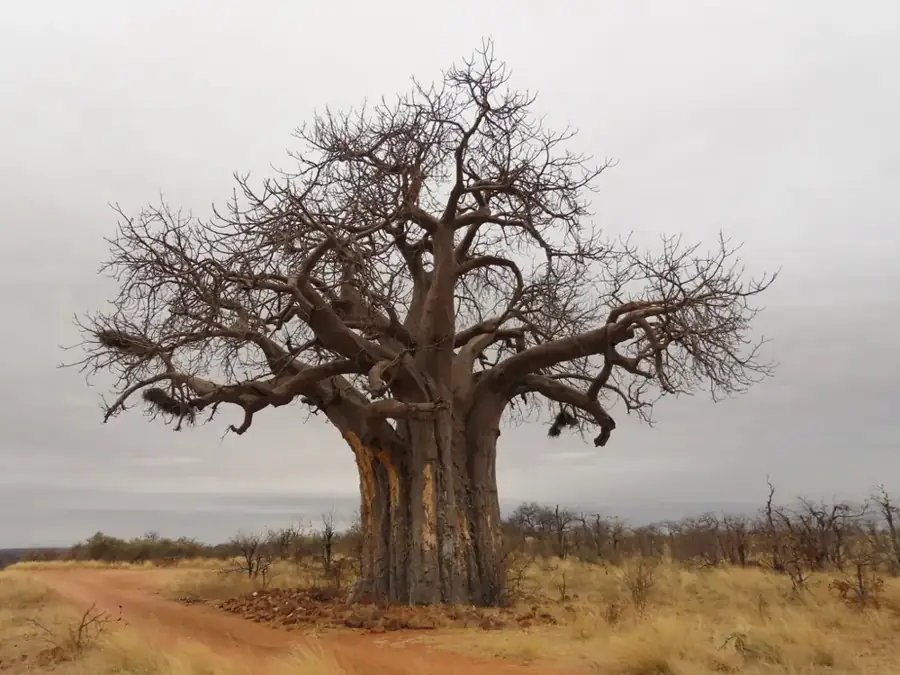
An iconic African savanna tree with a massive trunk and velvety pods filled with tart, powdery pulp.
Scrub & fynbos · Gardens & cultivation

The gathering atlas · A global first edition
A world of plants.
A closer way of looking.
Field marks, lookalikes, seasons and care for the places we gather.
Follow a name, a habitat, a question
113 of 113 plants
Saved plants stay in this browser.Read the full guide and its lookalikes before gathering. Sources checked September 2026; specialist field review is pending.
An iconic African savanna tree with a massive trunk and velvety pods filled with tart, powdery pulp.
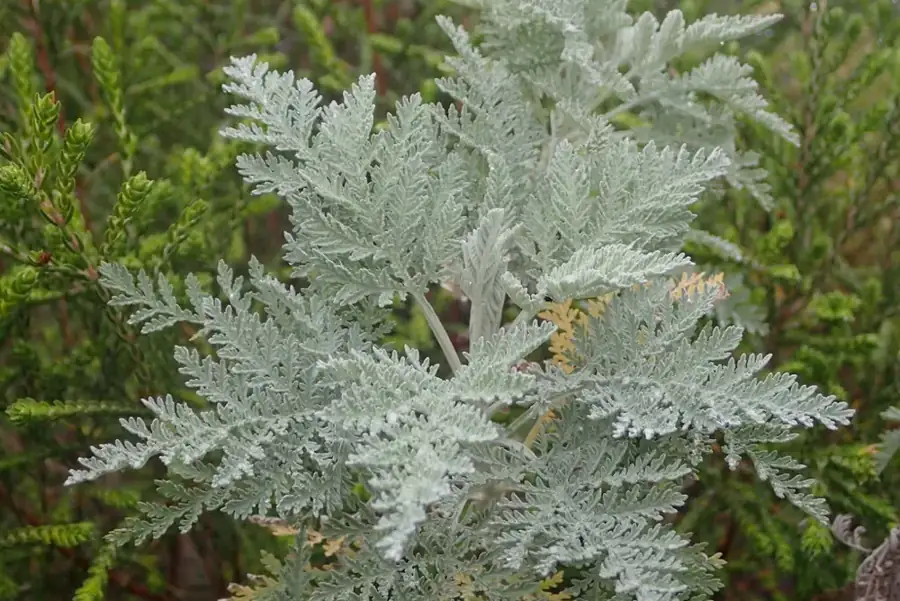
A silvery, feathery aromatic shrub of southern and eastern Africa with a long history in traditional medicine.
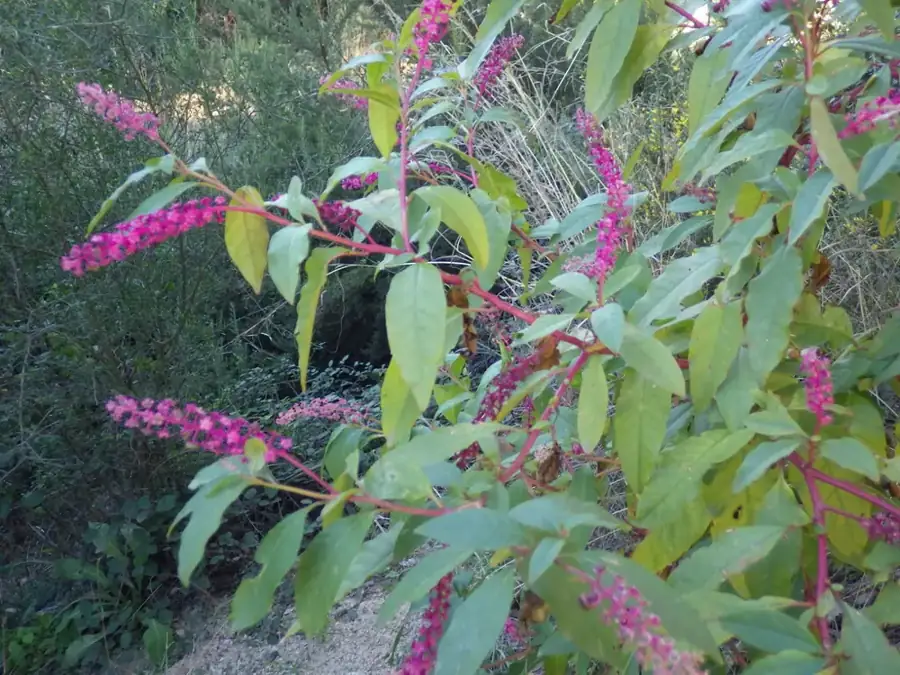
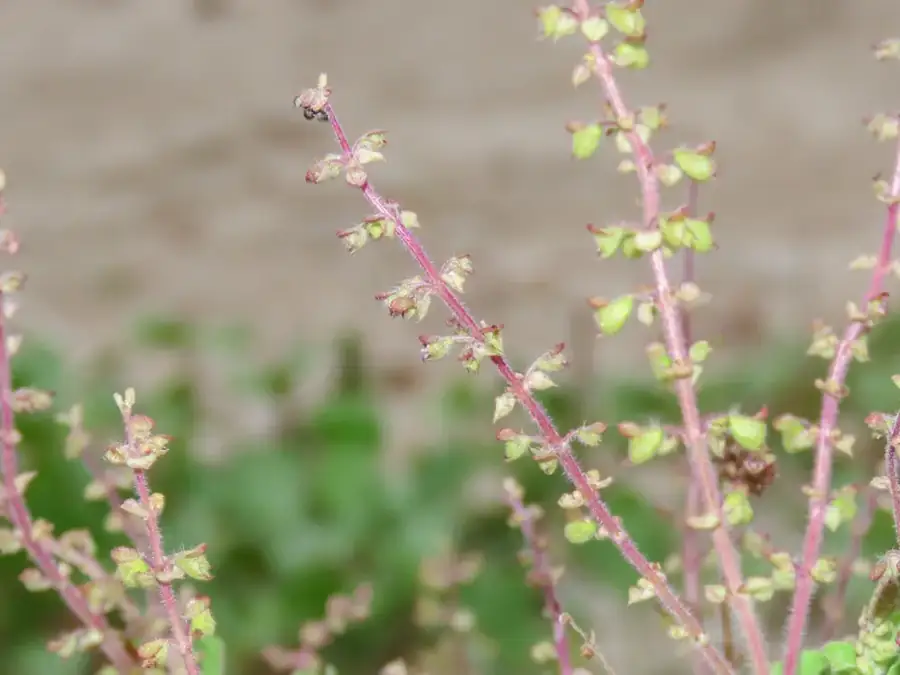
A large, magenta-stemmed perennial with hanging clusters of purple-black berries; toxic in every part.
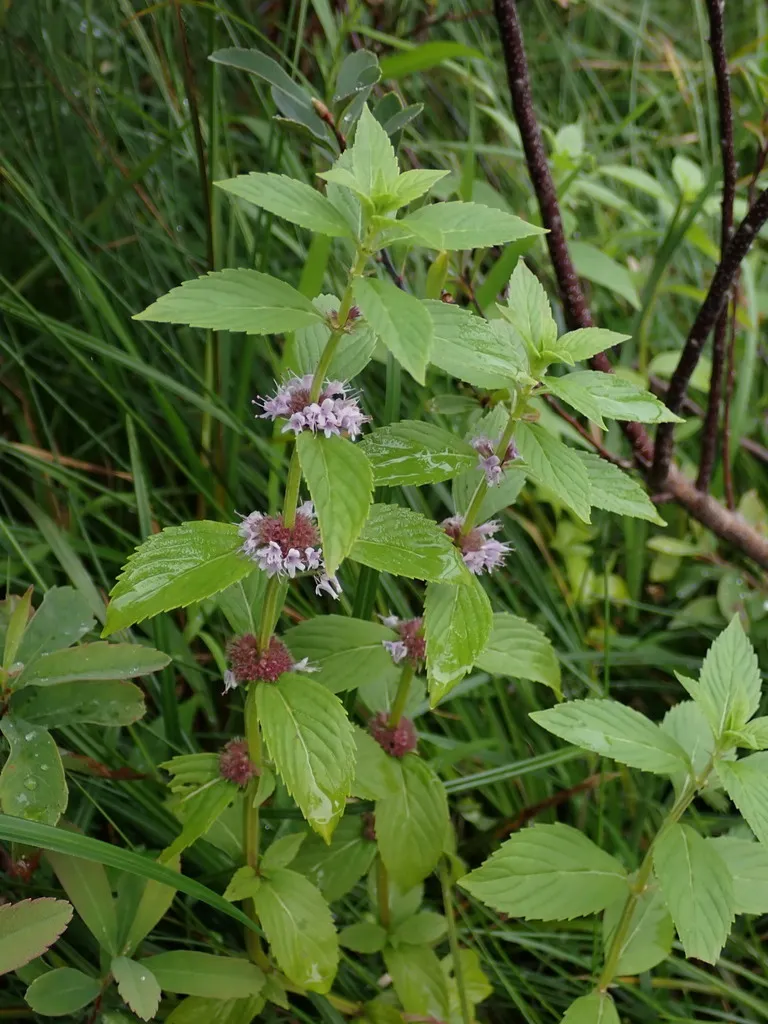
An aromatic wet-ground mint that needs species-level checking before any kitchen use.
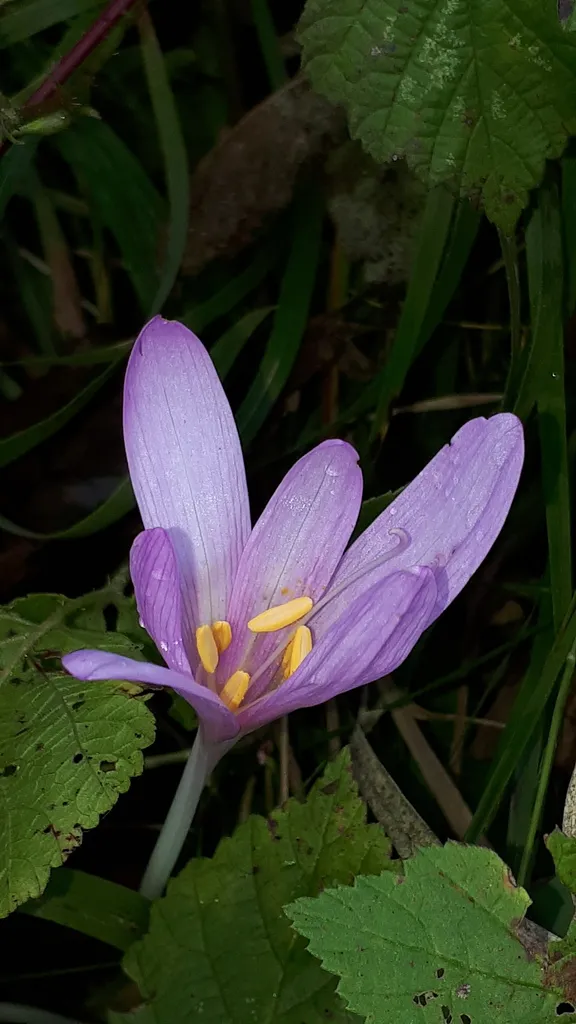
A potentially fatal poisonous plant whose spring leaves appear separately from its autumn flowers.
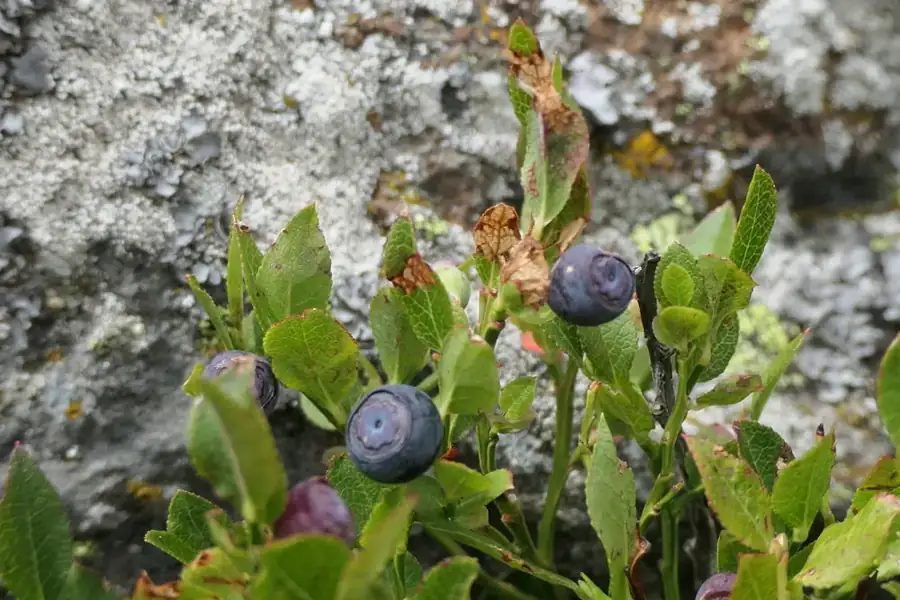
A low heathland shrub with green, angular stems and dark blue berries that stain the fingers.
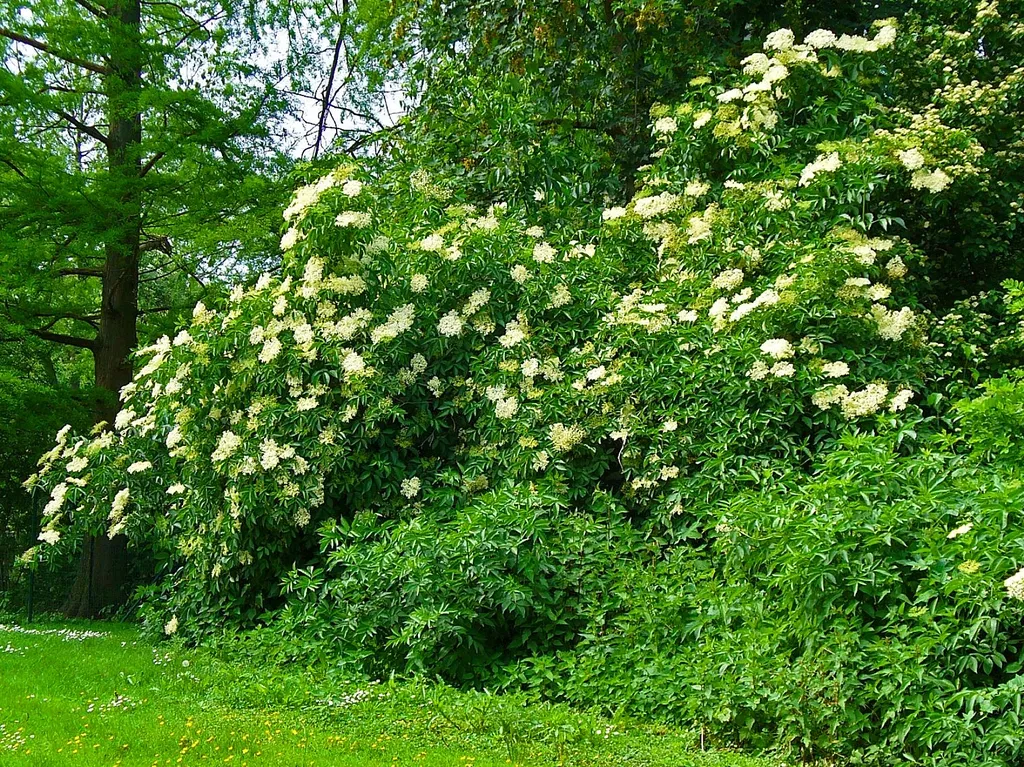
A woody elder whose flowers and properly prepared ripe berries have culinary uses.
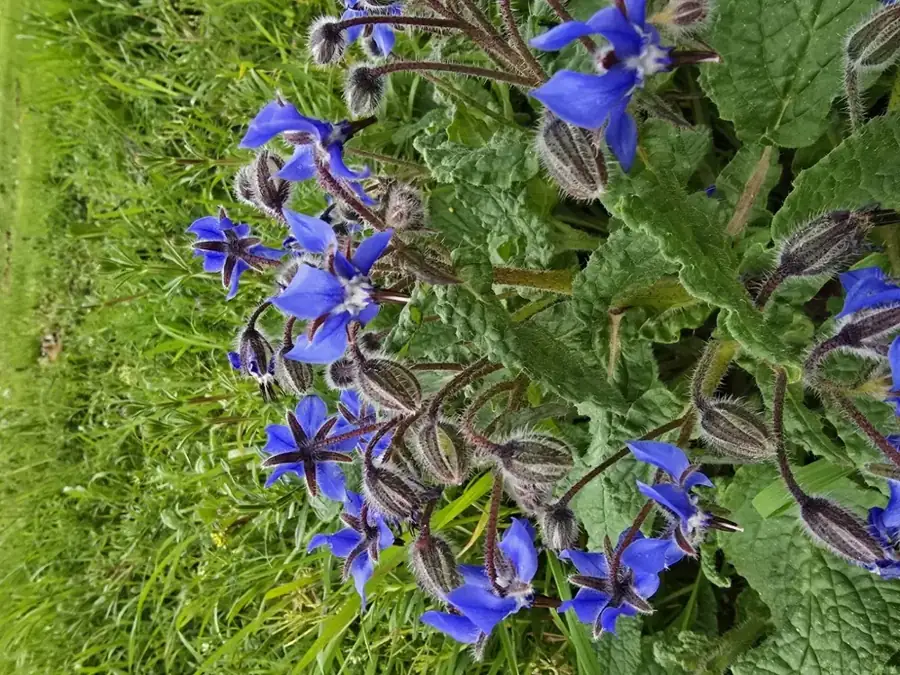
A bristly annual with bright blue star-shaped flowers that taste of cucumber.
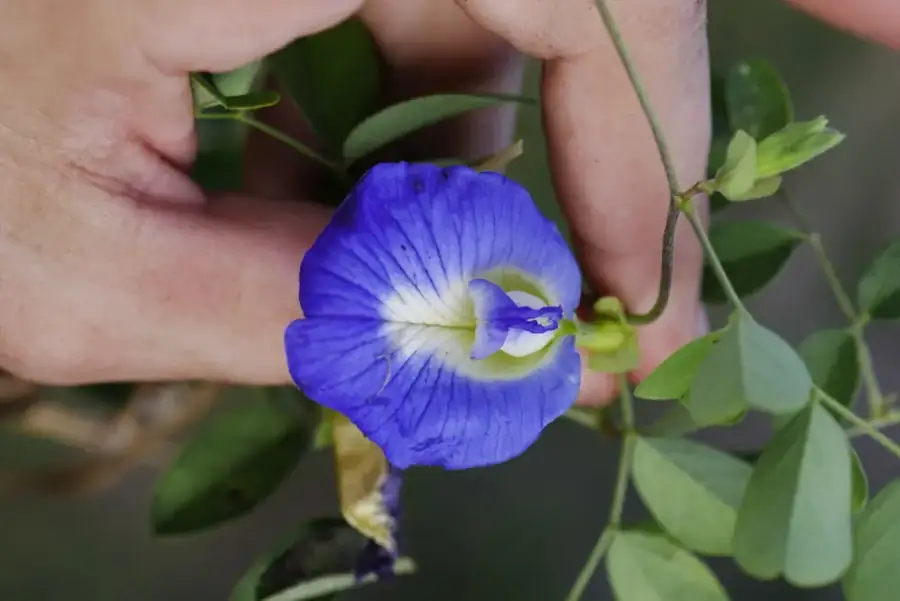
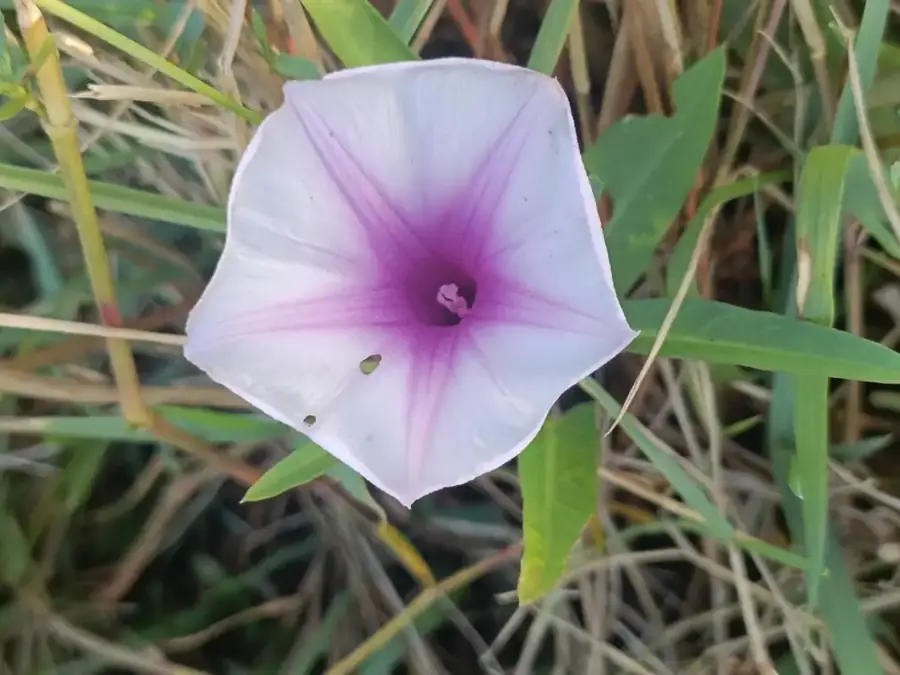
A tropical climbing vine with vivid blue flowers used to color tea and rice blue.
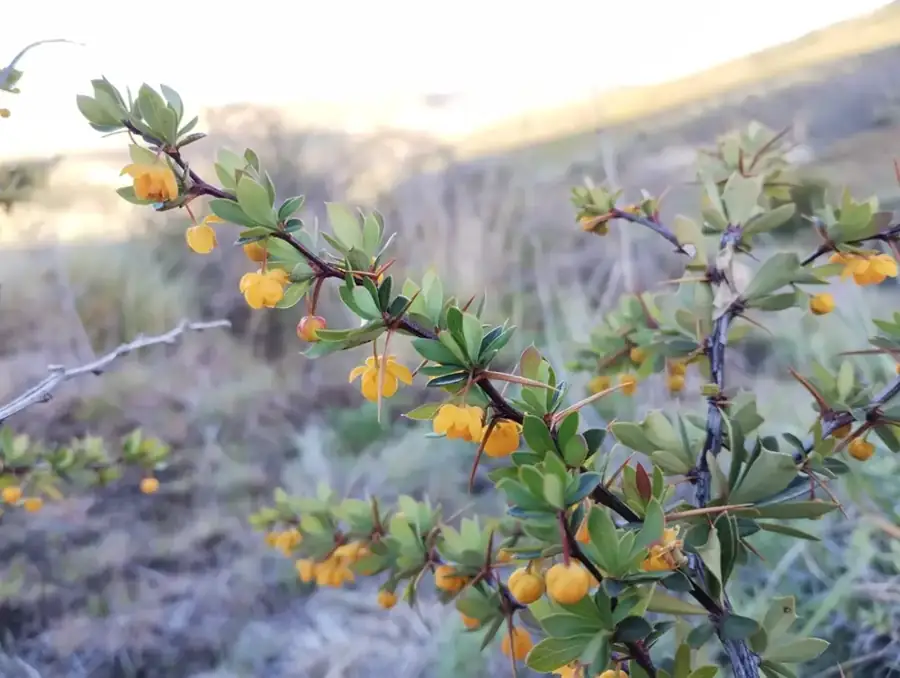
A spiny Patagonian barberry with yellow flowers and blue-black berries, tied to local tradition.
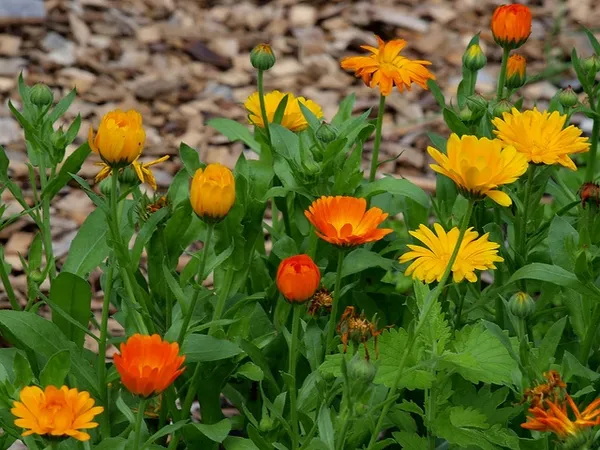
A garden annual valued for orange or yellow flower heads and culinary petals.
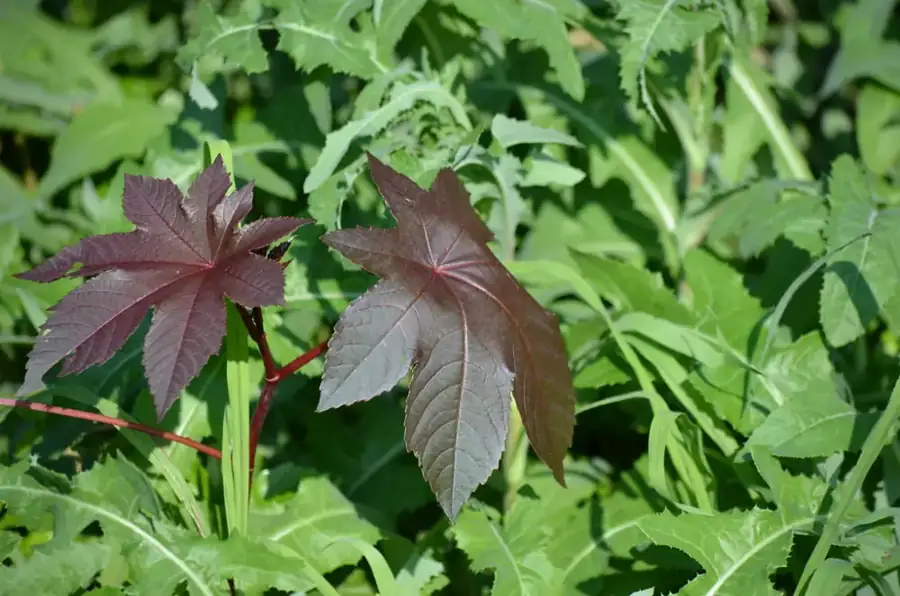
A tall tropical shrub with large palmate leaves and spiny seed pods holding mottled seeds that contain ricin.
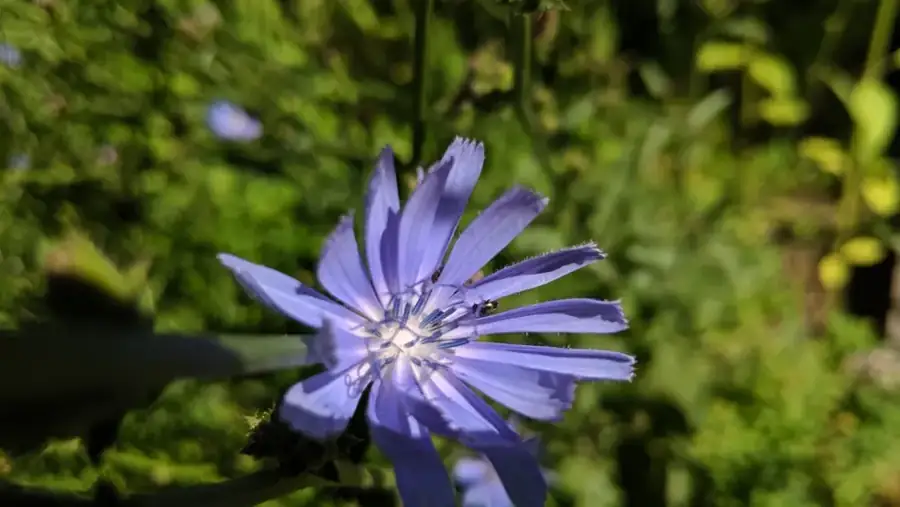
A roadside plant with sky-blue flowers that close by afternoon and bitter, dandelion-like basal leaves.
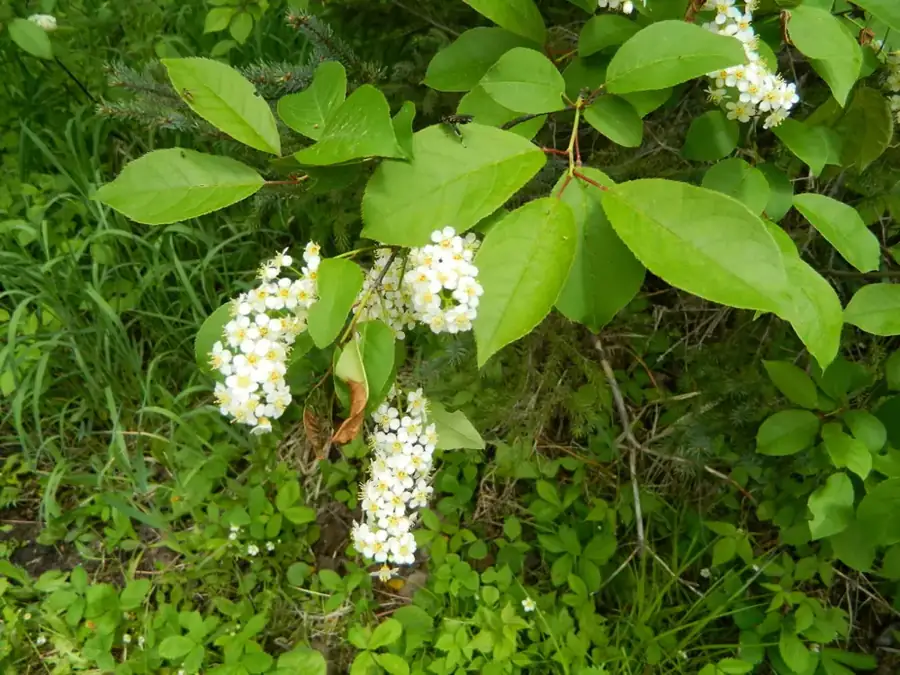
A thicket-forming cherry with long hanging clusters of astringent red to black fruits used for jelly.
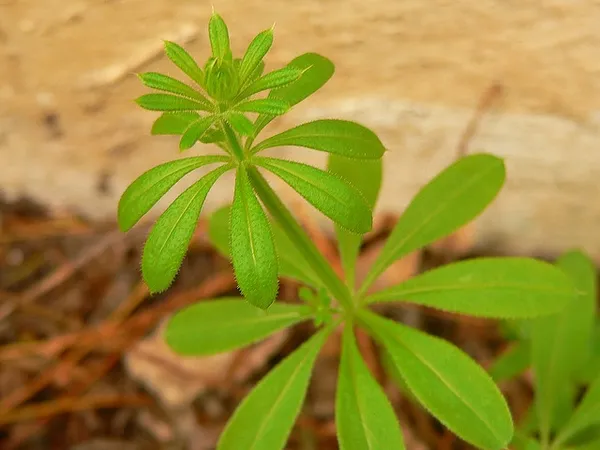
A scrambling annual whose hooked hairs attach to neighboring plants and clothing.
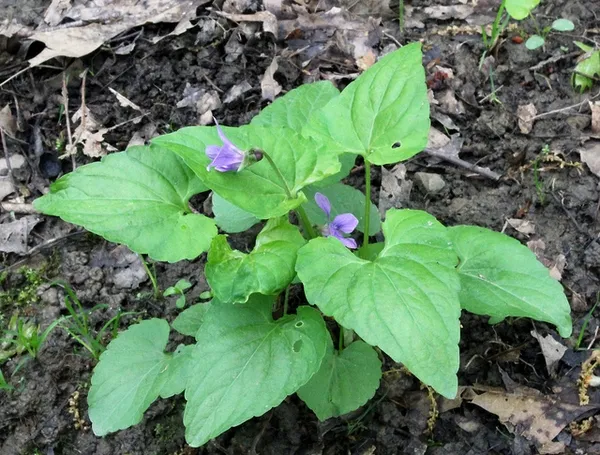
A North American violet with basal heart-shaped leaves and edible flowers and young leaves.
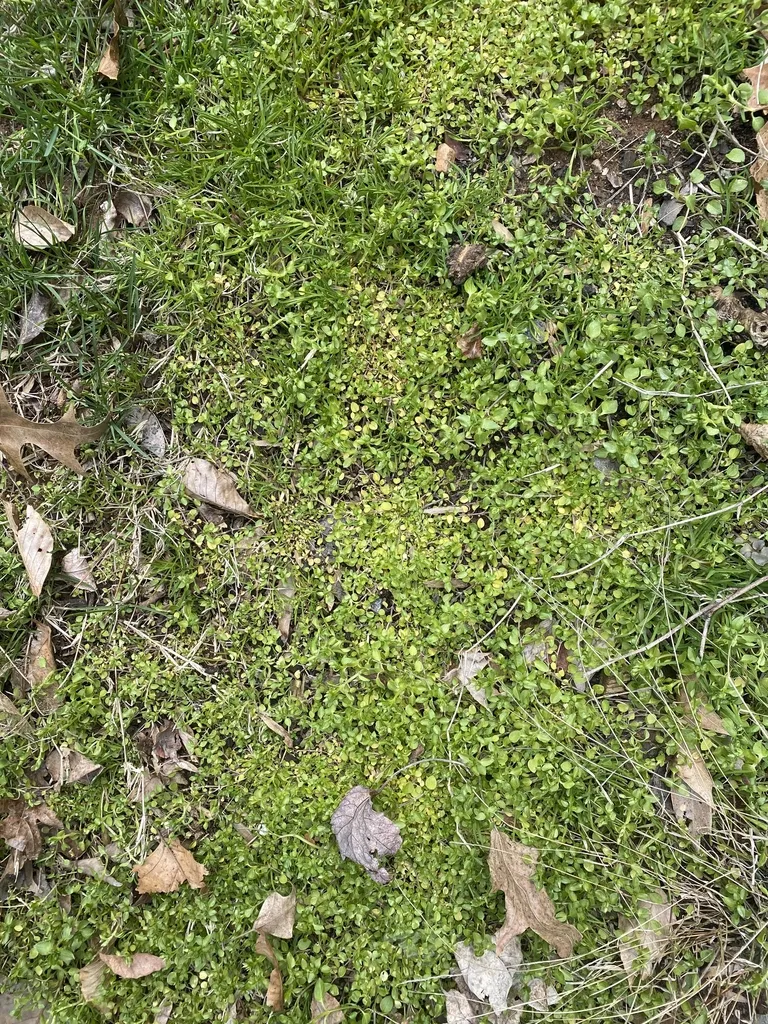
A cool-season annual forming soft green patches with tiny, deeply divided white petals.
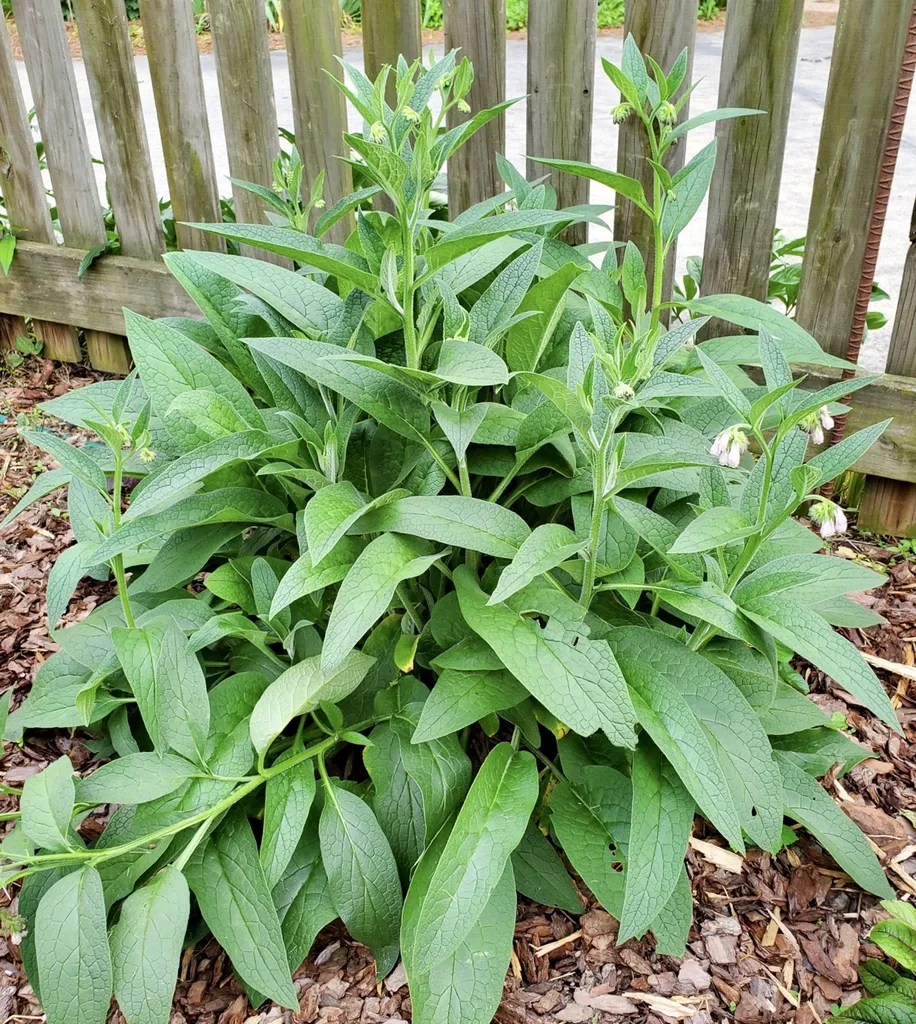
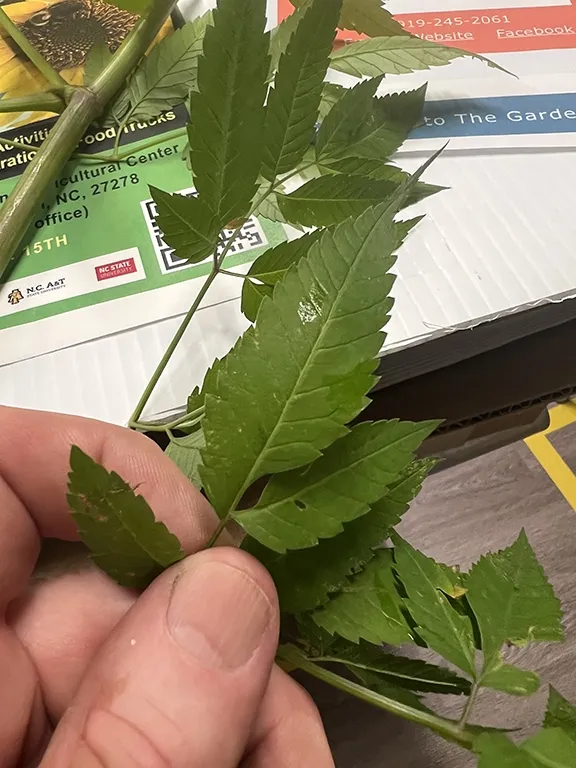
A coarse perennial with a history of herbal use, included here as an observe-only plant.
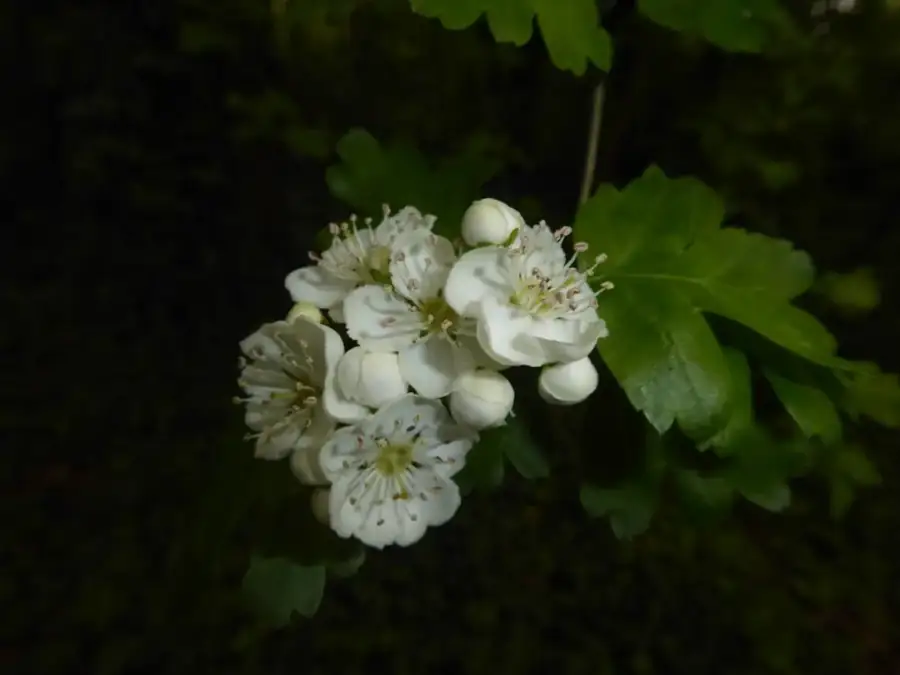
A thorny hedgerow shrub with deeply lobed leaves, white May blossom and dark red autumn haws.
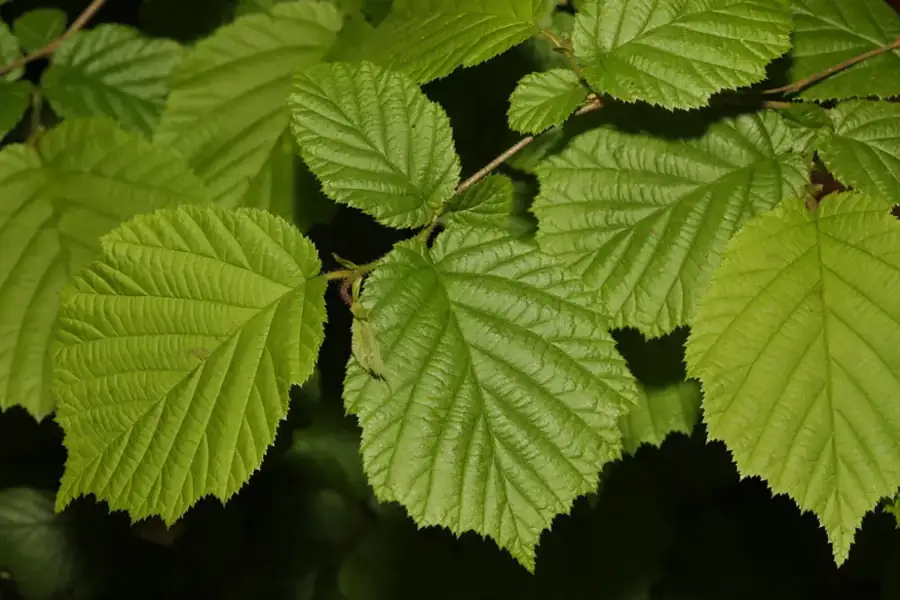
A multi-stemmed hedgerow shrub with soft, round toothed leaves, yellow catkins in winter and edible nuts in autumn.
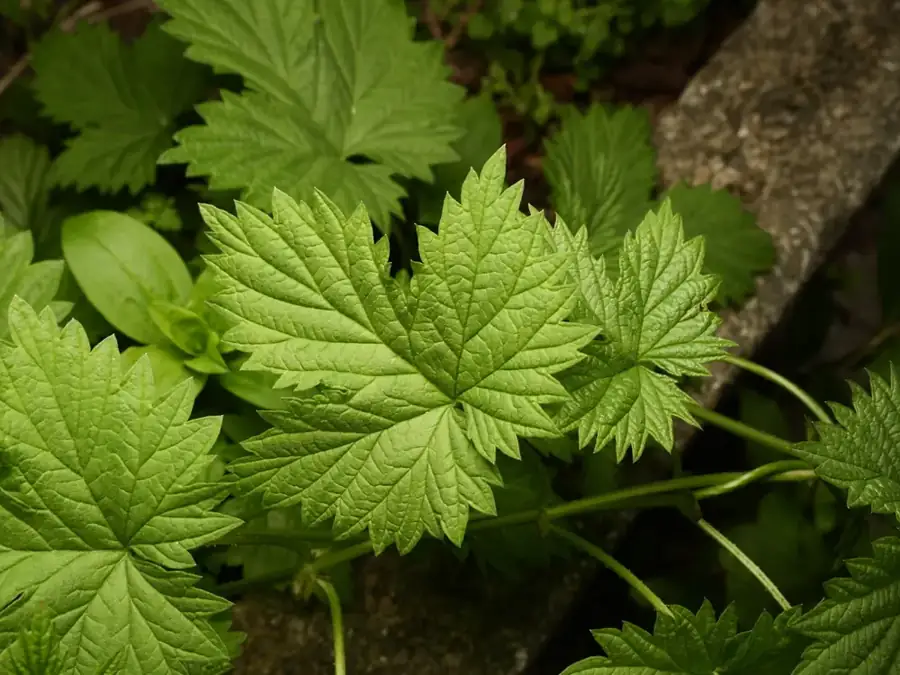
A twining vine with rough, lobed leaves and papery green cones used to flavor beer.
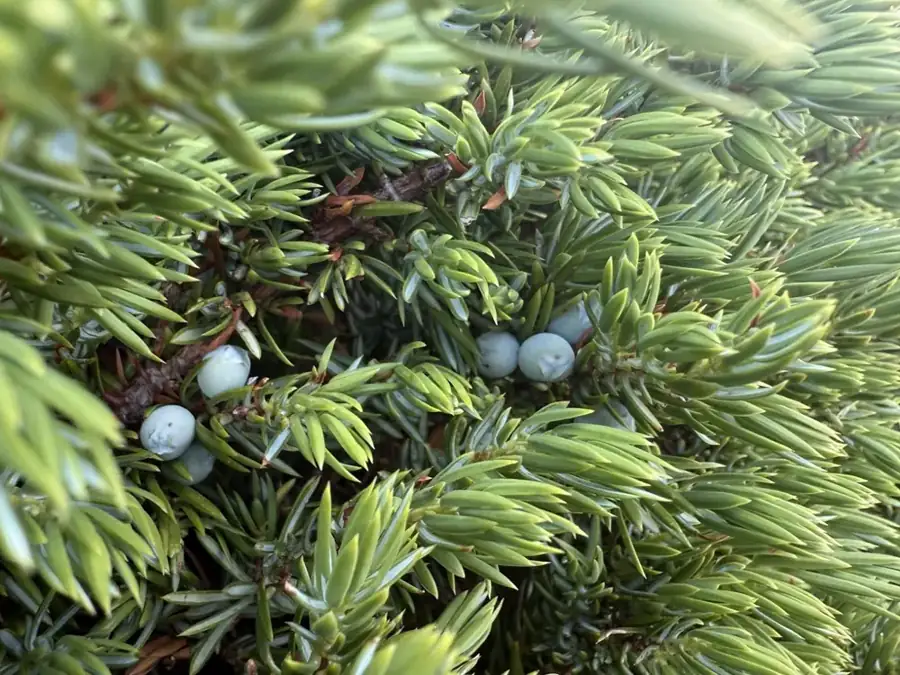
A prickly conifer shrub whose blue-black, berry-like cones flavor gin and game dishes.
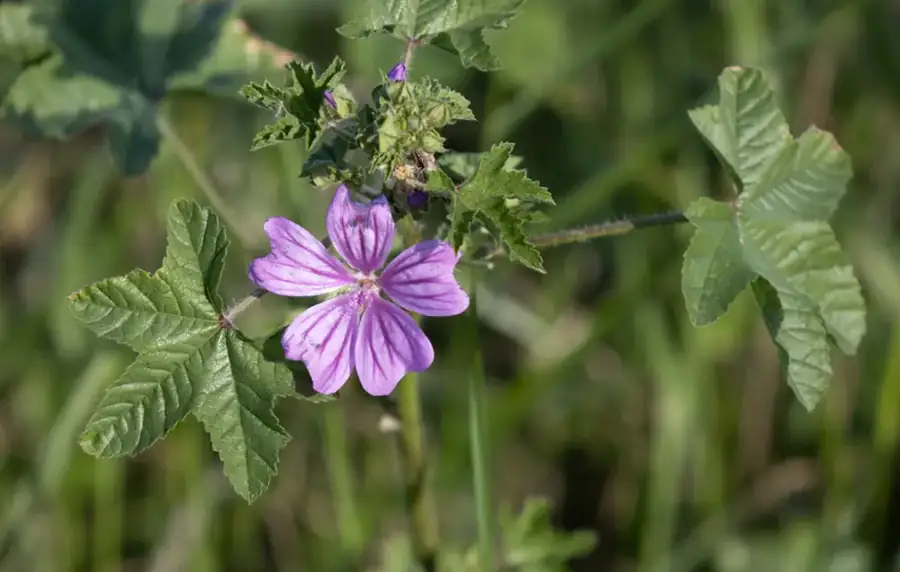
A roadside mallow with round lobed leaves and pink-purple flowers with dark veins.
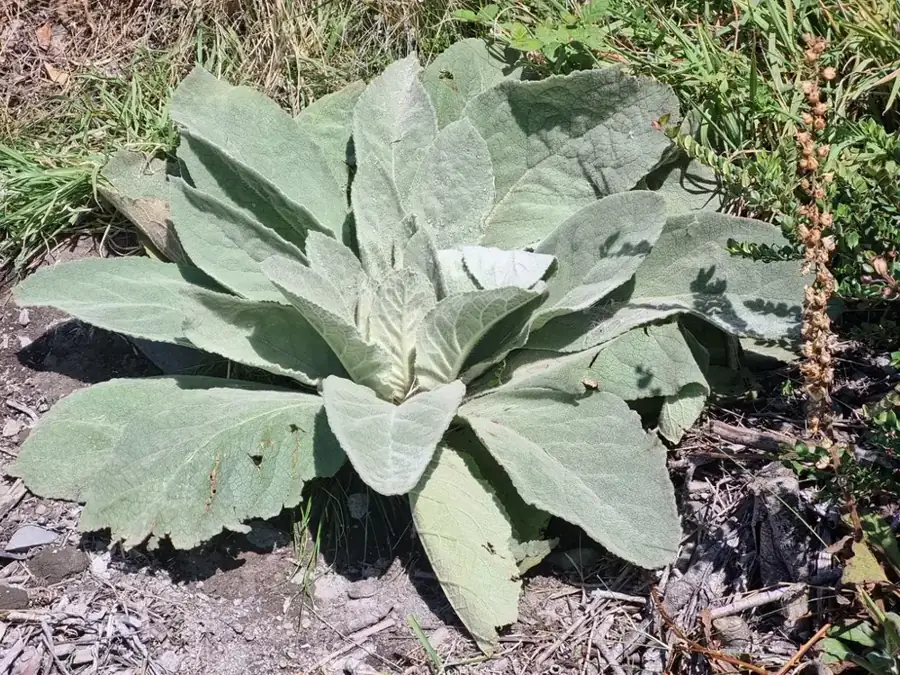
A tall biennial with a rosette of thick, velvety gray leaves and a spike of yellow flowers.
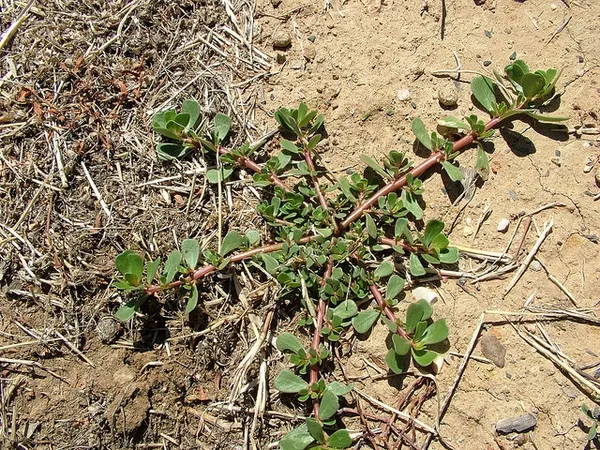
A low, fleshy warm-season plant with culinary use across many regions.
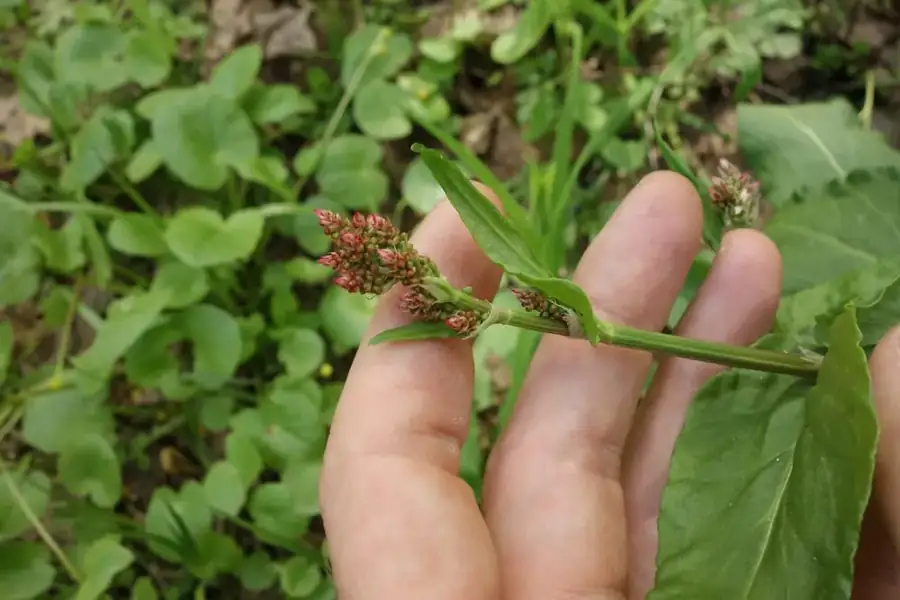
A meadow dock with arrow-shaped, lemony leaves and reddish flower spikes.
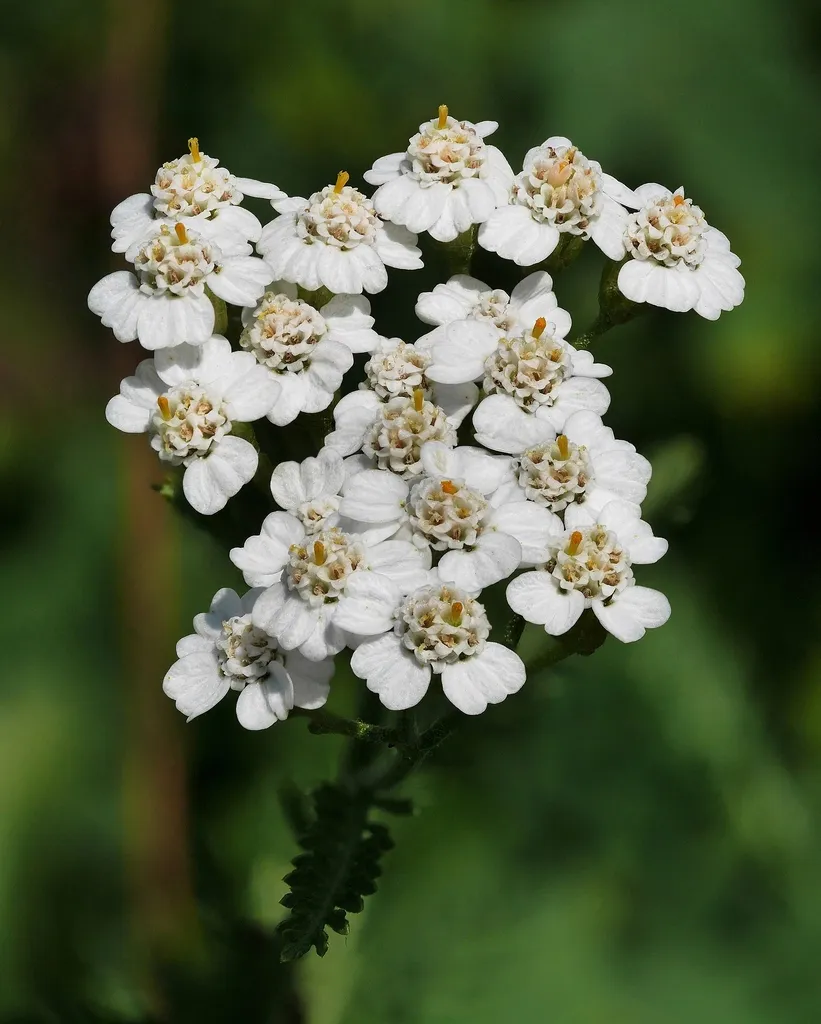
A meadow perennial with finely divided foliage and clusters of miniature daisy heads.
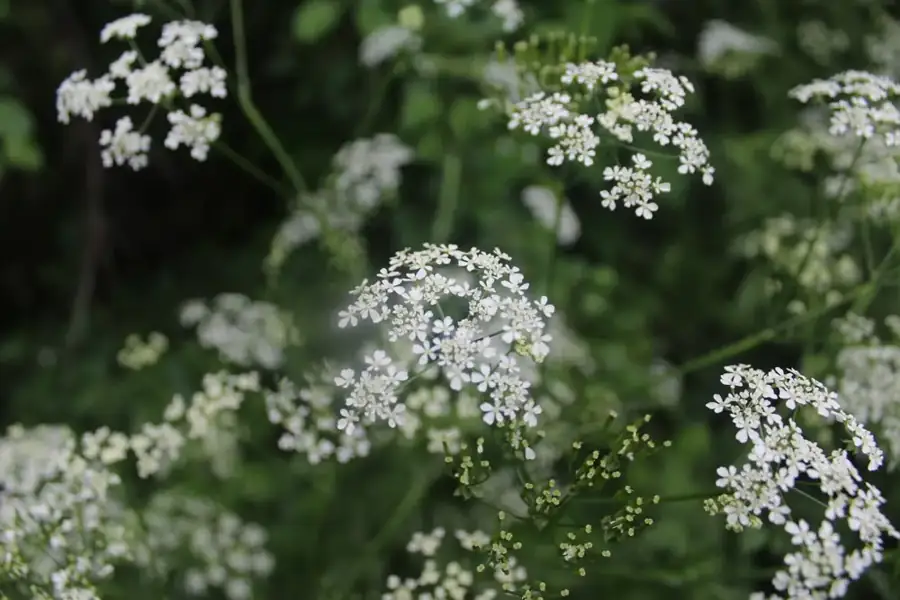
A spring hedgerow umbellifer with fern-like leaves and frothy white flower heads, easily confused with deadly relatives.
A tropical seasoning herb with long toothed leaves, used in Caribbean, Latin American and Asian cooking.
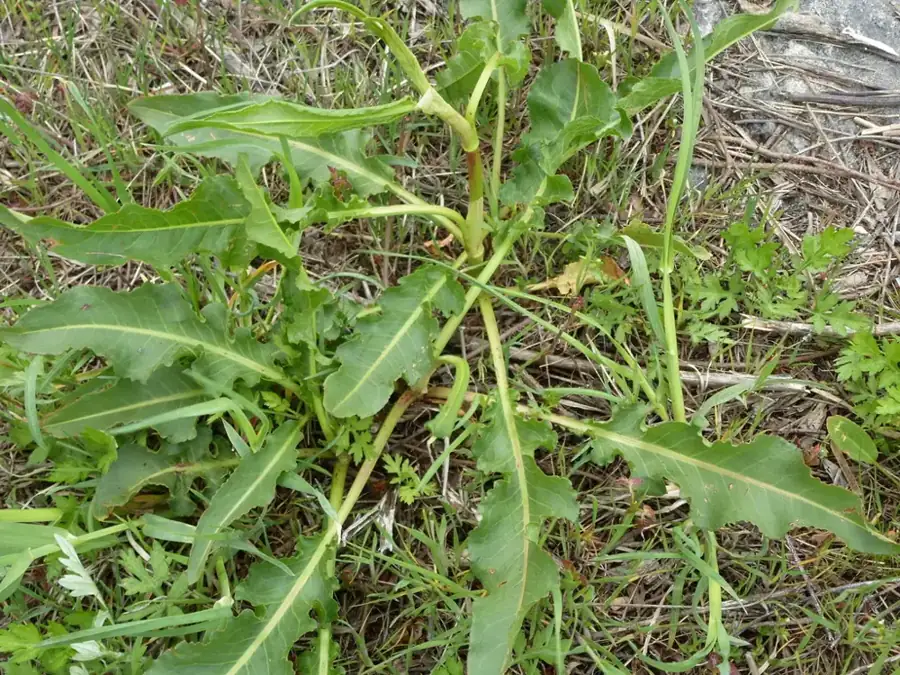
A tall dock with long, wavy-edged leaves and rusty seed stalks that persist into winter.
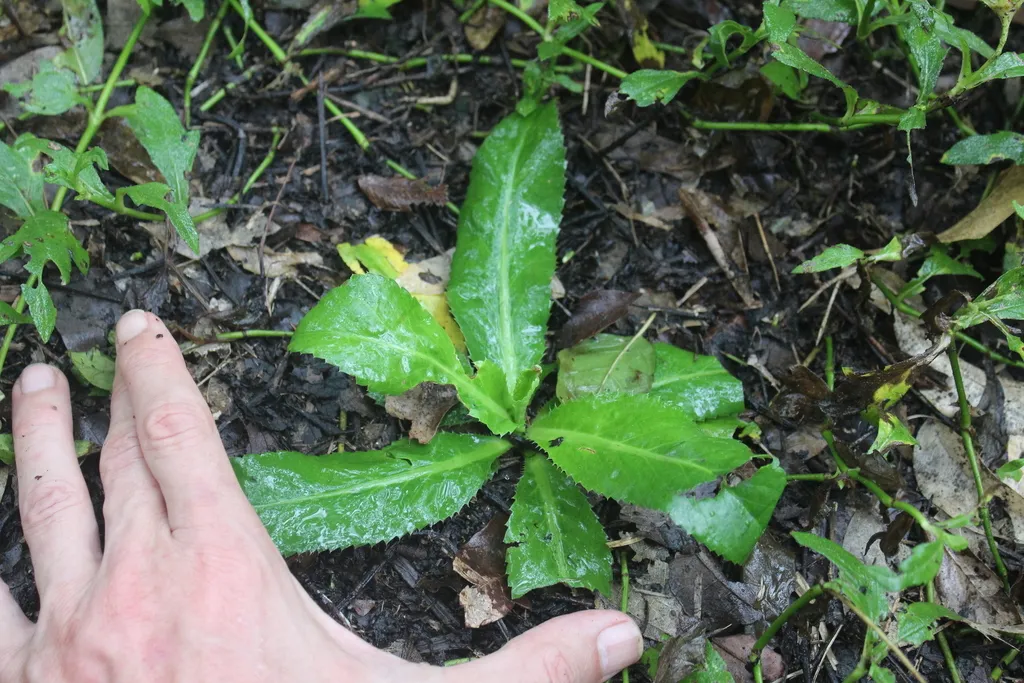
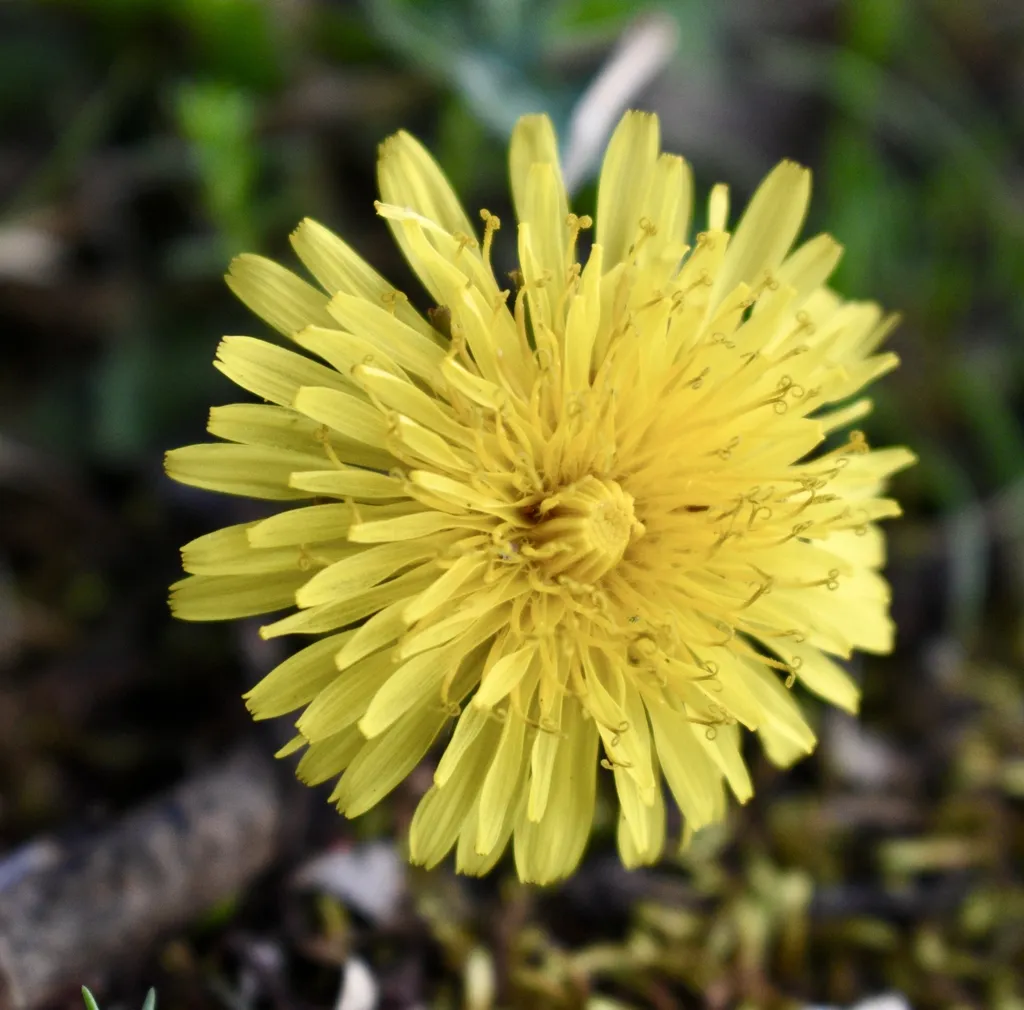
A familiar rosette plant with food uses for its leaves, flowers and roasted roots.
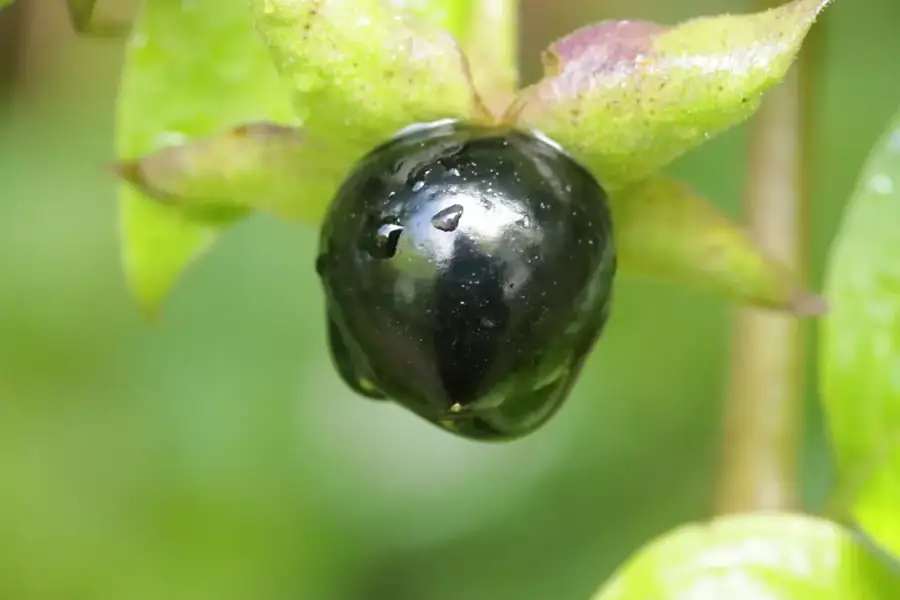
A shade-loving nightshade with dull purple bell flowers and glossy black cherry-like berries that are highly poisonous.
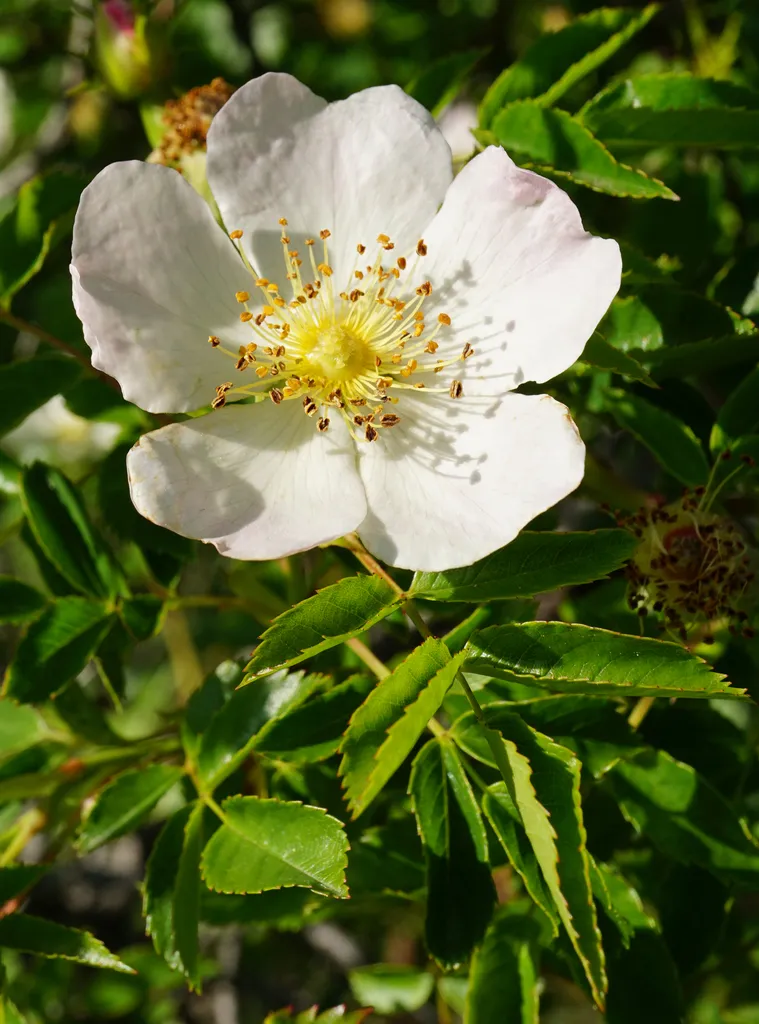
A scrambling rose with hooked prickles and red hips that persist into the cooler season.
A pungent tropical American herb with culinary history and important toxicity concerns.
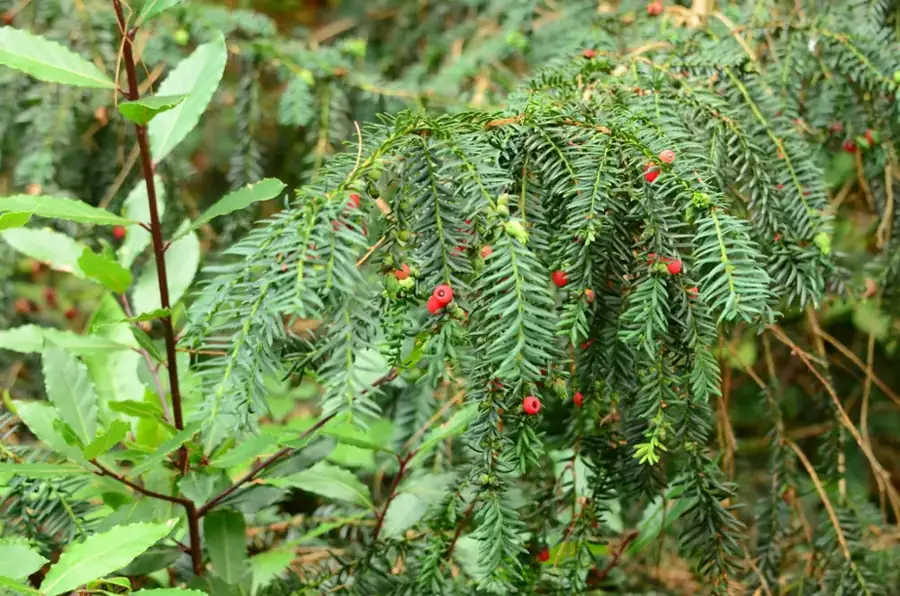
A dark evergreen conifer with flat needles and red cup-shaped arils; seeds, needles and bark are deadly.
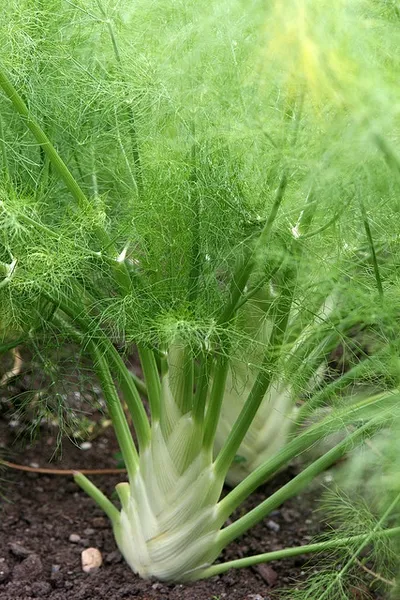
An aromatic Mediterranean herb with fine foliage and yellow umbels; wild identification needs particular care.
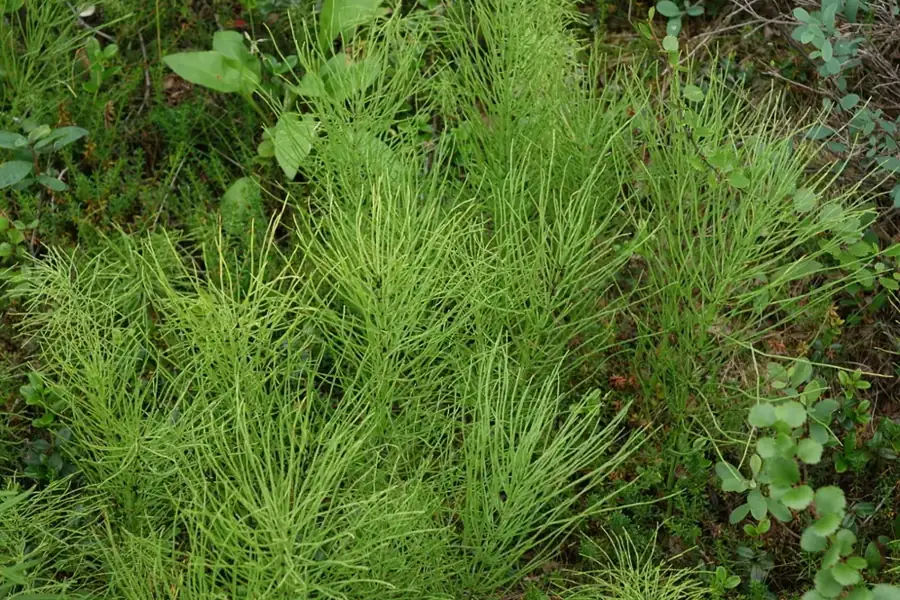
A spore-bearing relic plant with jointed, hollow green stems and whorls of needle-like branches.
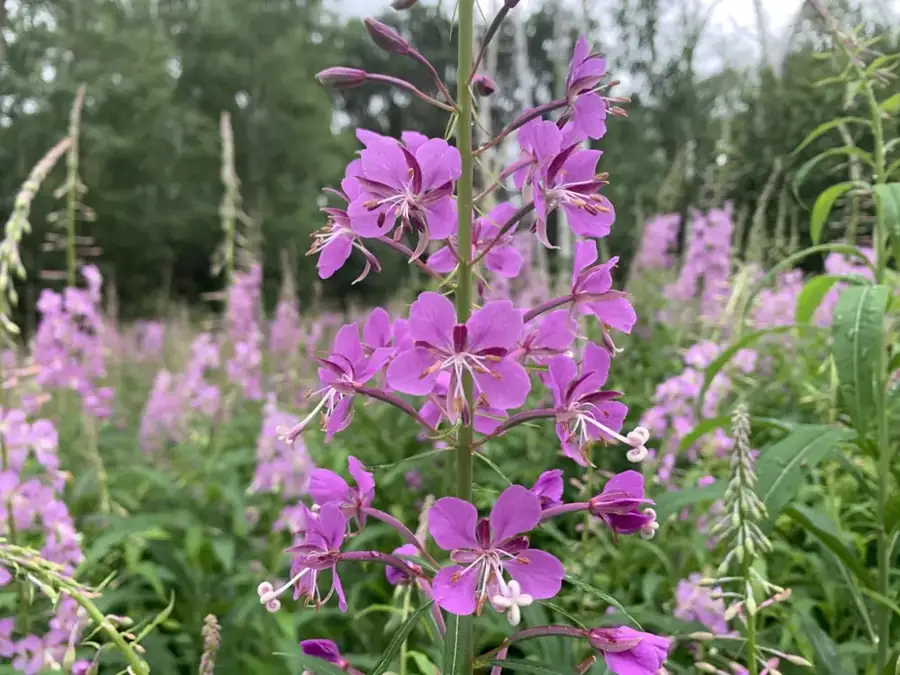
A tall pioneer of burns and clearings with willow-like leaves and bright magenta flower spikes.
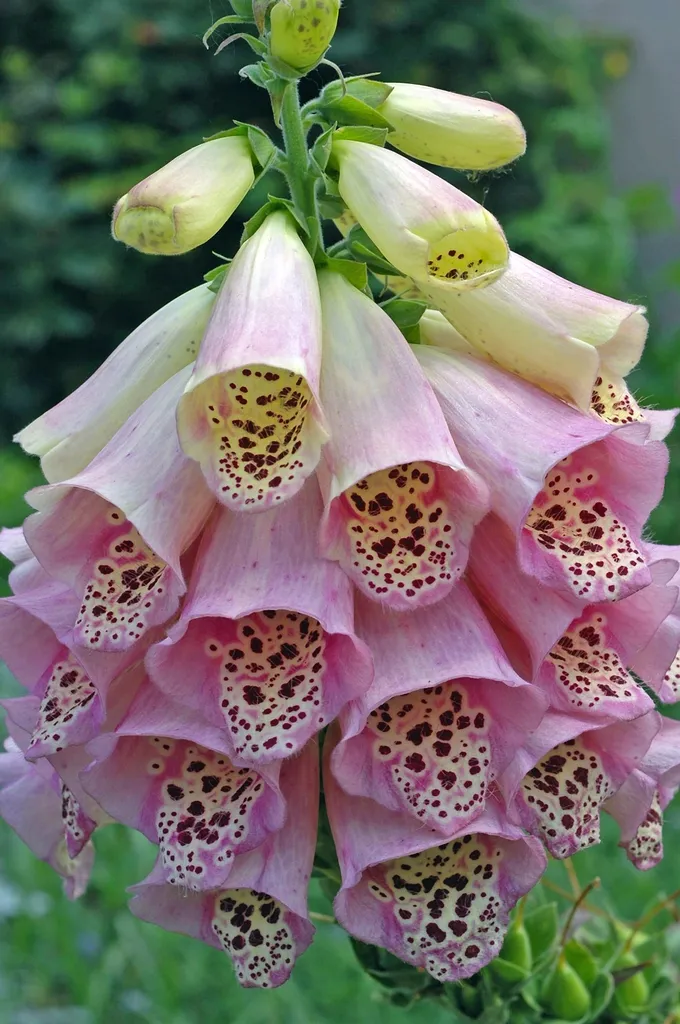
A poisonous biennial often first seen as a low rosette, before its conspicuous flower spike develops.
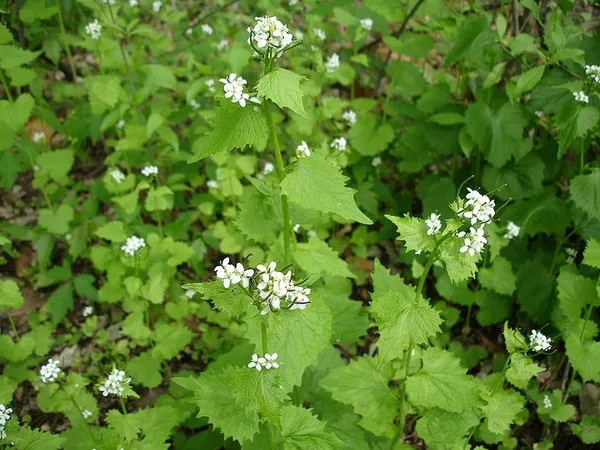
A biennial with garlic-scented foliage and white cross-shaped flowers; invasive in some regions.
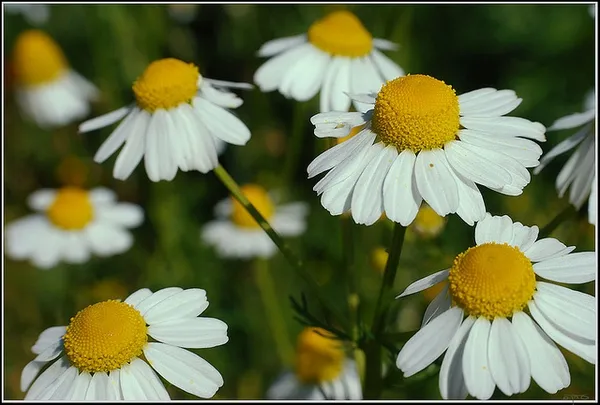
An annual daisy used for flower tea, distinct from Roman chamomile and other similar daisies.
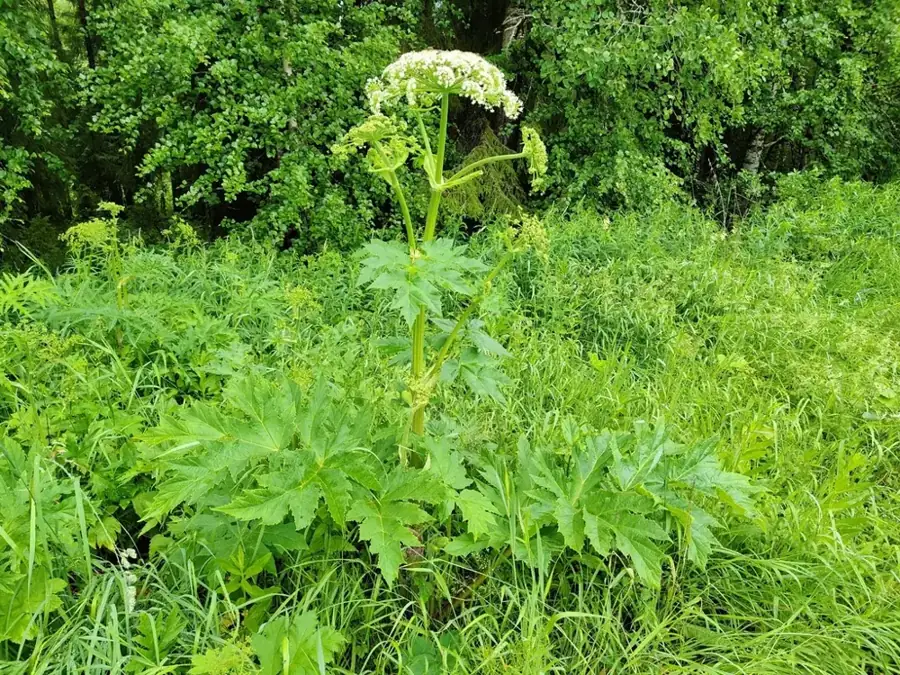
A towering umbellifer up to five meters tall whose sap causes severe, blistering burns in sunlight.
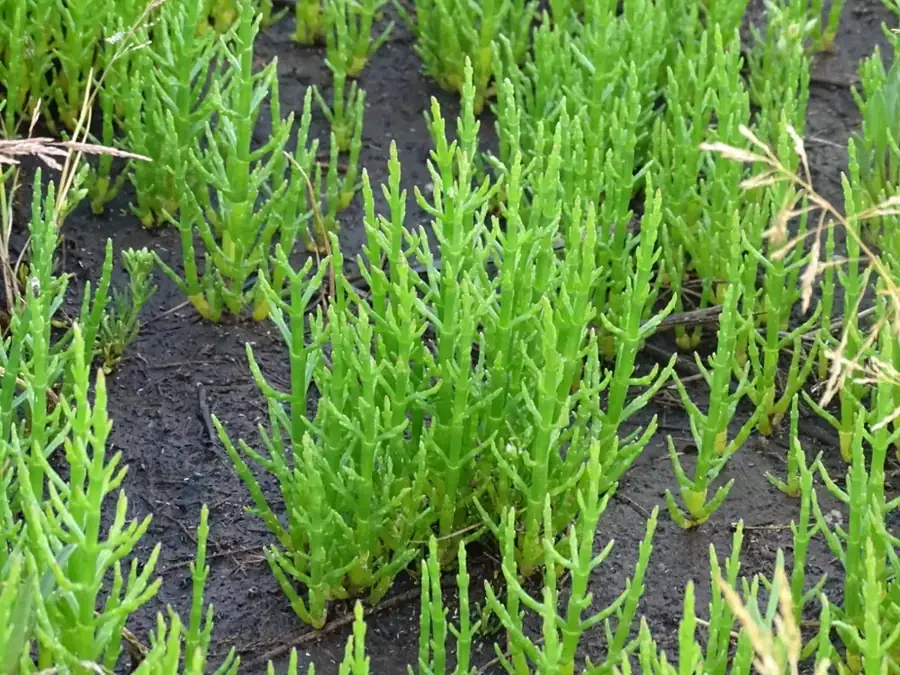
A leafless, jointed salt-marsh succulent with bright green segmented stems that taste of the sea.
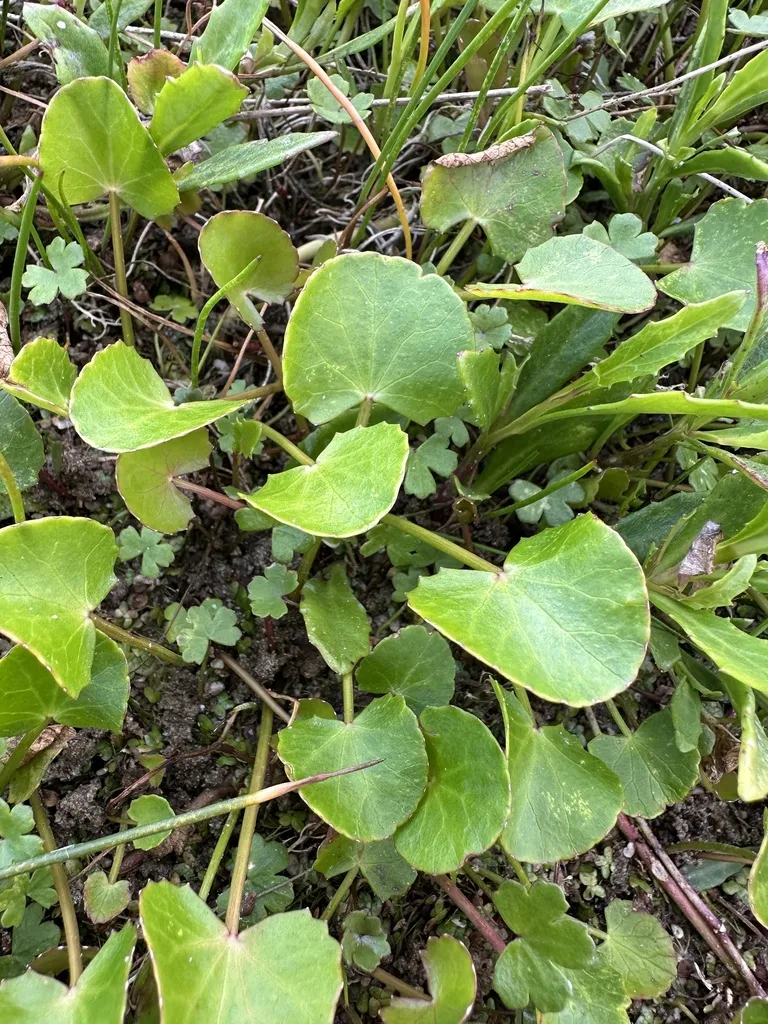
A creeping tropical herb with kidney-shaped leaves and documented regional food uses.
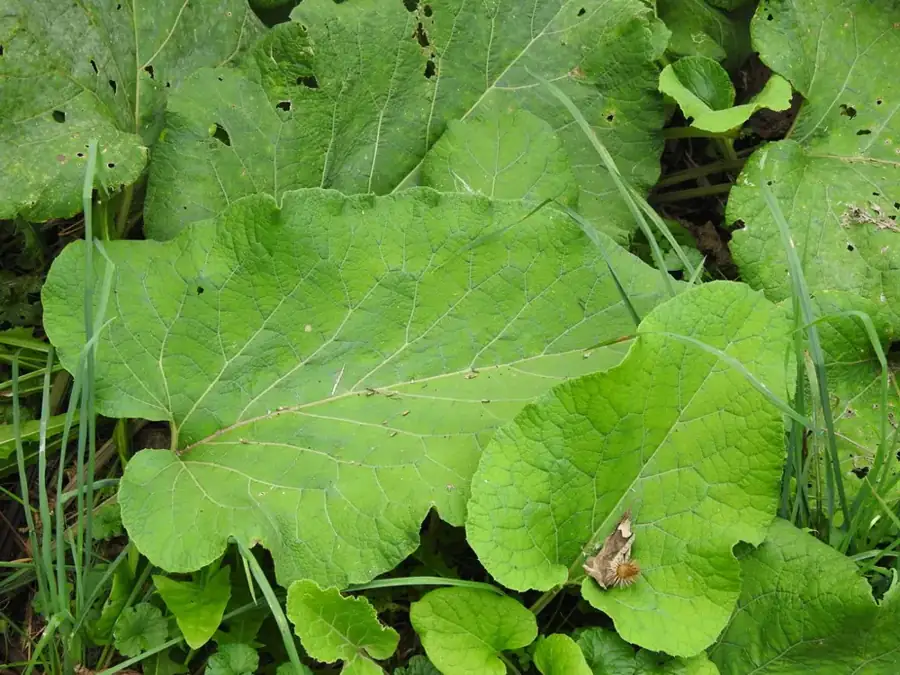
A large biennial with huge heart-shaped leaves and hooked burrs, grown and foraged for its long taproot.
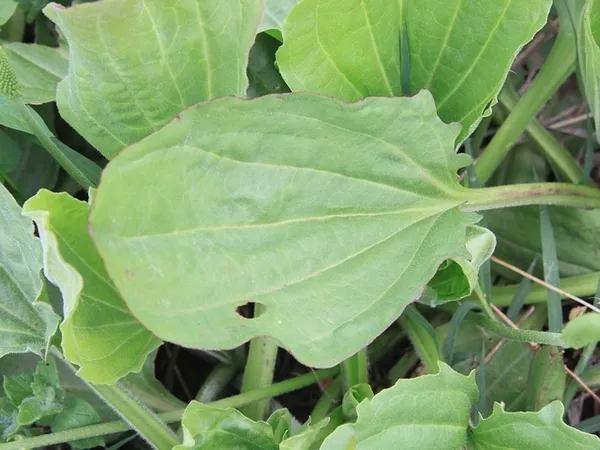
A broad-leaved rosette plant of compacted ground, with documented use of young leaves as cooked greens.
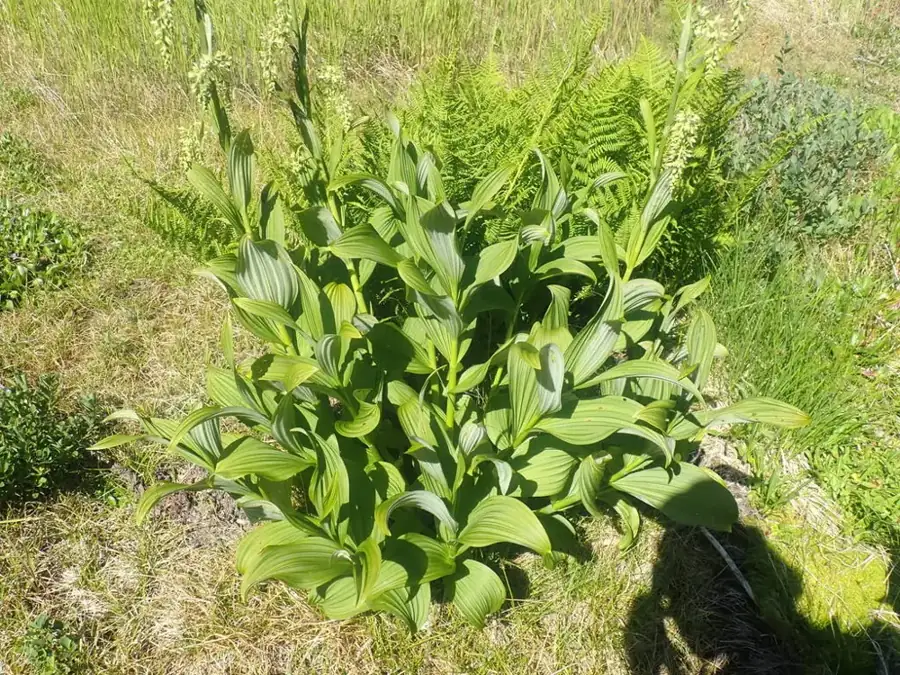
A tall wetland lily with strongly pleated leaves that emerge in spring beside ramps and other edible greens.
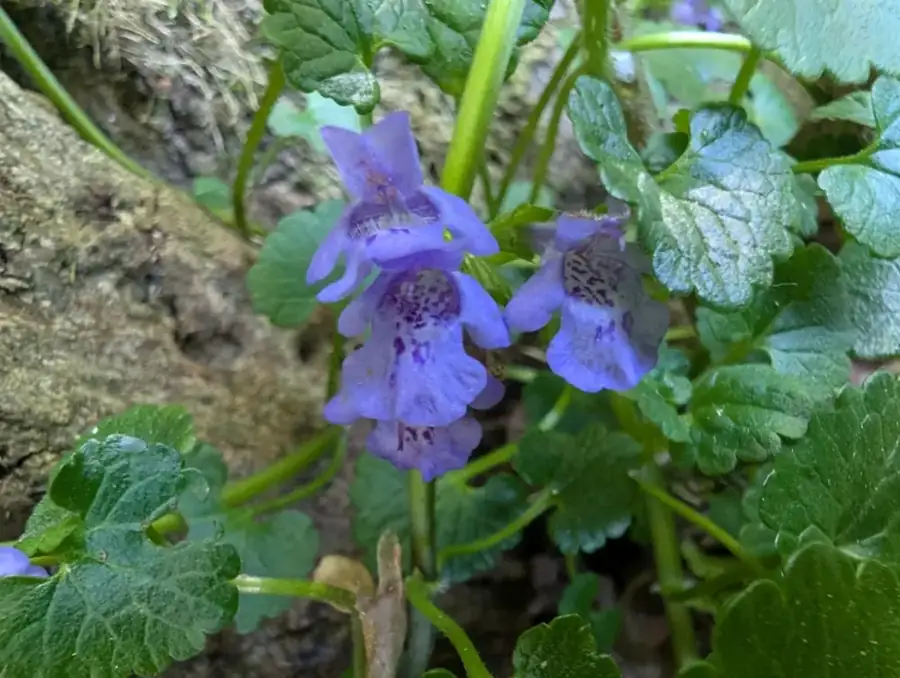
A creeping mint-family plant with scalloped round leaves, square stems and small violet flowers.
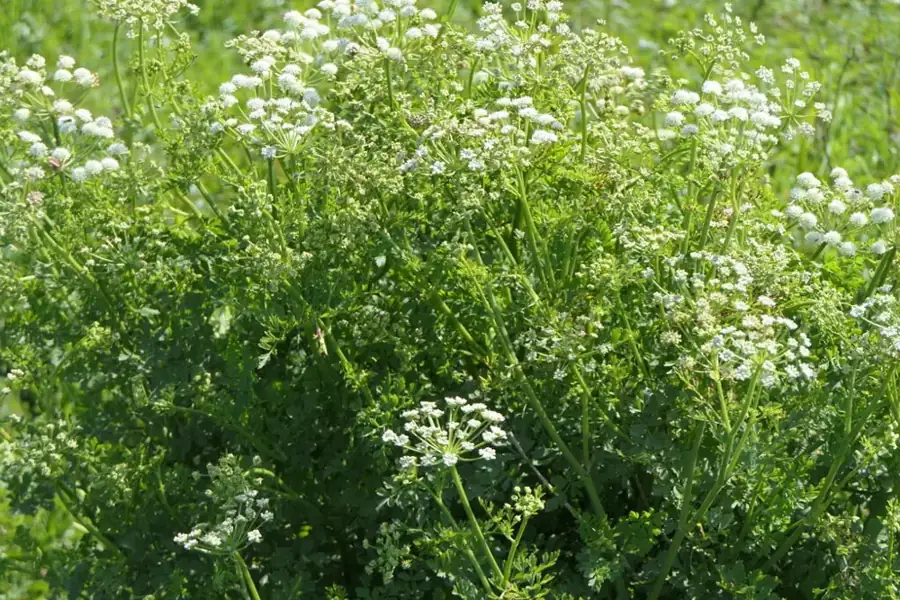
A stream-side umbellifer with celery-like leaves and pale tuberous roots, one of the most poisonous plants in Britain.
A clove-scented basil, sacred in Hindu tradition, grown in courtyards and used for tea.
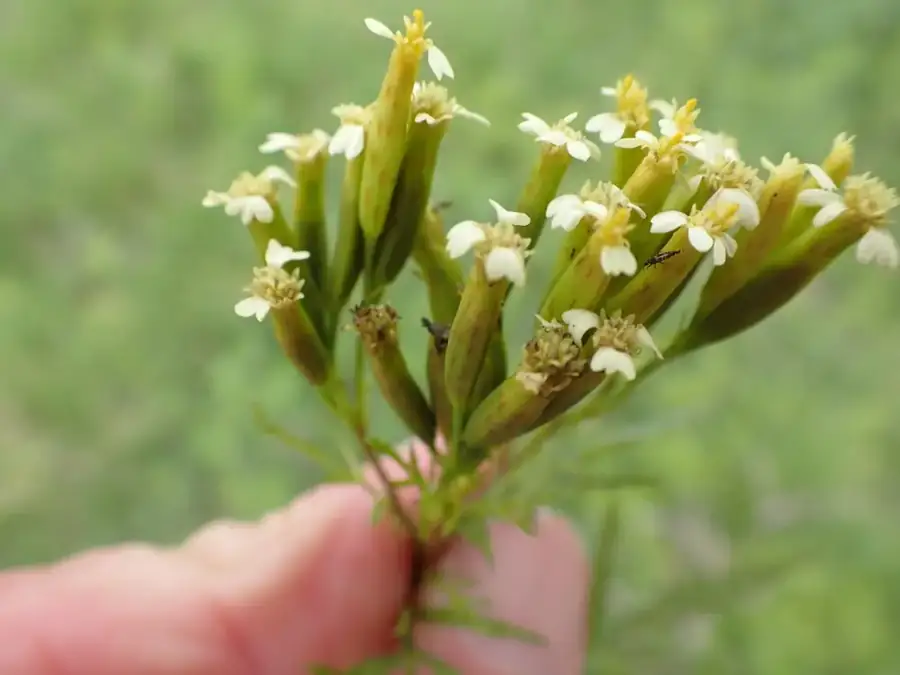
A tall, pungent marigold of the Andes used in Peruvian sauces such as ocopa.
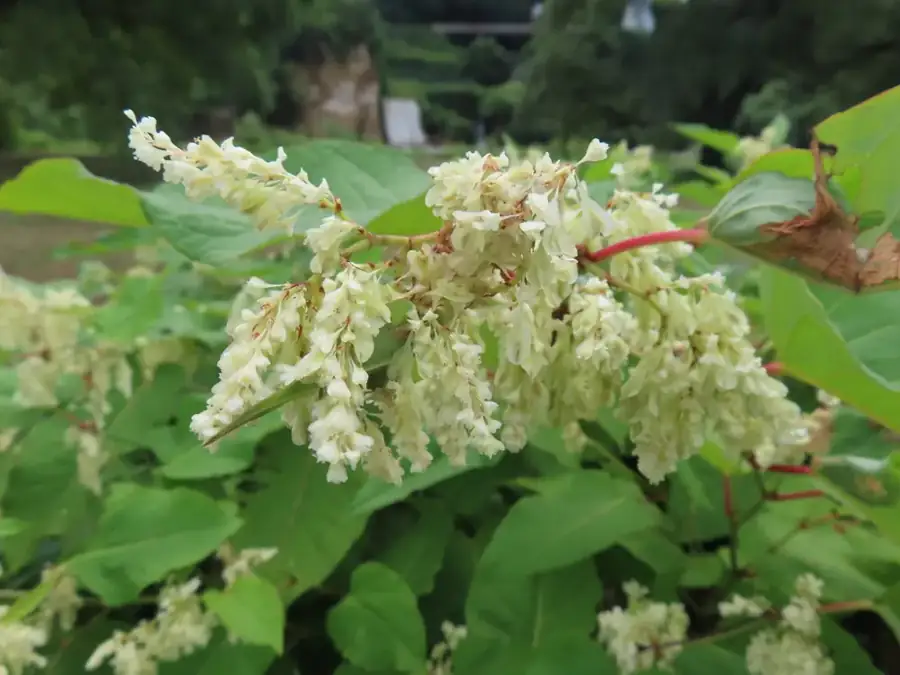
A highly invasive, bamboo-like plant whose young spring shoots taste like tart rhubarb.
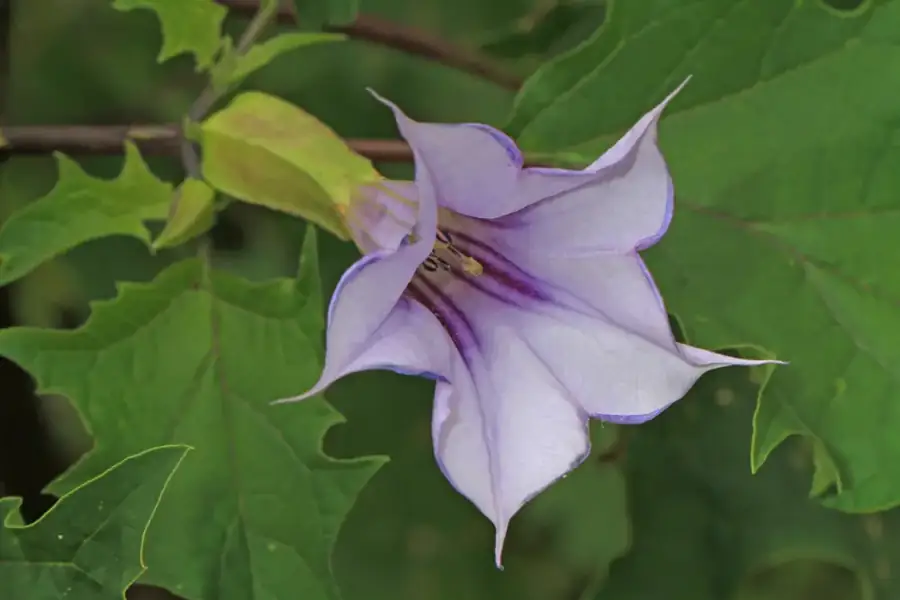
A rank-smelling weed with large white to violet trumpet flowers and spiny seed capsules, all parts highly toxic.
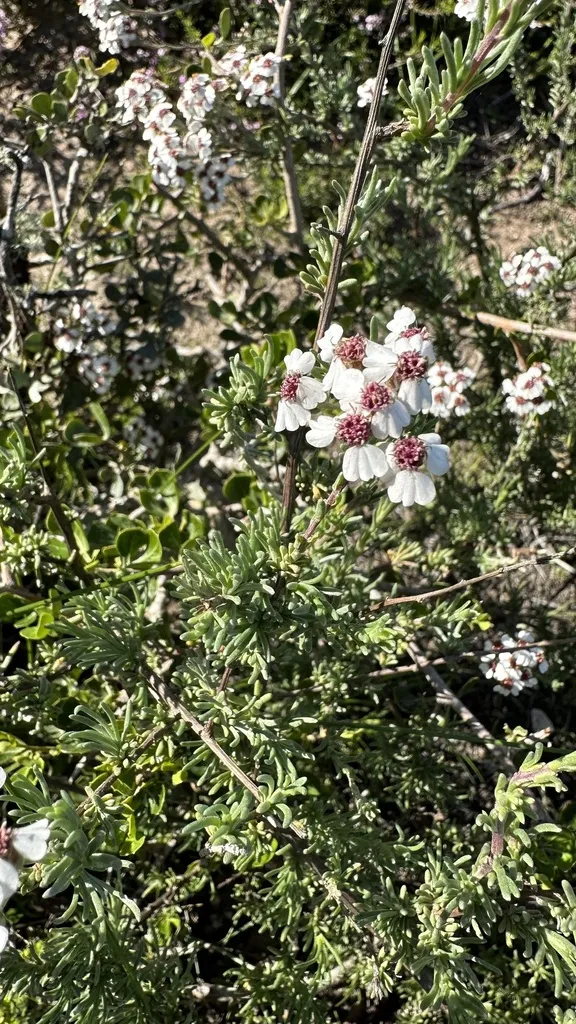
A silvery Cape shrub with narrow aromatic leaves and woolly fruit heads; distinct from culinary rosemary.
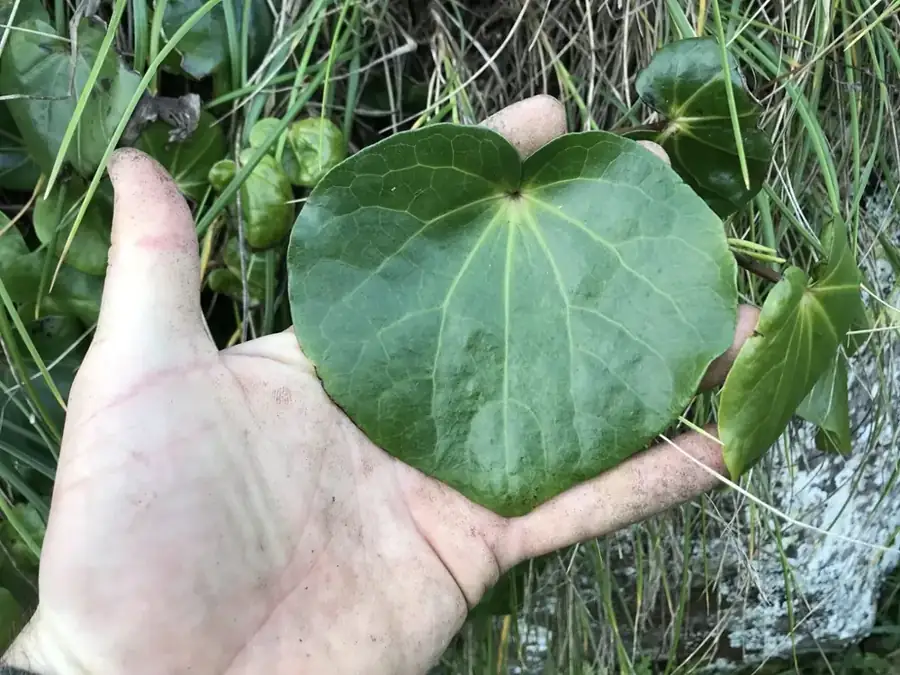
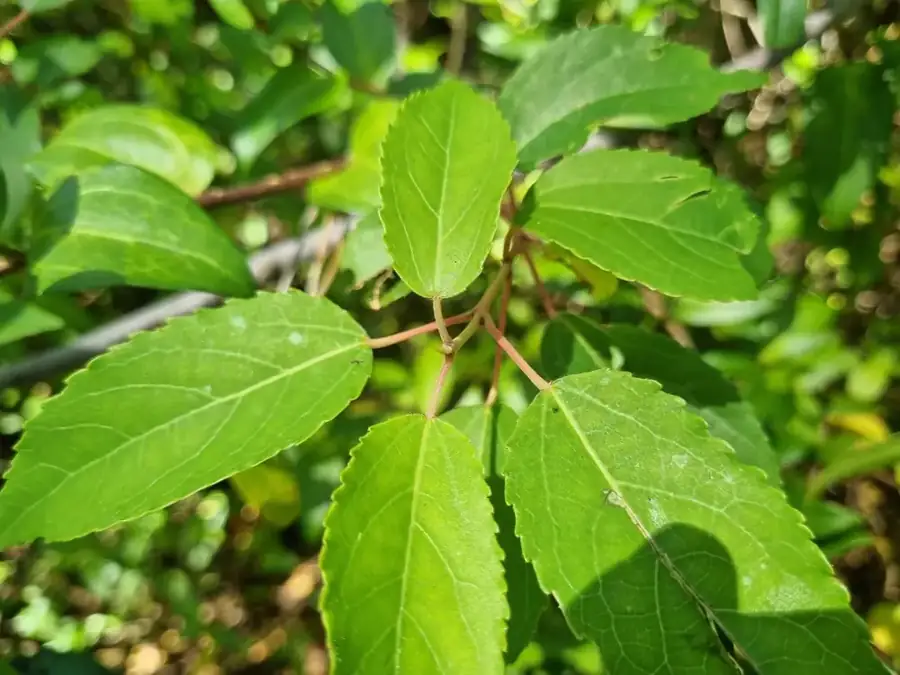
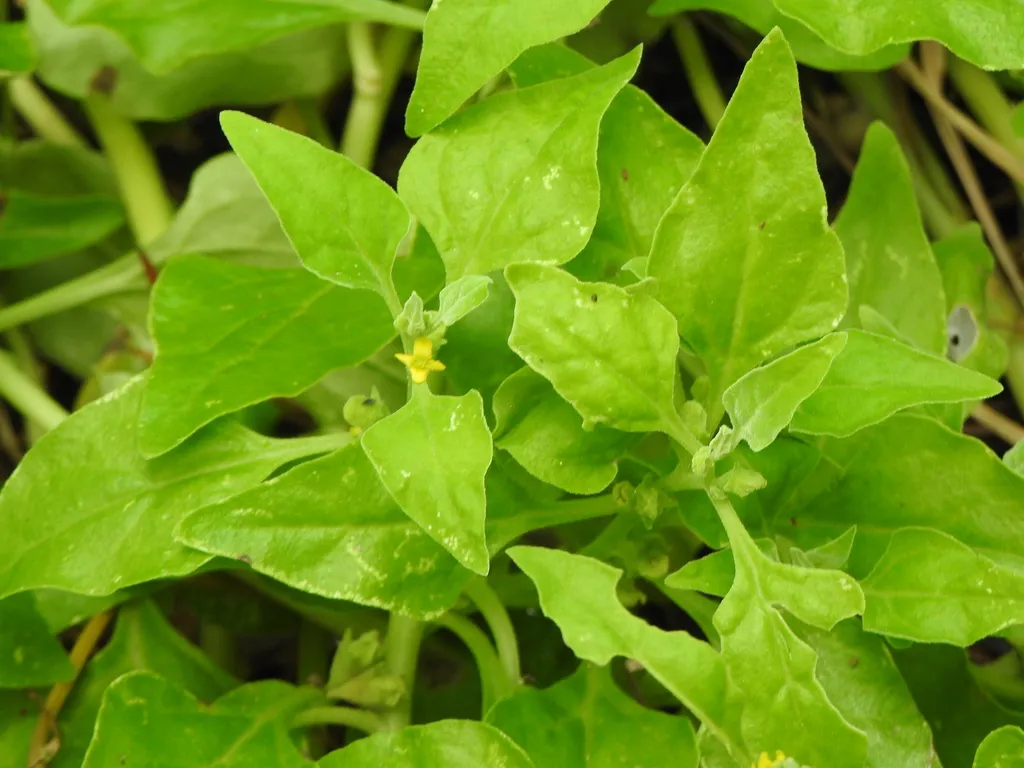
A New Zealand shrub with heart-shaped, often insect-holed leaves used in Māori rongoā and tea.
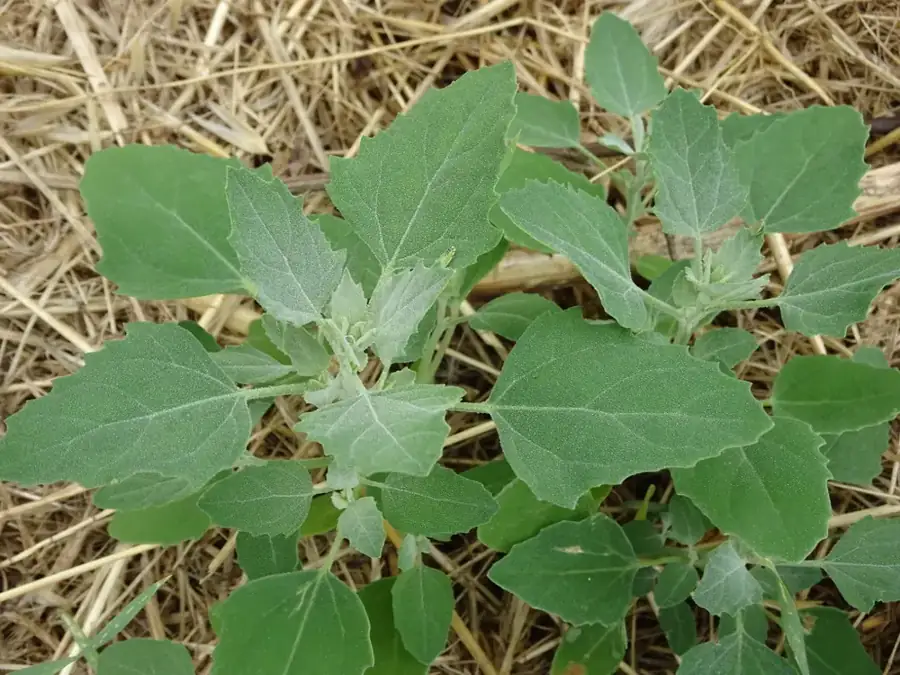
A common garden weed with goose-foot shaped leaves dusted in a white, mealy coating, eaten like spinach.
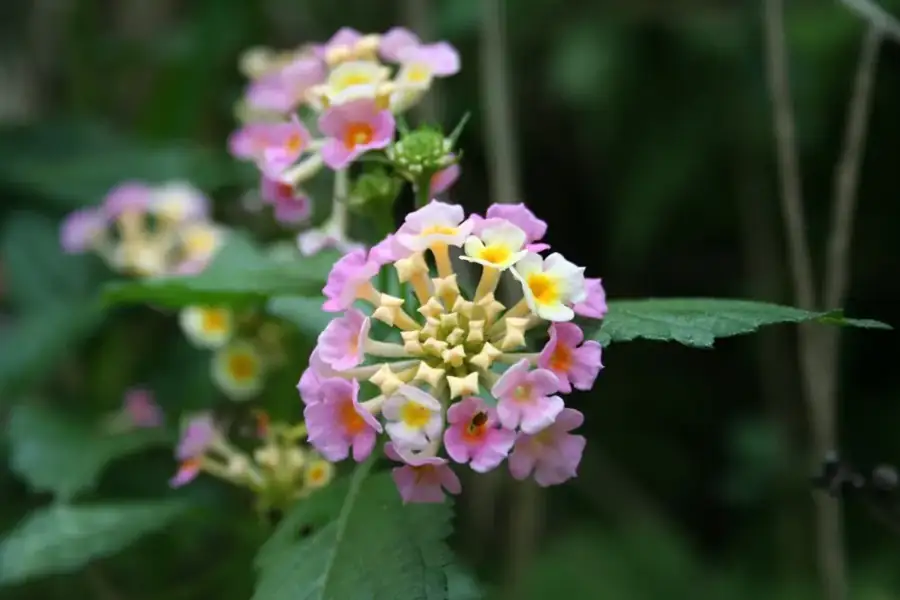
A rough, aromatic shrub with multicolored flower heads and blue-black berries; toxic and highly invasive in the tropics.
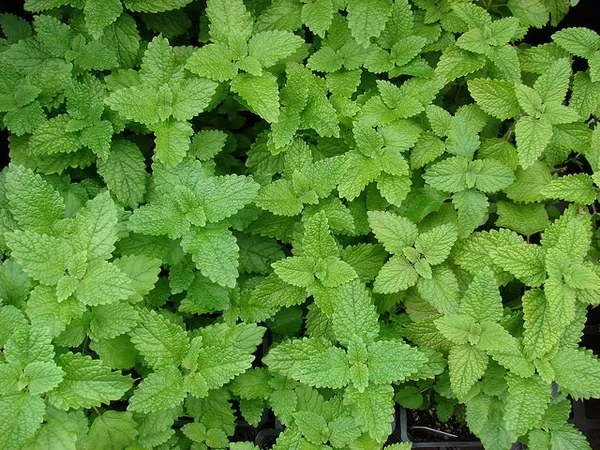
A cultivated and escaped mint-family herb with wrinkled leaves and a lemon fragrance.
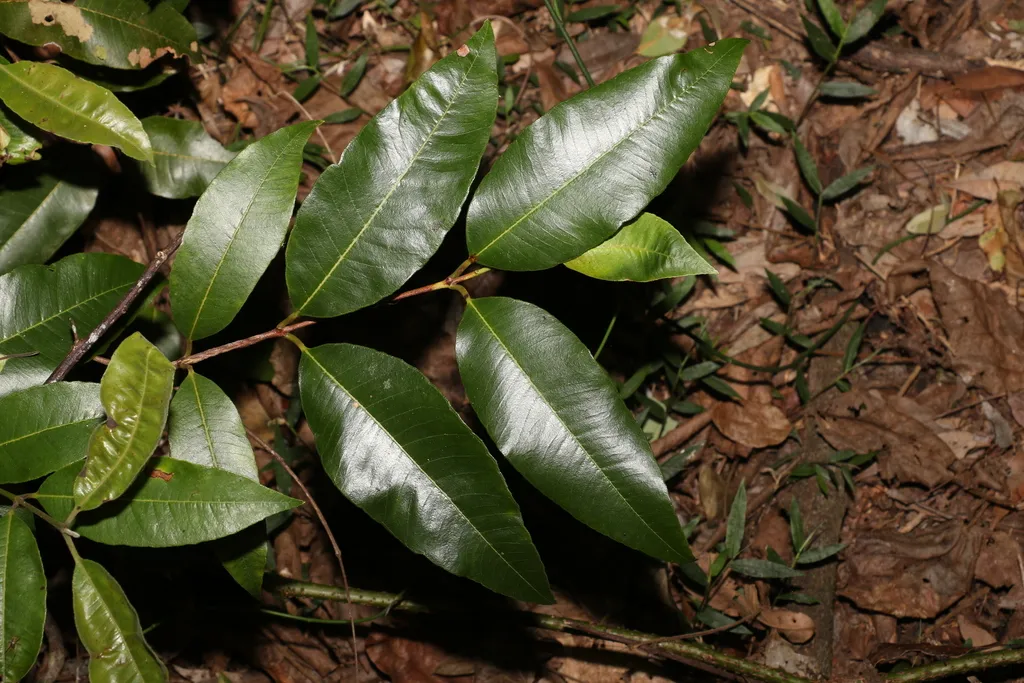
A Queensland rainforest tree with aromatic leaves, also cultivated as a bush-food ingredient.
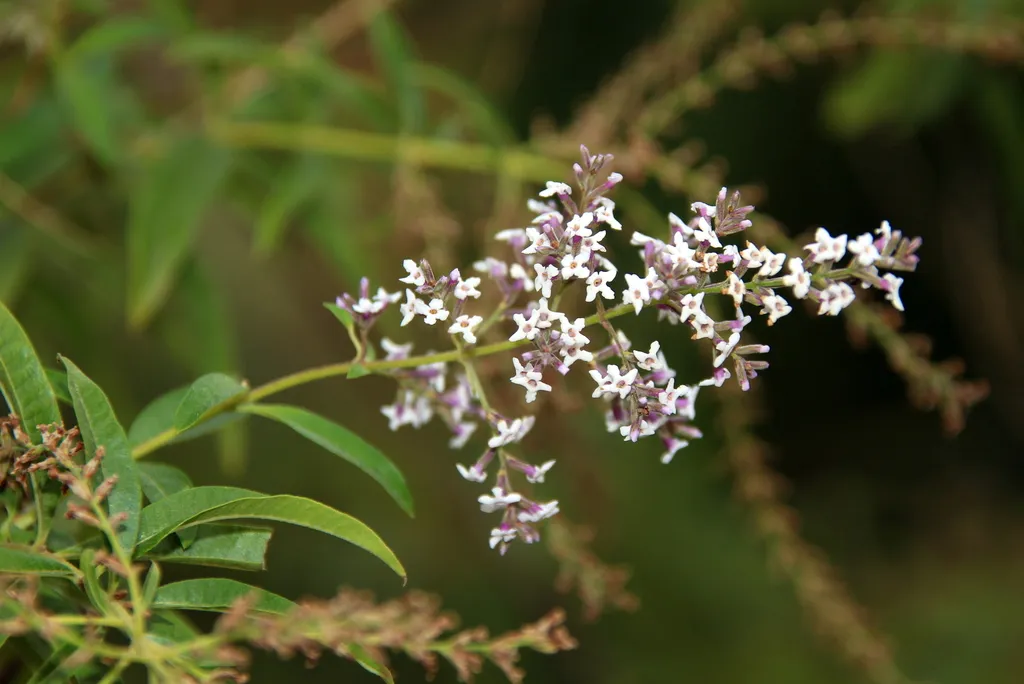
A South American aromatic shrub with narrow leaves, widely cultivated for flavoring and herbal tea.
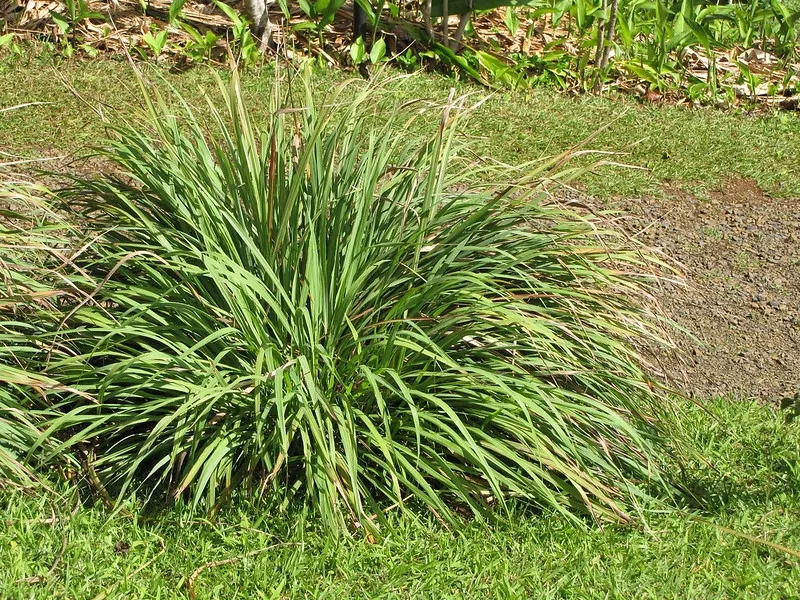
A clump-forming tropical culinary grass with lemon-scented blades and thick overlapping leaf bases.
A poisonous woodland and garden plant whose spring leaves can be mixed with wild garlic.
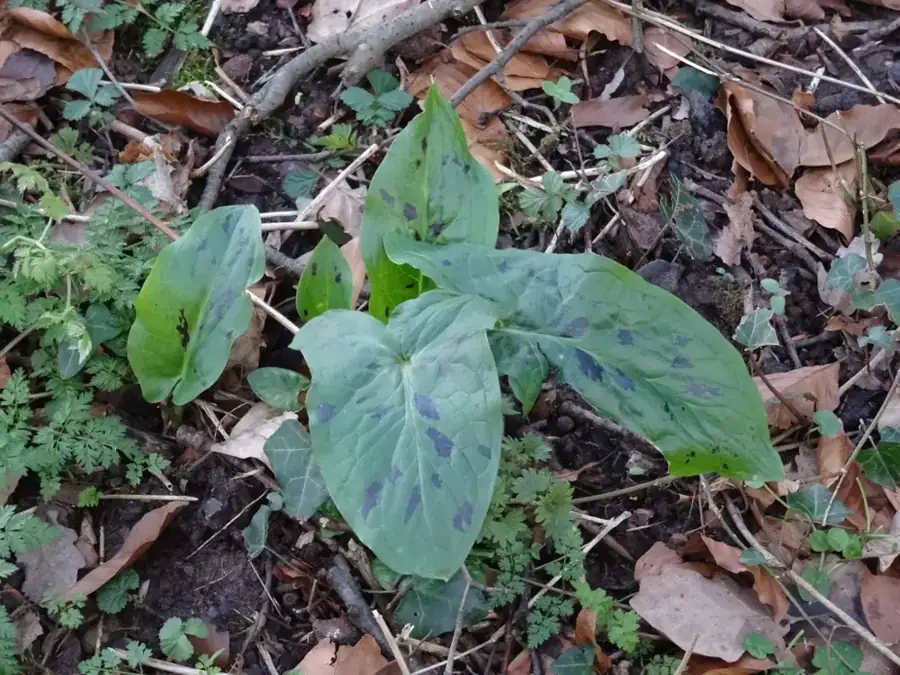
A woodland arum with glossy arrow-shaped leaves and a spike of orange-red berries, often growing among wild garlic.
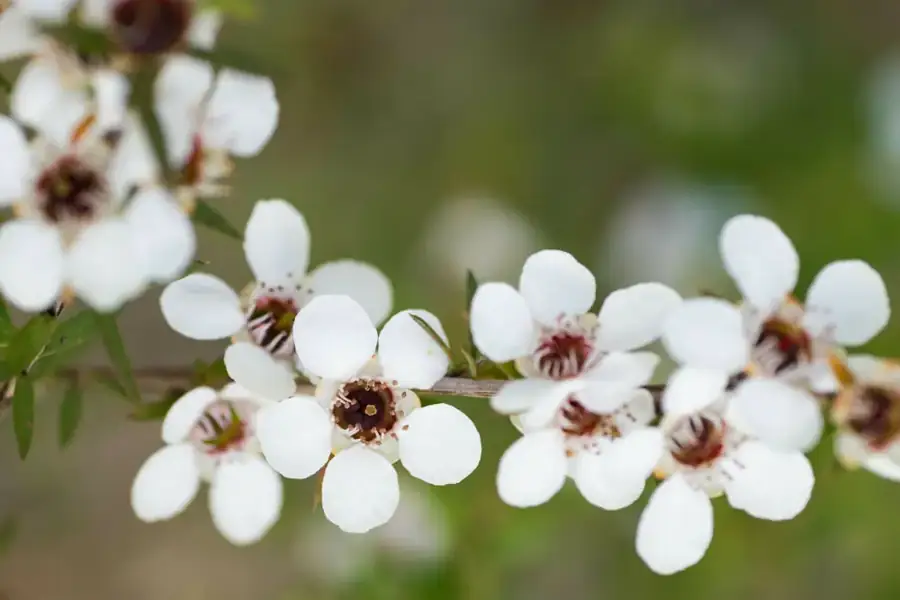
A prickly-leaved myrtle shrub of New Zealand and Australia with small white flowers, known for manuka honey.
A Chilean shrub with glossy leaves on red stalks and dark purple berries rich in anthocyanins.
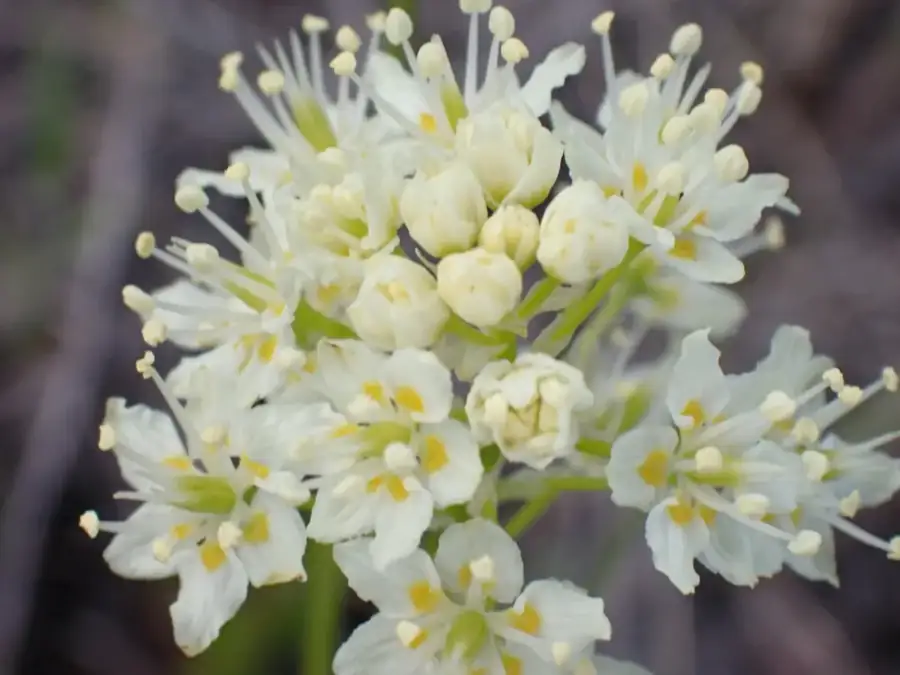
A western grassland bulb with grass-like leaves and cream flower clusters that is deadly and grows among edible camas and wild onions.
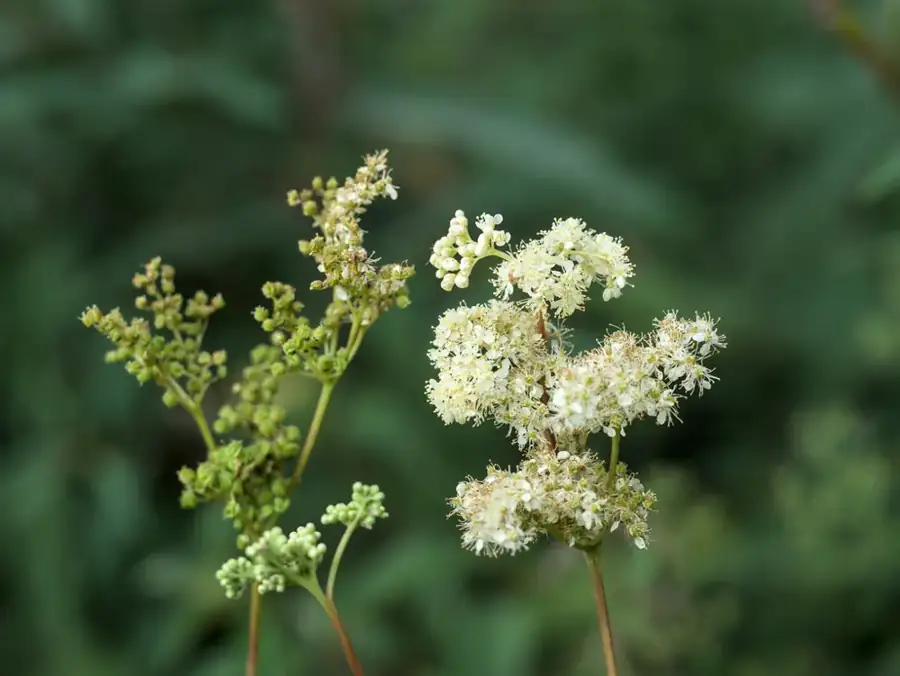
A tall wetland herb with frothy, almond-scented cream flower heads and dark green pinnate leaves.
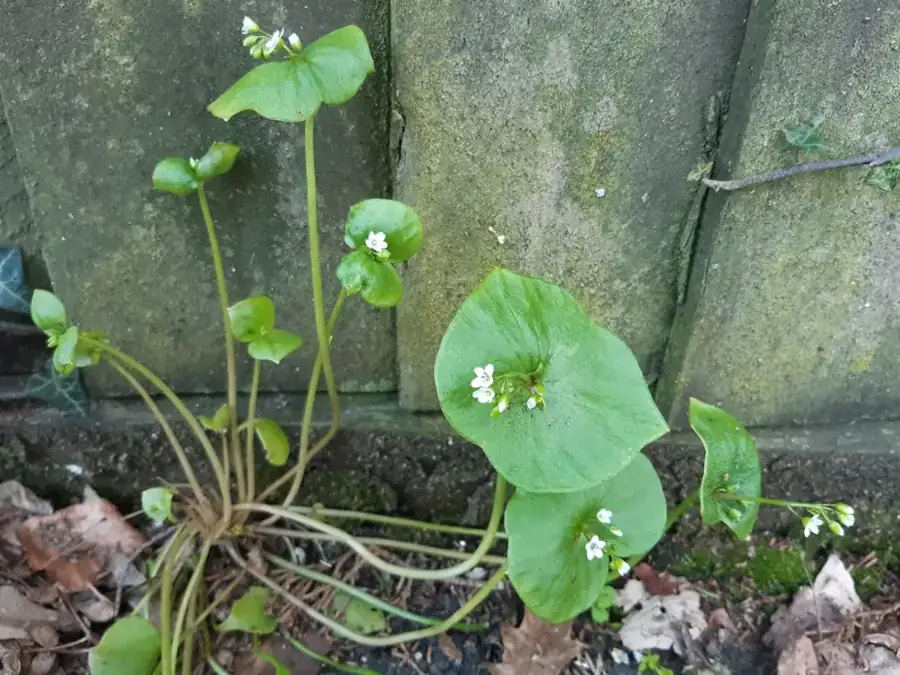
A tender spring green with round leaves that wrap fully around the stem, topped by tiny white flowers.
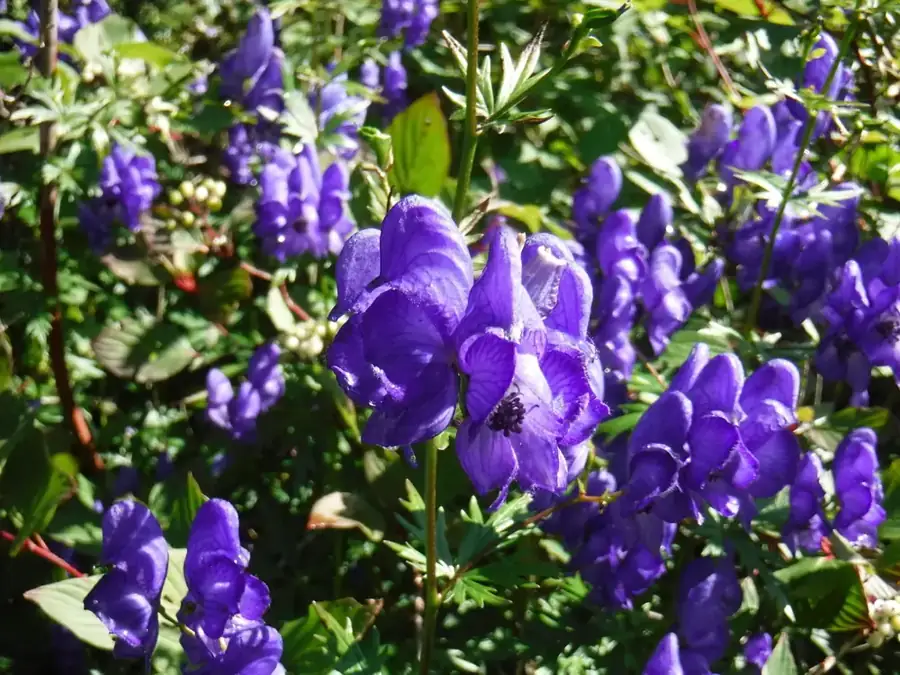
A tall perennial with hooded blue-purple flowers and deeply cut leaves; one of the most toxic plants in Europe.
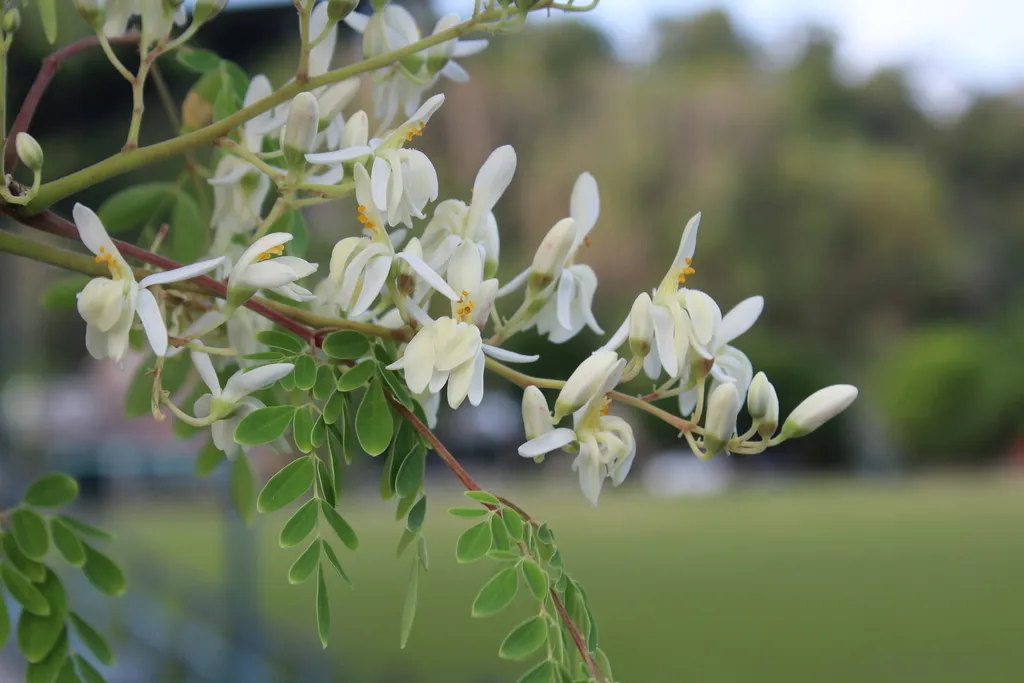
A tropical cultivated tree with compound leaves and long angular pods used as vegetables.
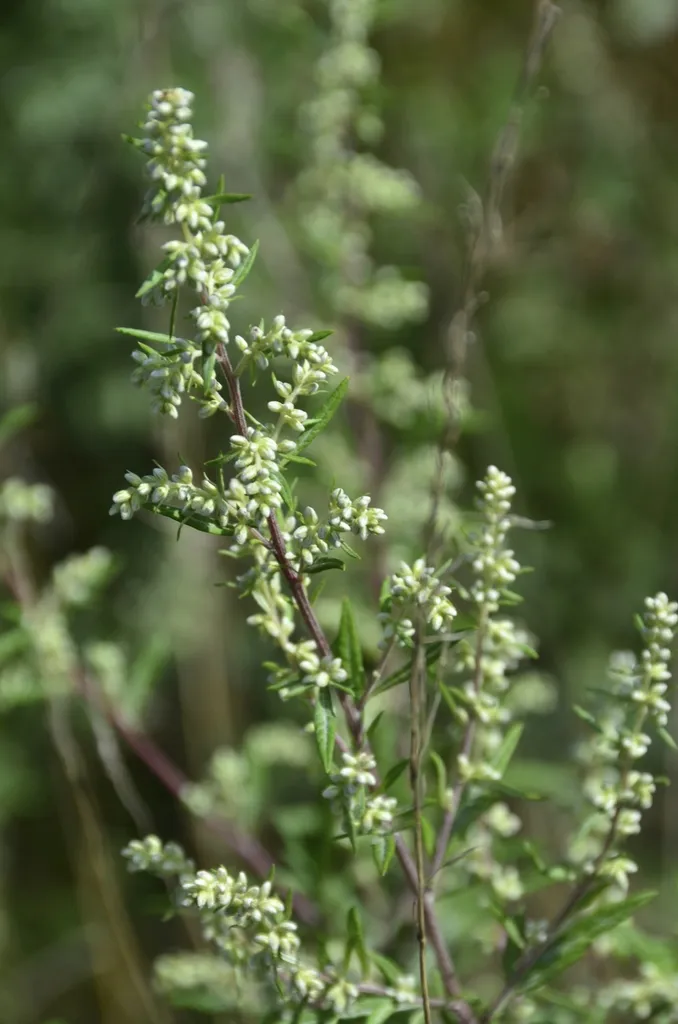
An aromatic perennial included for botanical study and the history of herbal practice.
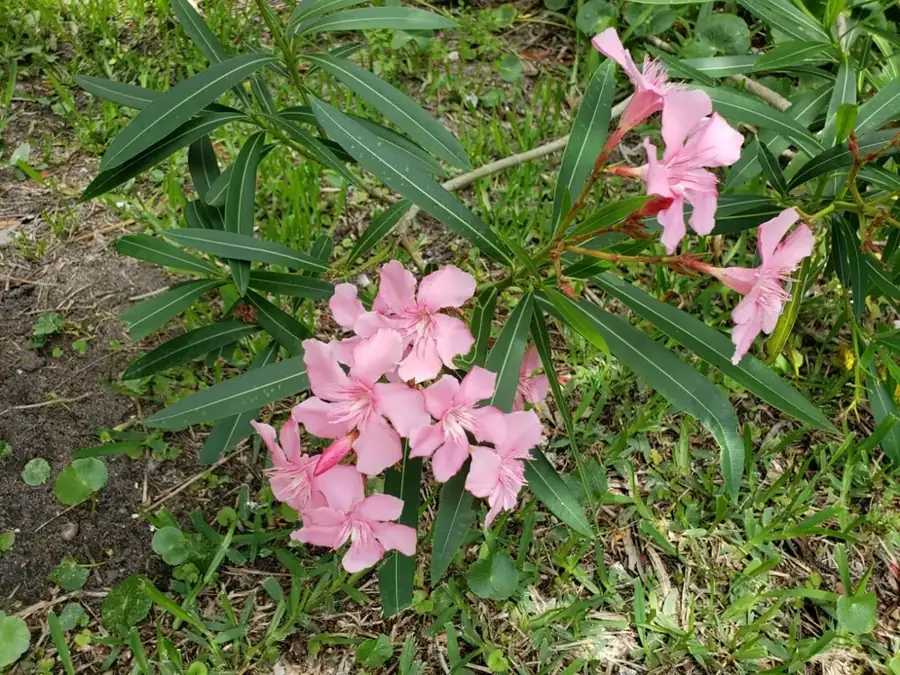
A common ornamental shrub with narrow leathery leaves and pink, white or red flowers, poisonous in every part.
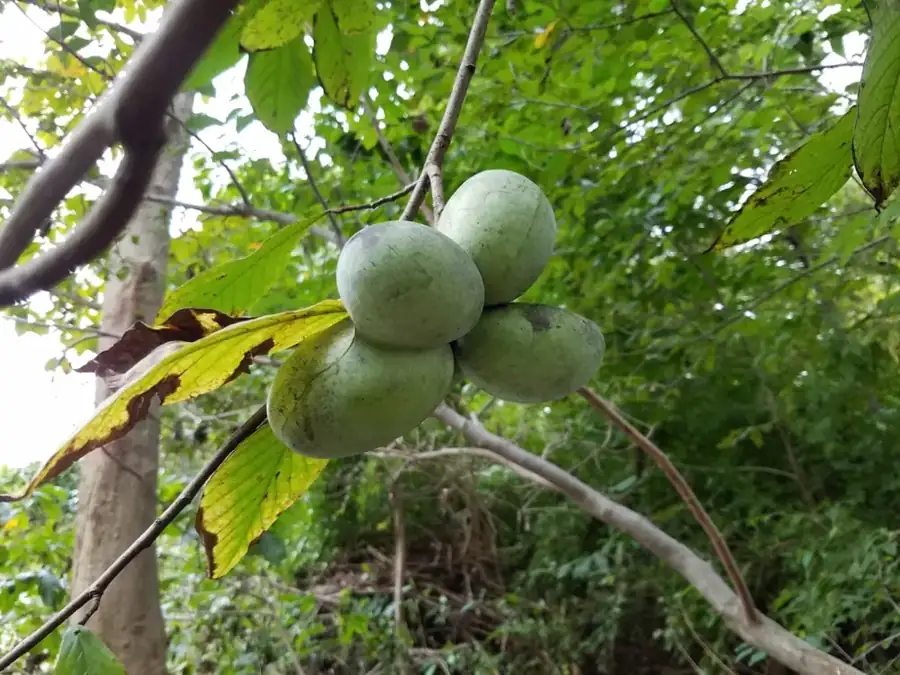
An understory tree of eastern North America with large drooping leaves and custardy tropical-tasting fruit.
An aromatic mint that is harmful if eaten; mint fragrance is not an edibility guarantee.
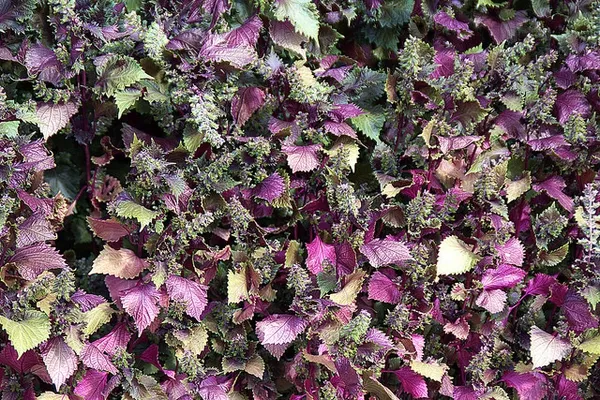
An Asian culinary mint-family annual with broad aromatic leaves and cultivated green or purple forms.
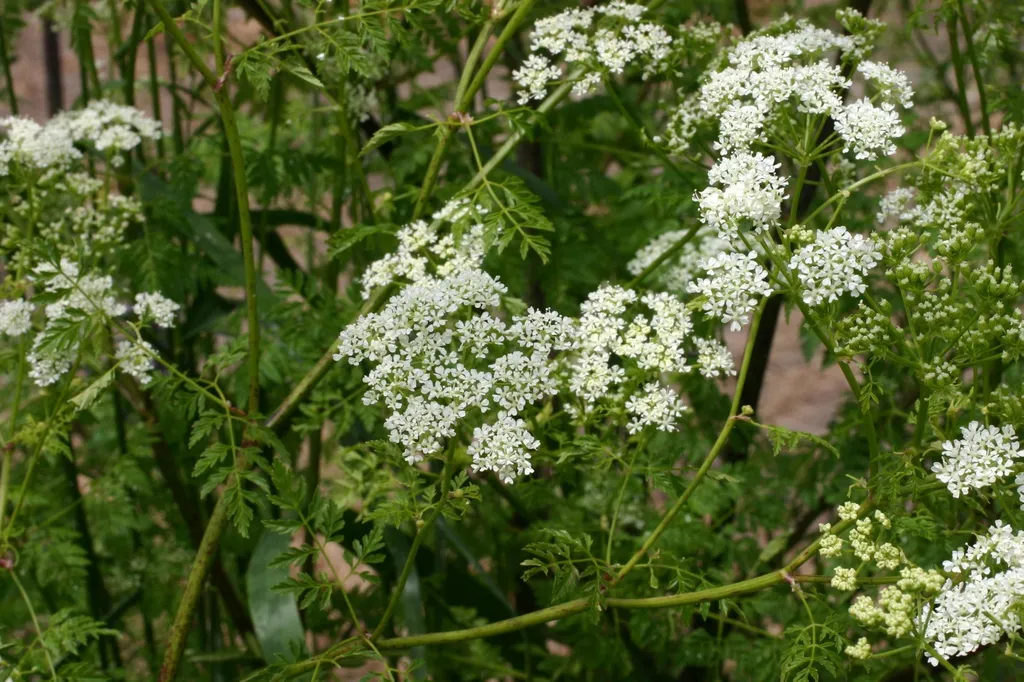
A potentially fatal carrot-family plant that must be learned alongside edible-looking umbels.
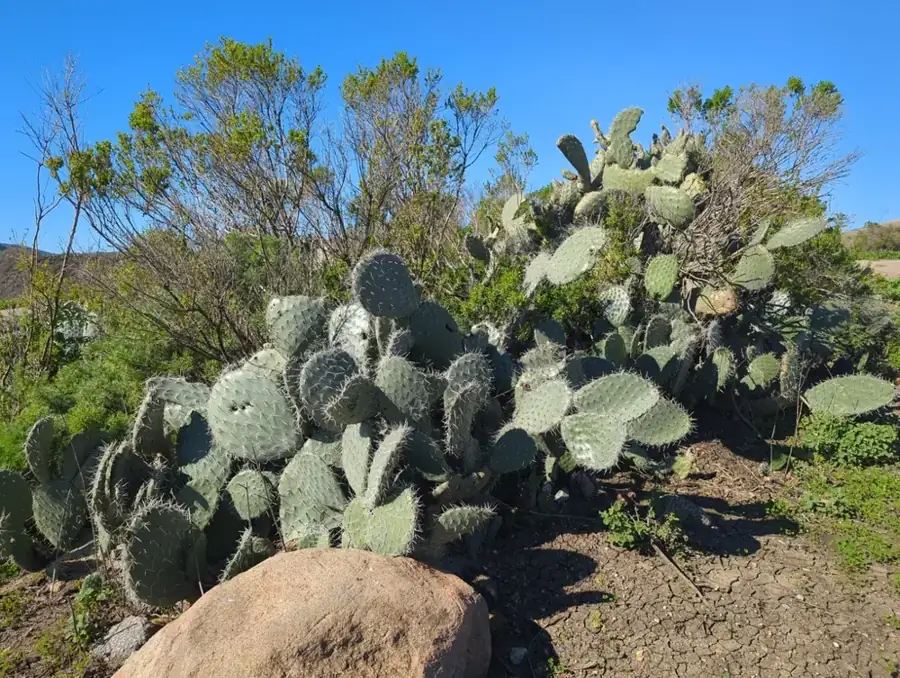
A large cactus with flat, spiny pads and sweet red to yellow fruits covered in tiny barbed hairs.
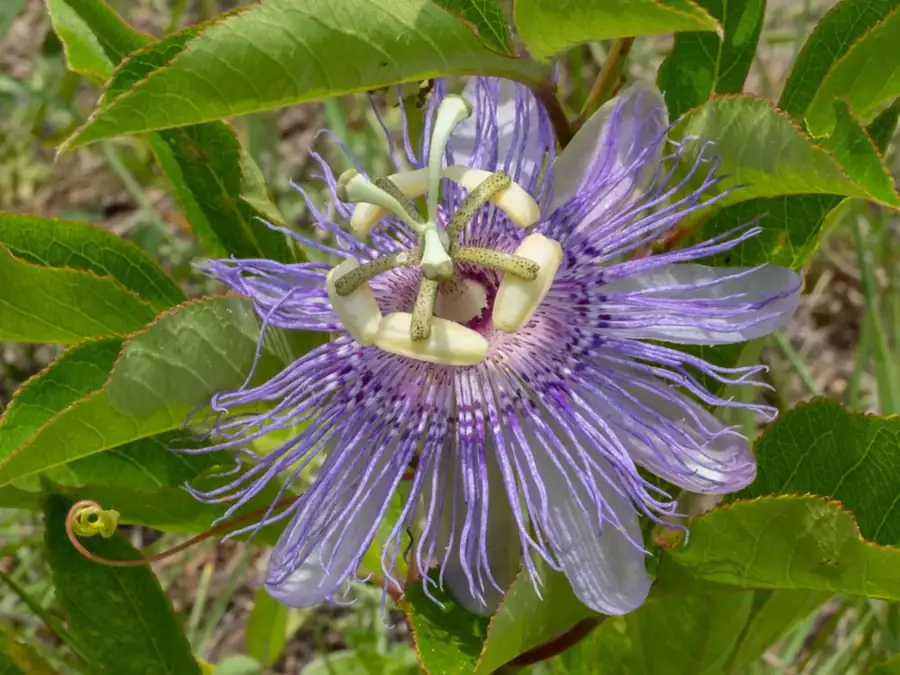
A southeastern American vine with intricate purple fringed flowers and egg-shaped fruits that pop when stepped on.
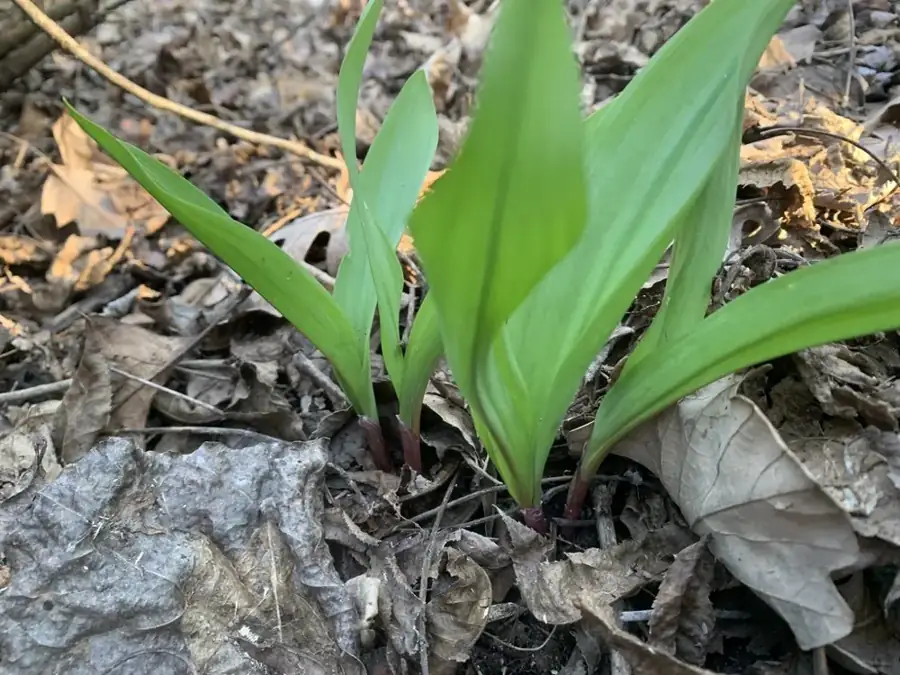
A spring woodland onion of eastern North America with broad, smooth leaves and a strong garlic-onion smell, sensitive to overharvest.
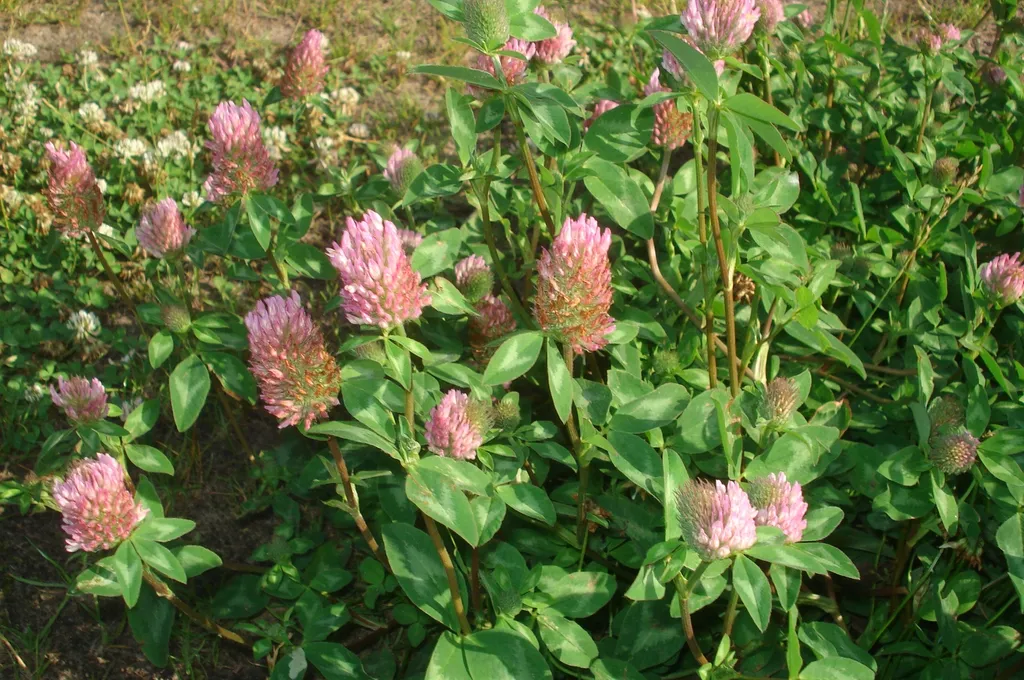
A common forage legume with pink flower heads; herbal products have separate safety questions.
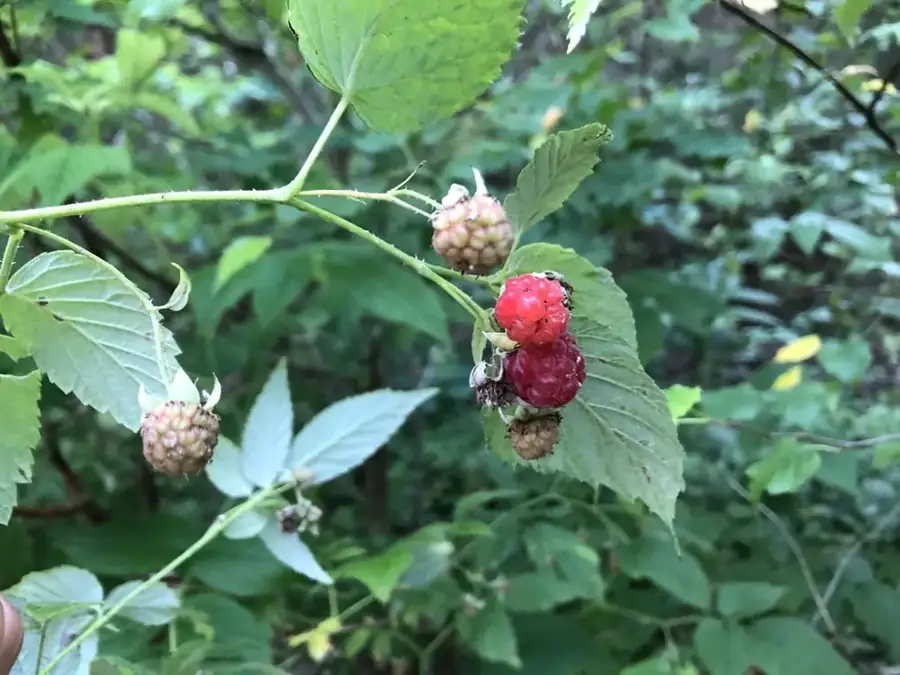
A bristly cane shrub of clearings and edges whose red fruits pull free from a white core.
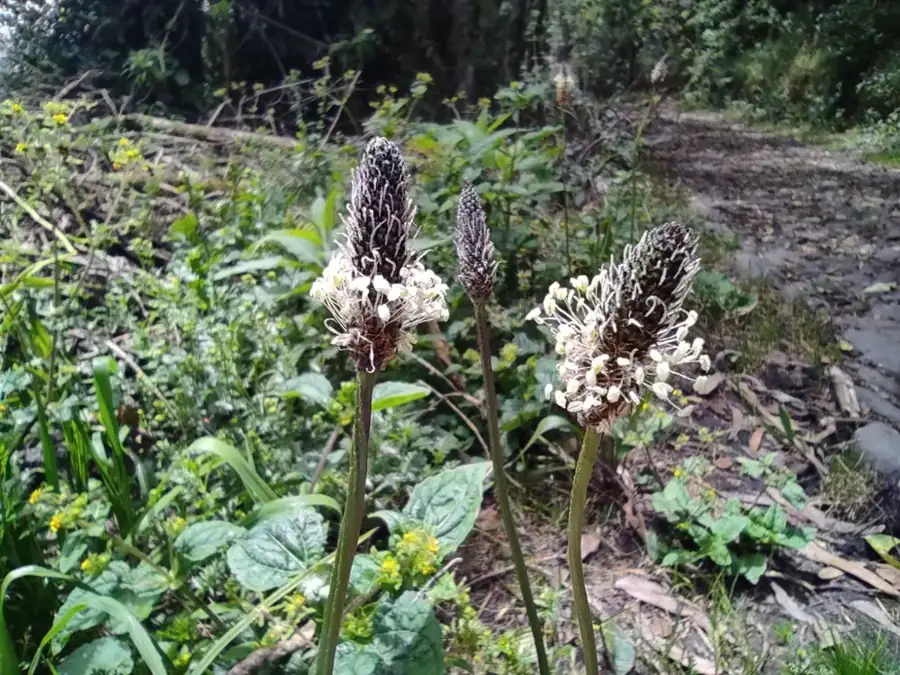
A lawn plantain with narrow, ribbed leaves and short dark flower heads ringed with white stamens.
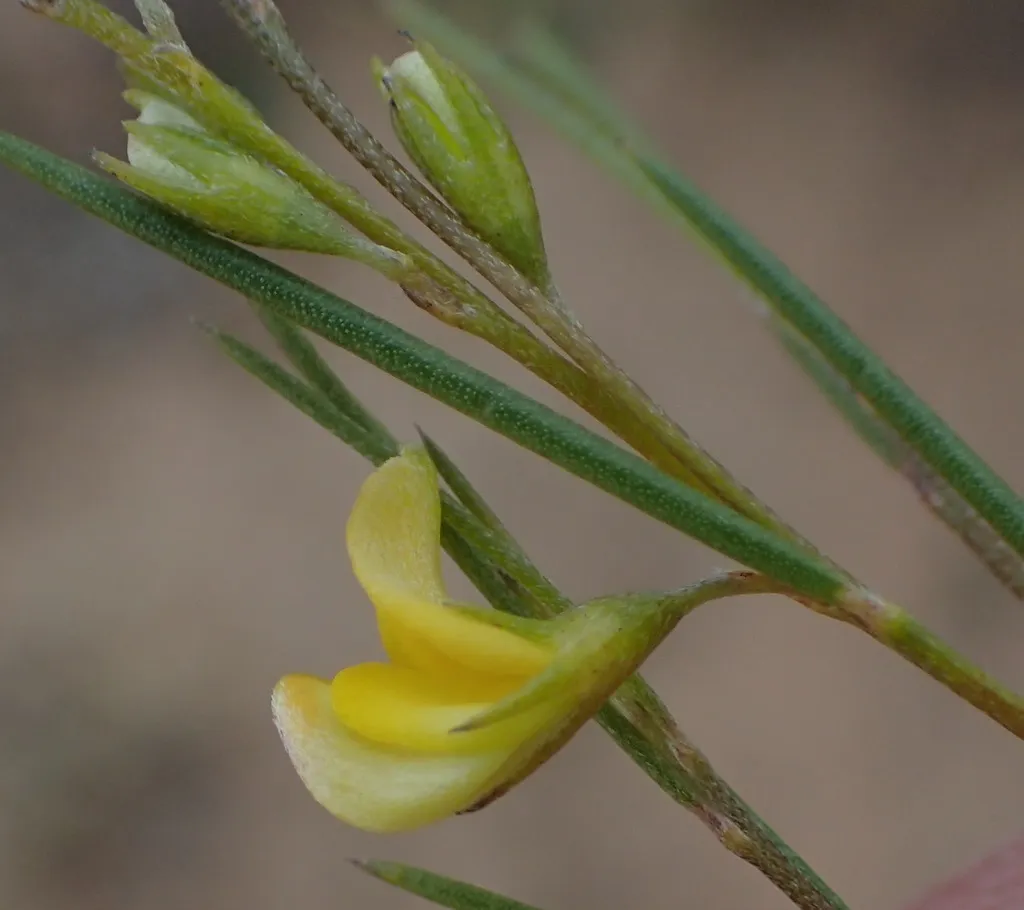
A South African fynbos shrub cultivated for tea, with a history rooted in the Cederberg region.
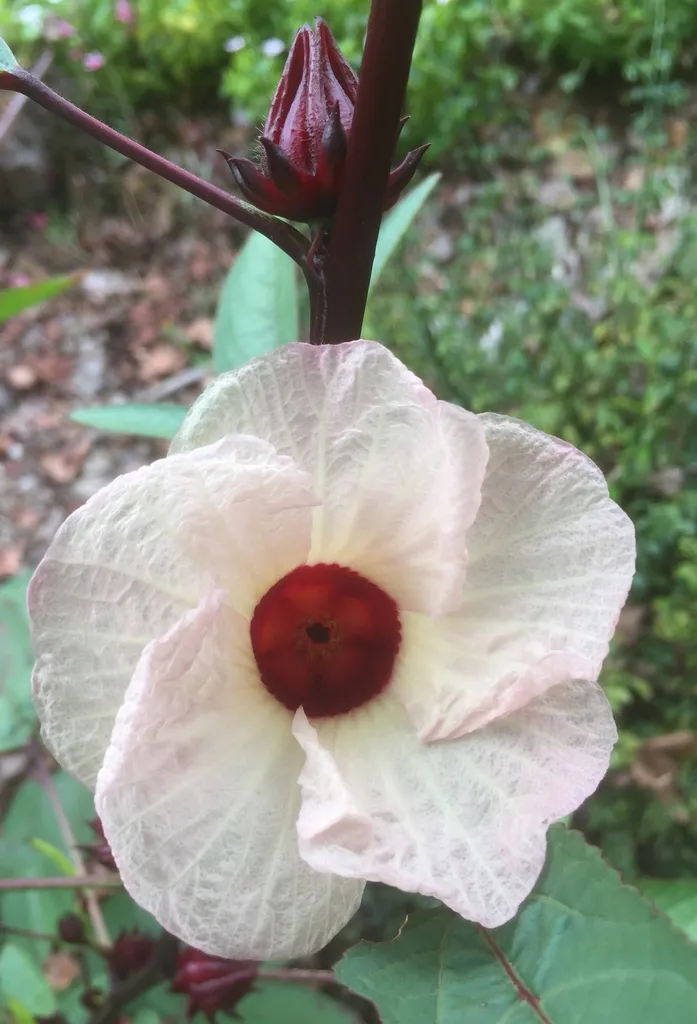
A tropical crop famous for tart red calyces. The familiar botanical name is Hibiscus sabdariffa.
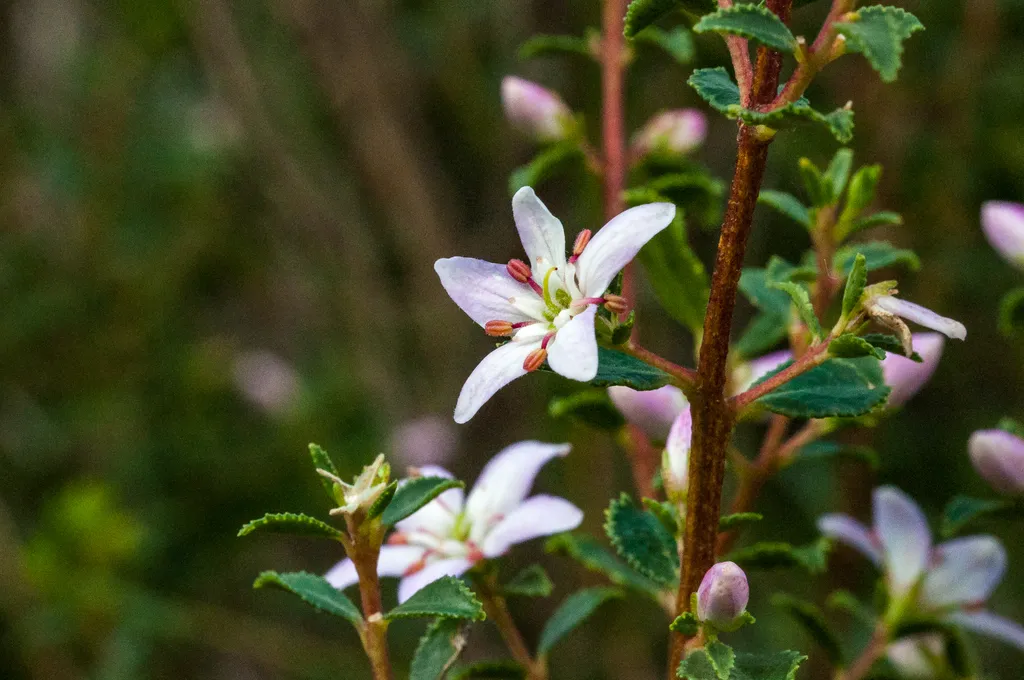
A Cape aromatic shrub included to explain botanical identity, traditional use and harvest pressure.
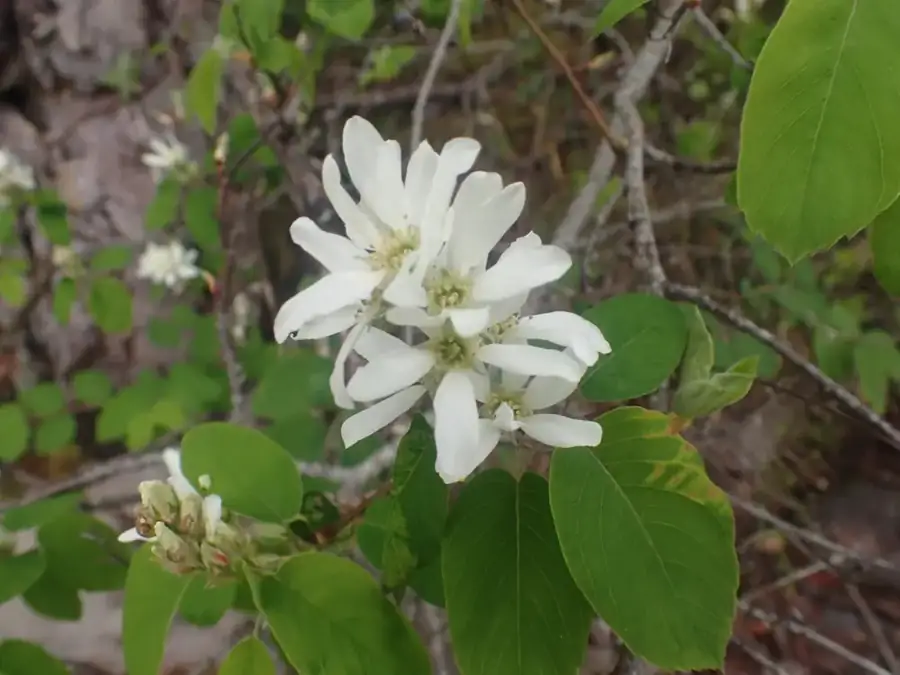
A western shrub with early white flowers and sweet, dark purple berries like small apples.
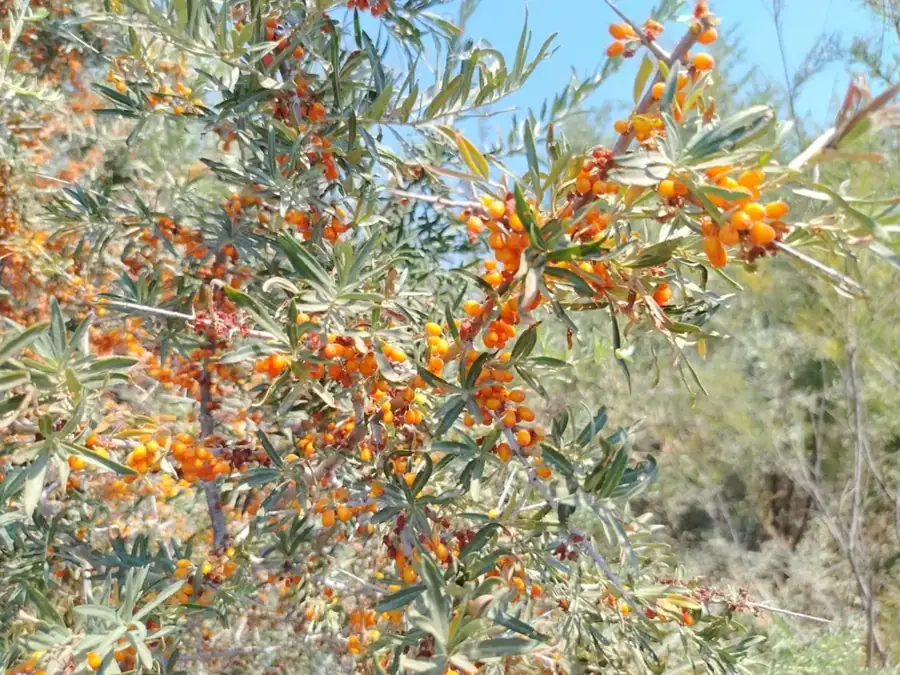
A thorny coastal and mountain shrub with silvery narrow leaves and dense clusters of tart orange berries.
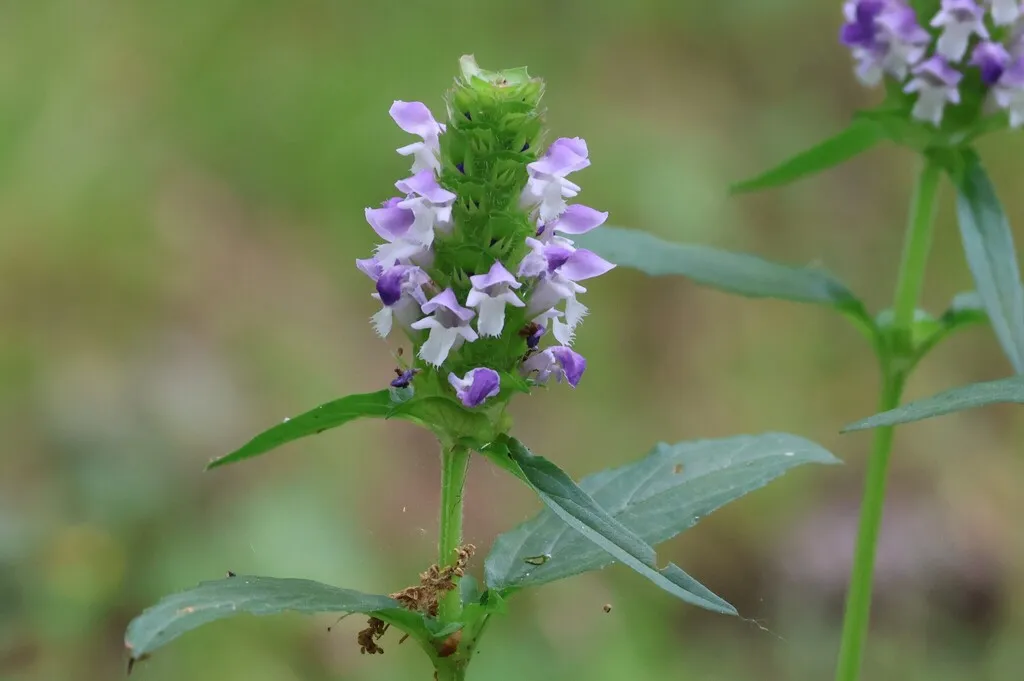
A low mint-family perennial with compact purple flower heads, included for botanical and traditional-use study.
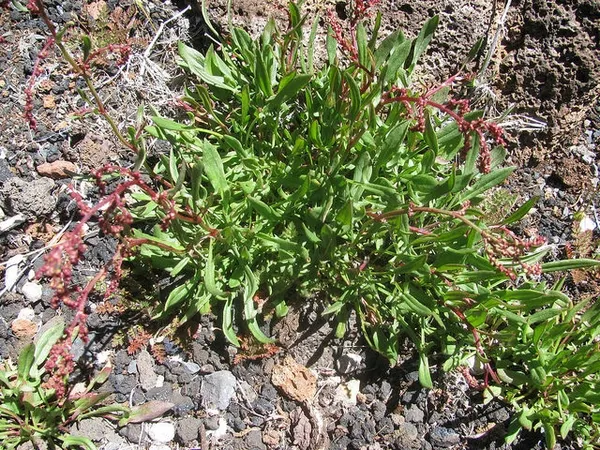
A small sorrel with arrow-shaped leaves, used sparingly for a tart flavor.
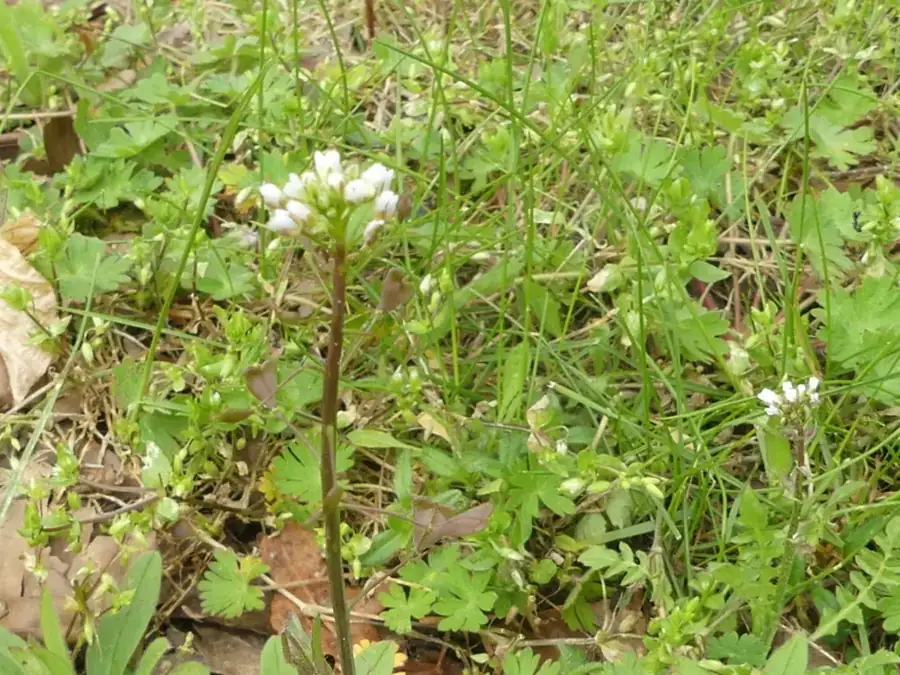
A tiny mustard of paths and gardens with heart-shaped seed pods and a peppery rosette.
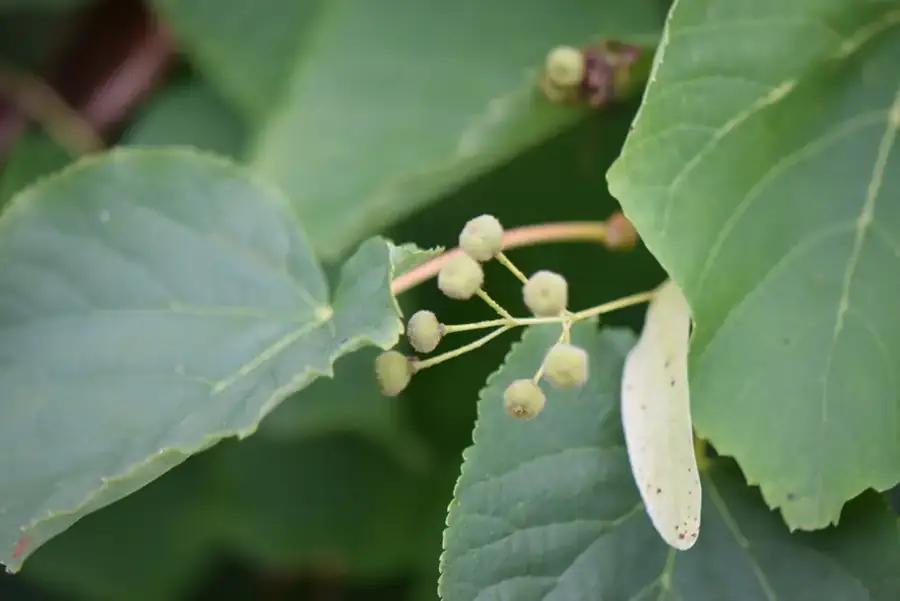
A large woodland tree with heart-shaped leaves and fragrant flowers hanging from a pale, wing-like bract.
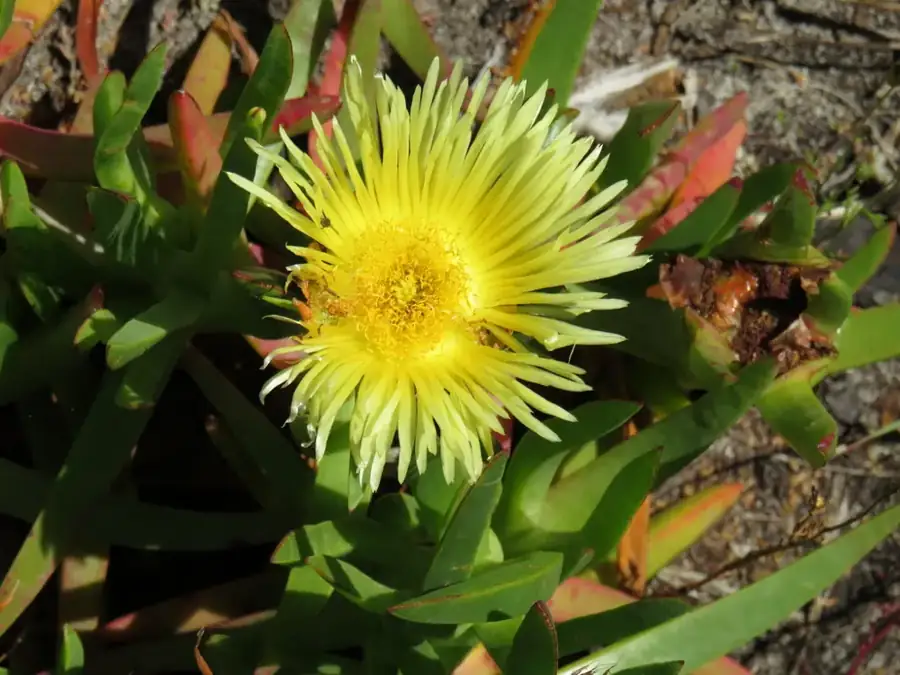
A trailing coastal succulent with three-sided leaves, large yellow to pink flowers and sour, sticky fruits.
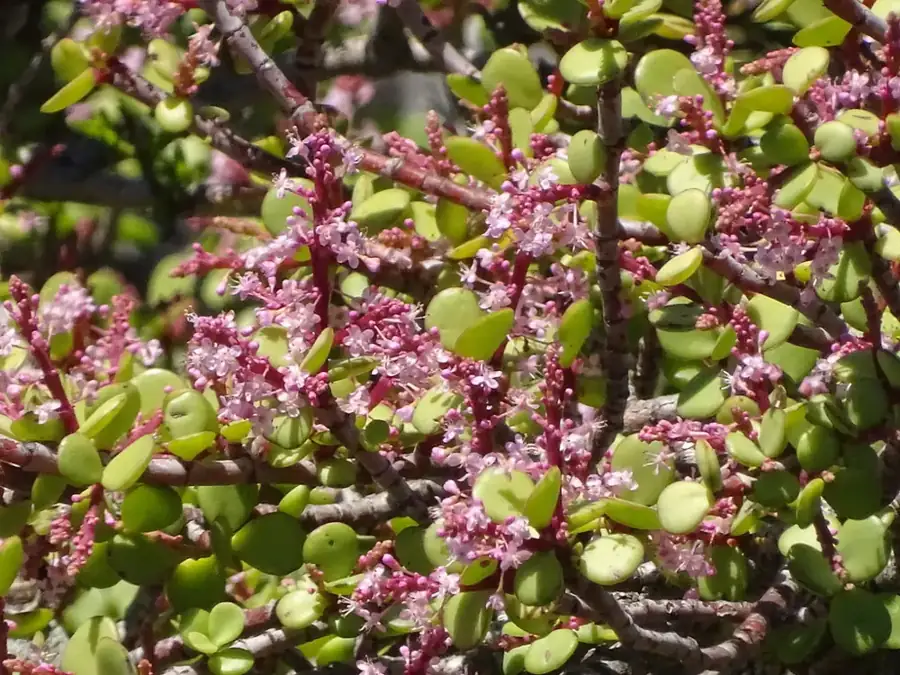
A succulent shrub of South African thicket with small round leaves on red stems that taste tart and lemony.
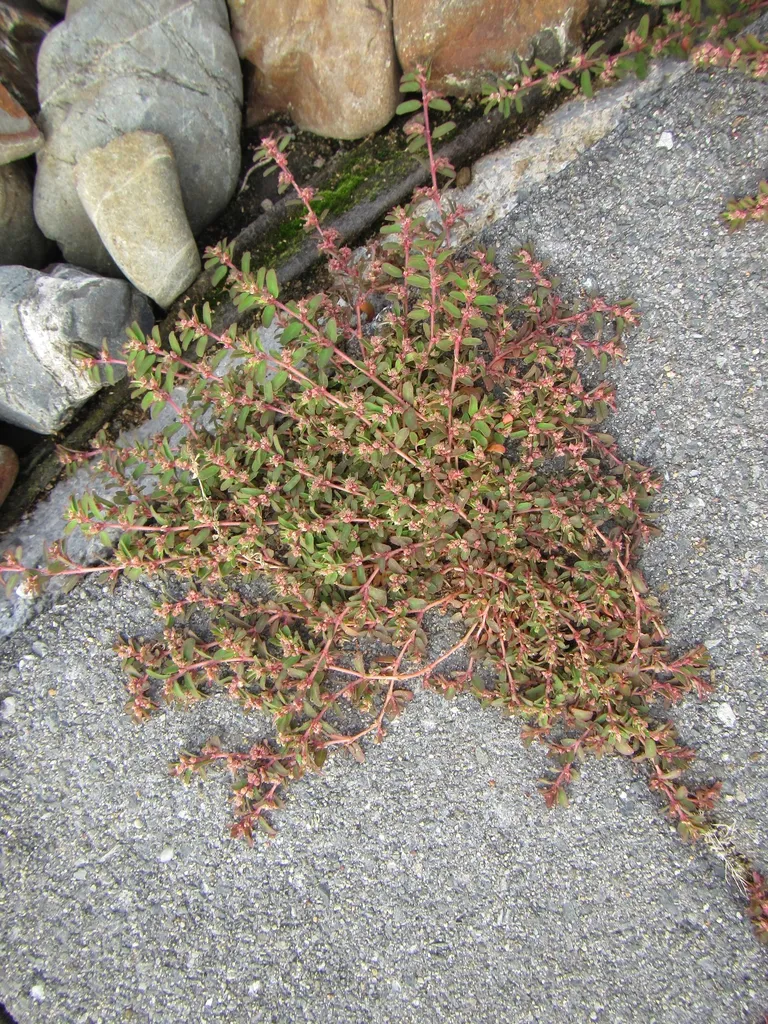
A low mat-forming spurge with irritating milky sap, easily overlooked among purslane.
A highly poisonous North American wetland plant; other Cicuta species are also dangerous.
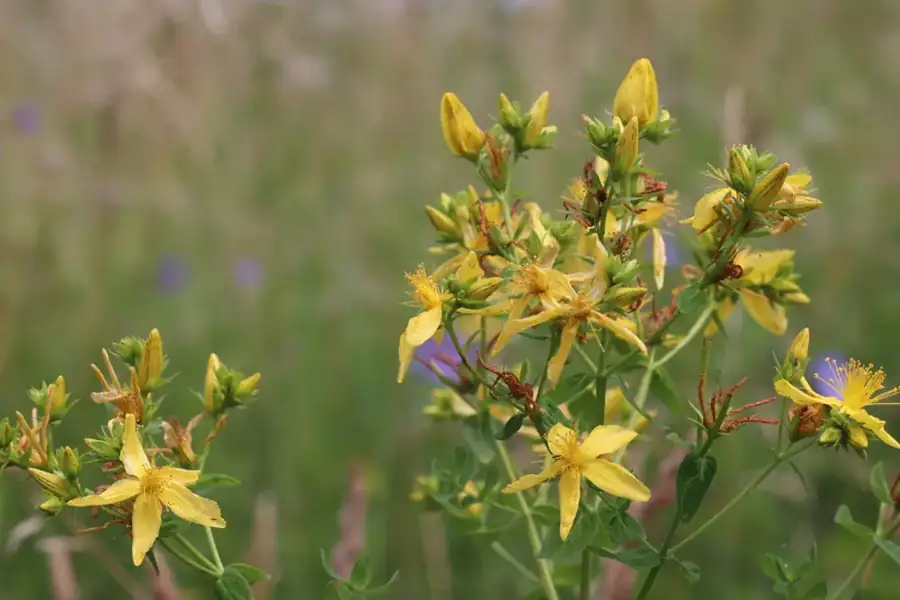
A meadow herb whose leaves show translucent dots against the light and whose yellow flowers stain fingers red.
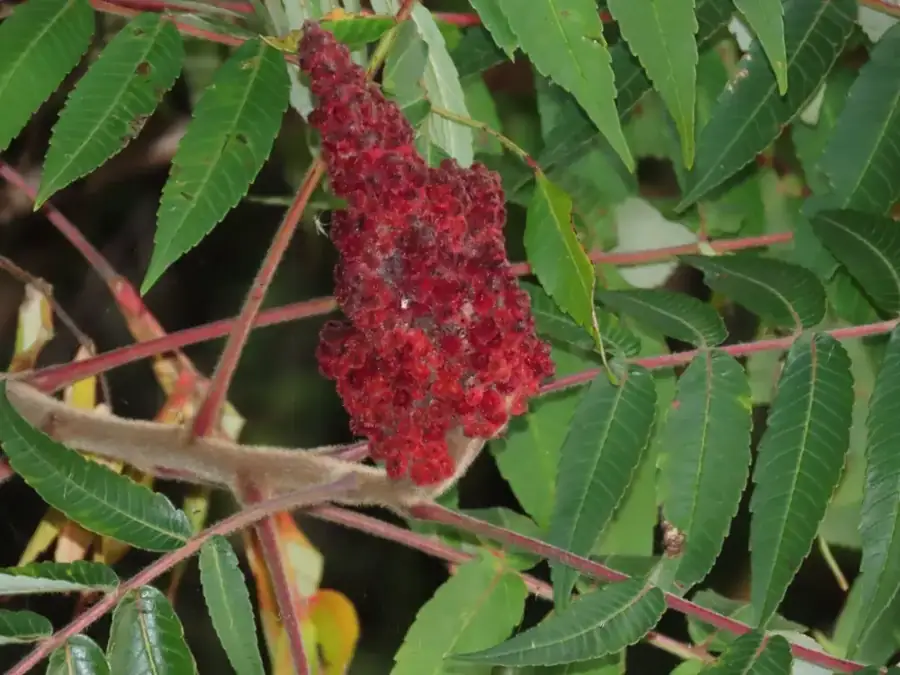
A shrub with velvety antler-like branches and upright cones of fuzzy red berries used for a lemony drink.
A colony-forming perennial of rich, damp ground; its young shoots have a documented cooked-food use.
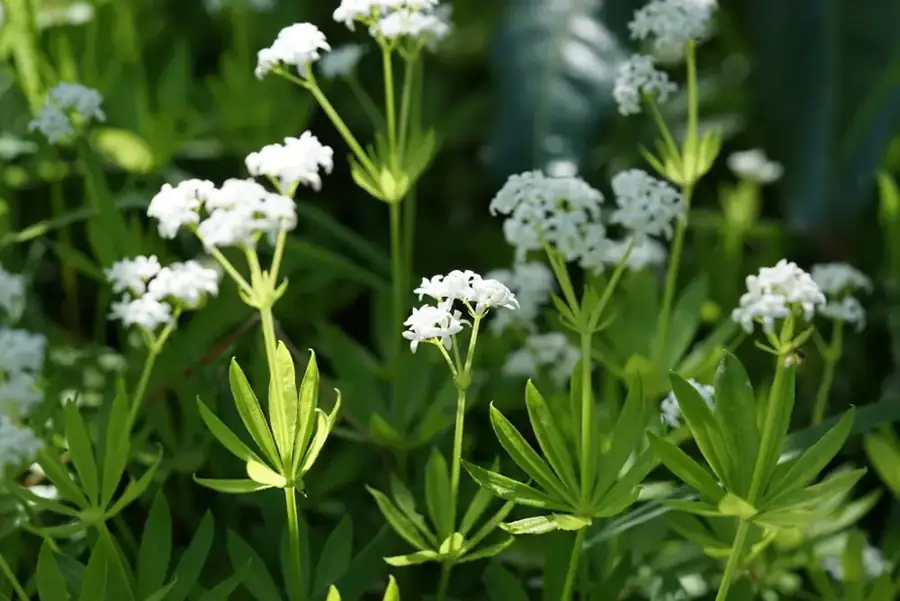
A shade-loving woodland ground cover with whorls of narrow leaves and tiny white star flowers that smells of hay when dried.
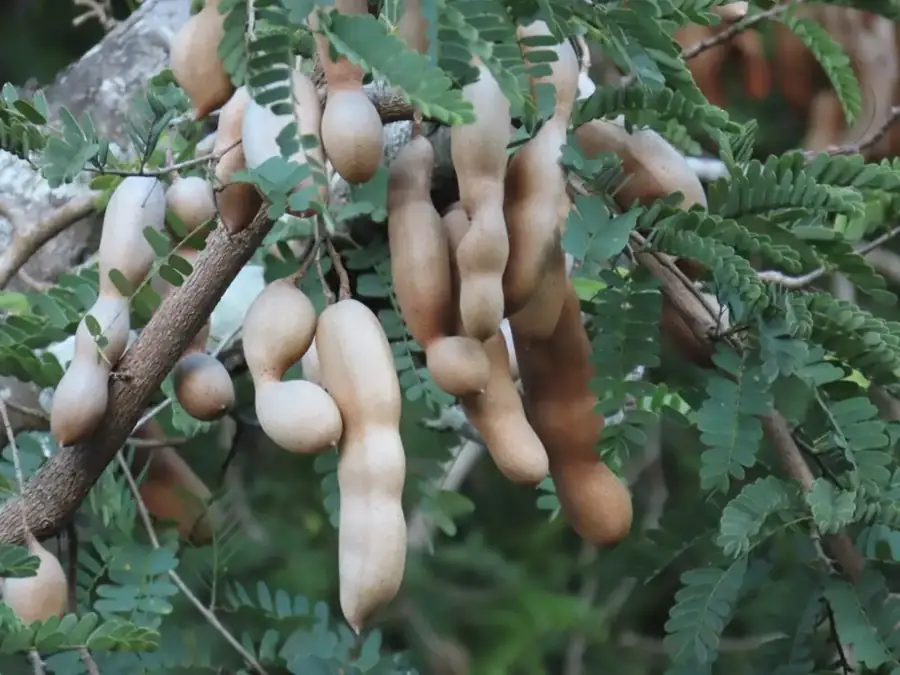
A large tropical tree with feathery leaves and brown pods holding sweet-sour sticky pulp.
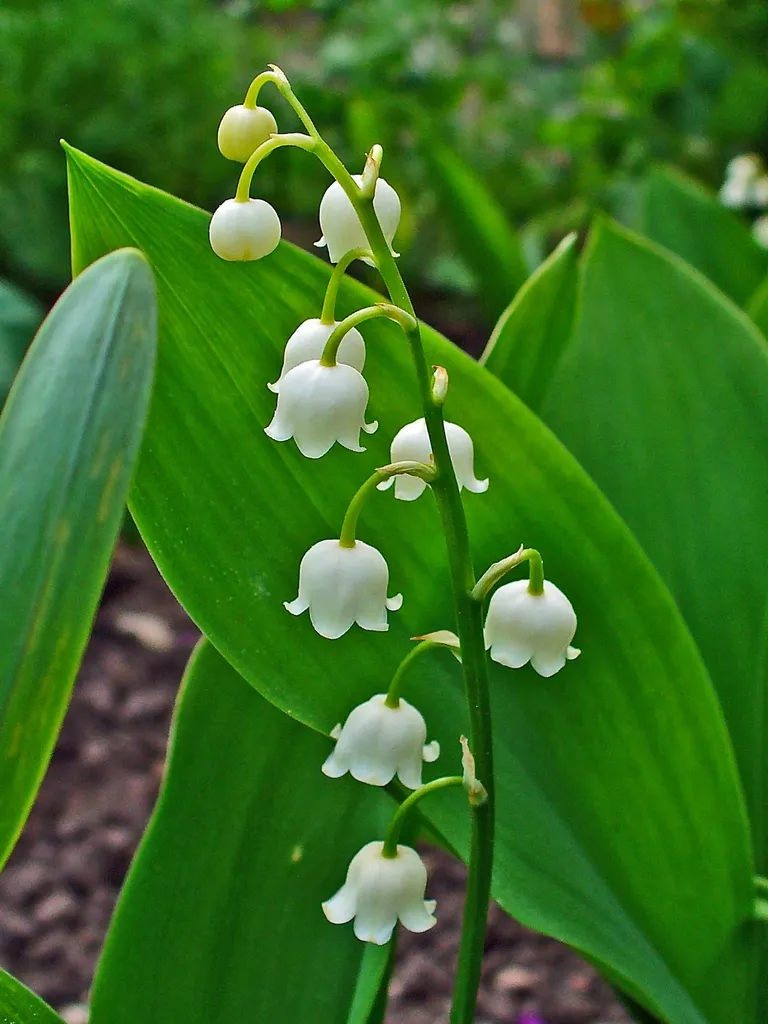
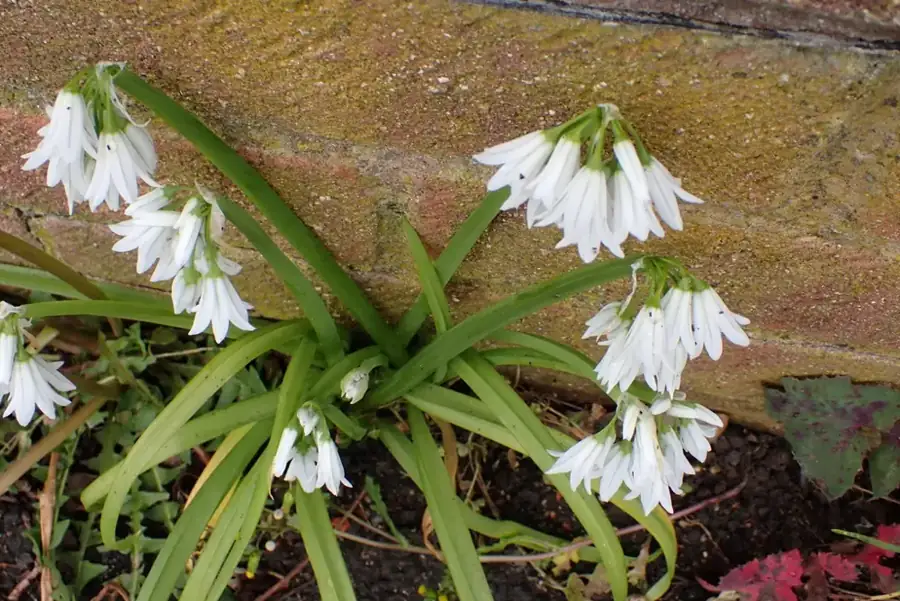
A spring allium with three-angled flower stems and drooping white bell flowers striped with green.
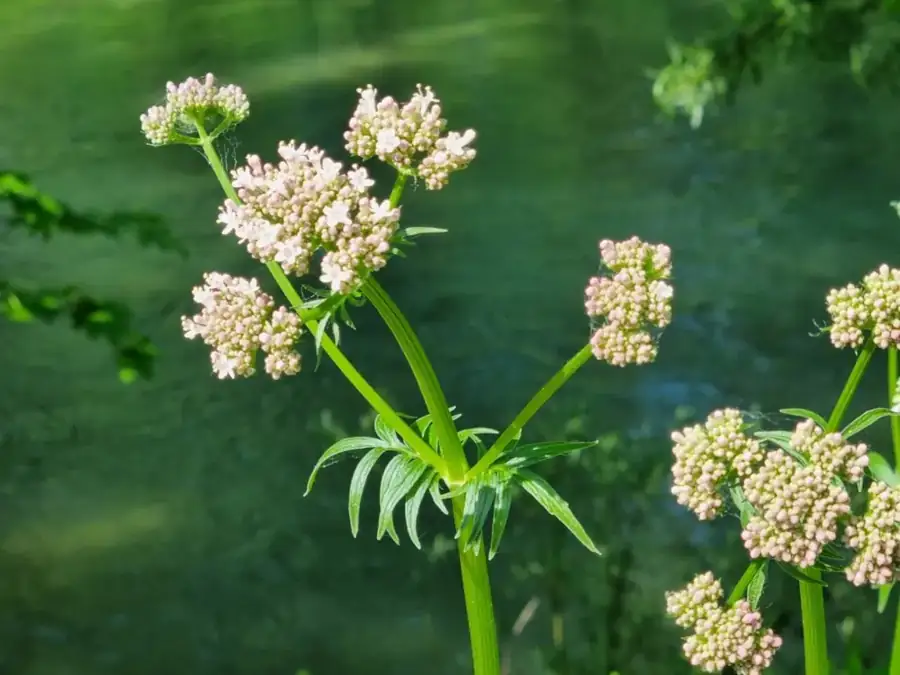
A tall wet-meadow herb with pinnate leaves and pale pink flower clusters, whose roots smell strongly when dried.
A sprawling coastal plant used as a cooked green, with preparation needed to reduce oxalic acid.
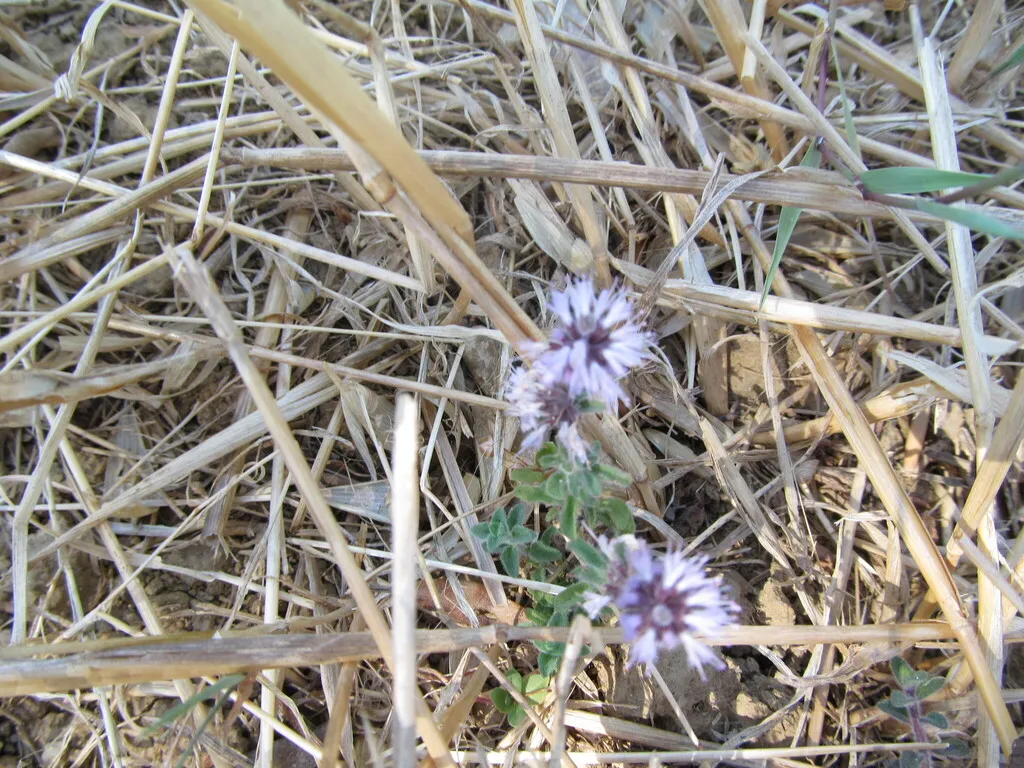
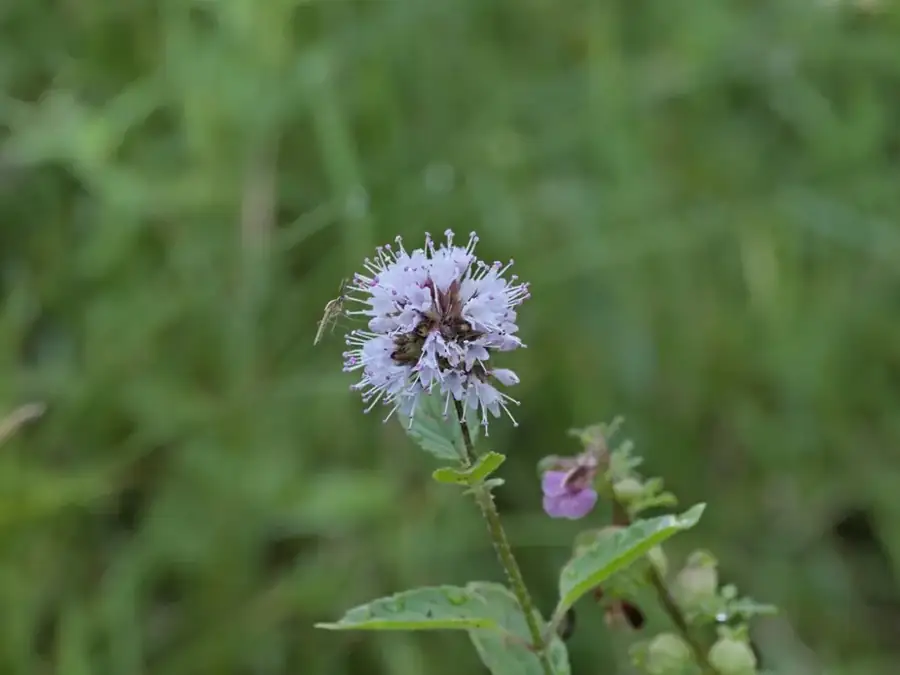
A streamside mint with rounded lilac flower heads and a strong peppermint scent; parent of peppermint.
A semi-aquatic vine with hollow stems and arrow-shaped leaves, one of Asia's most common leafy greens.
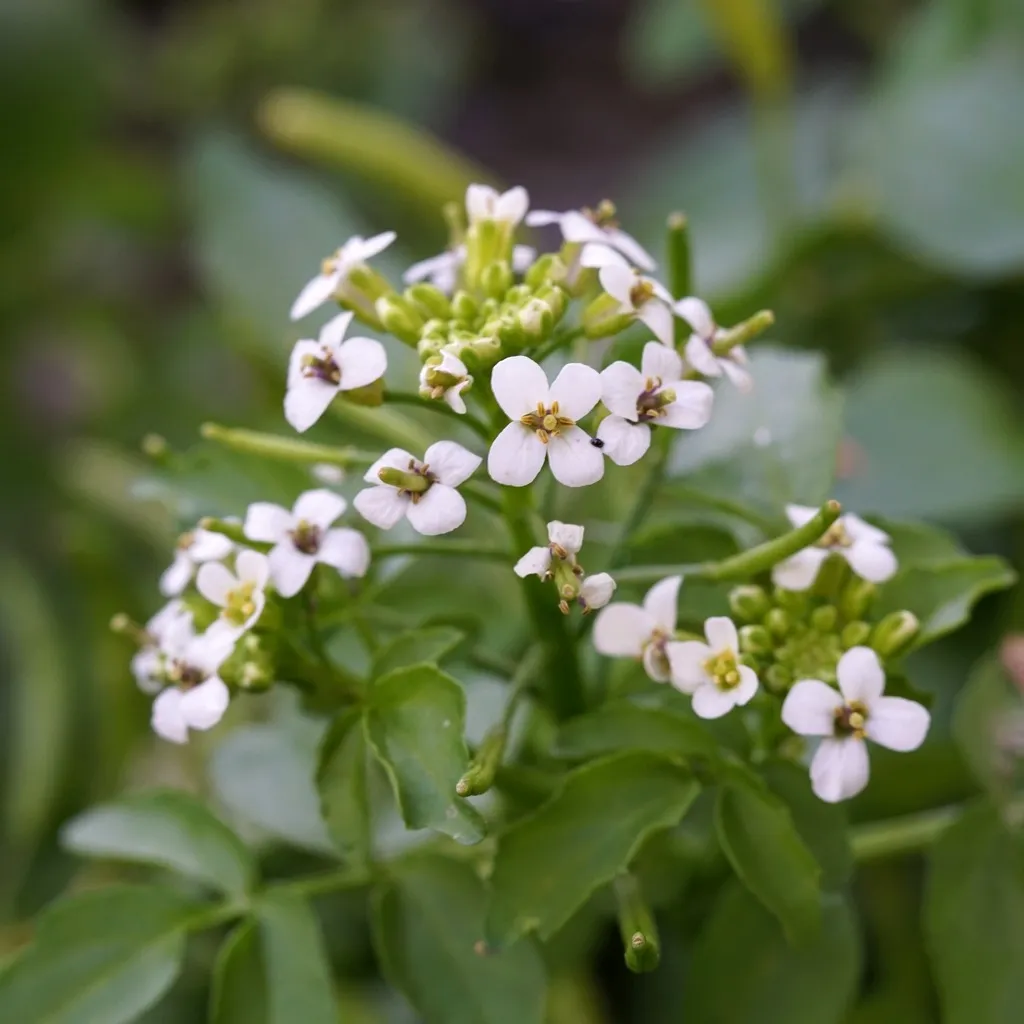
A freshwater mustard whose food use must be separated from the risks of wild water sources.
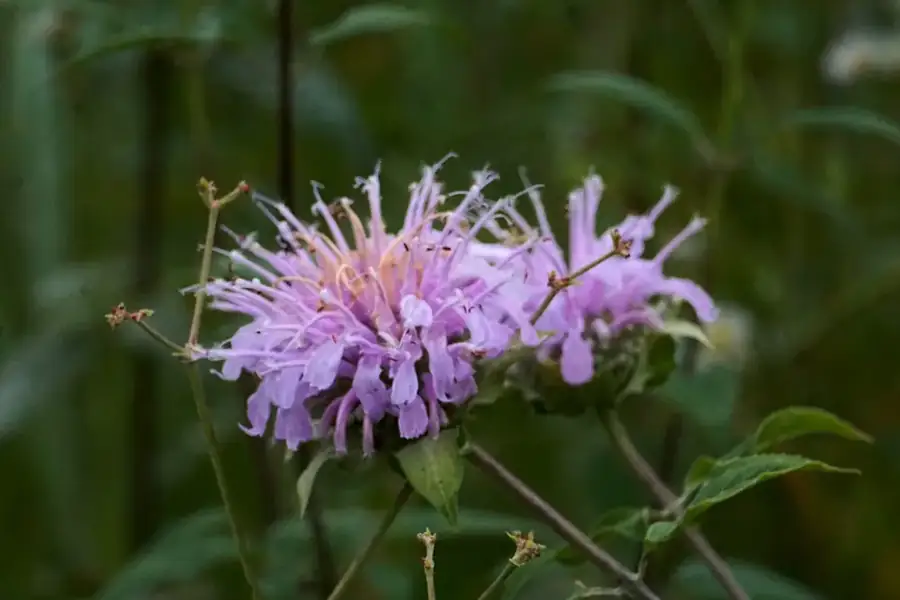
A prairie mint with lavender pom-pom flower heads and a spicy, oregano-like smell.
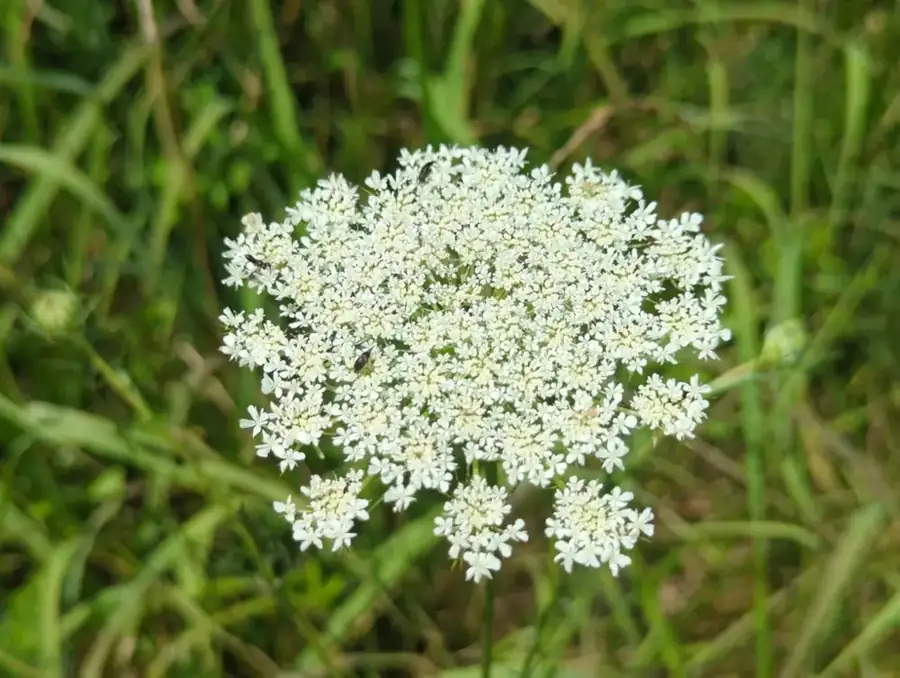
The wild ancestor of the carrot, with lacy white umbels, often a single dark central floret, and hairy stems.
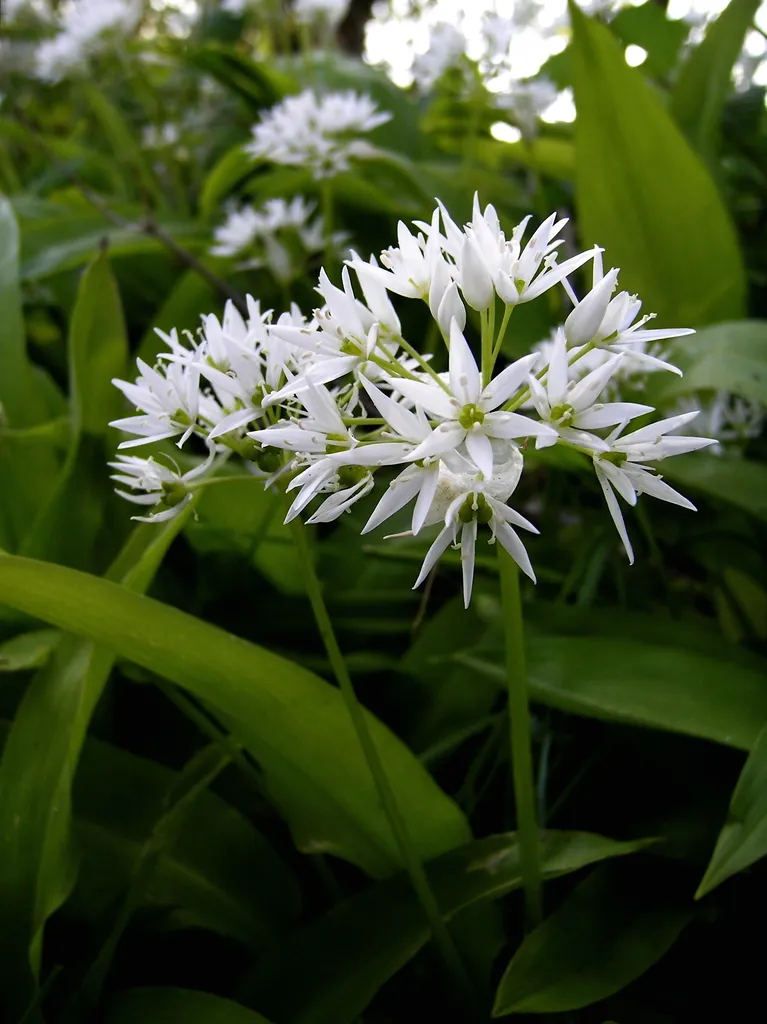
A spring woodland allium whose leaves are repeatedly confused with dangerous plants.
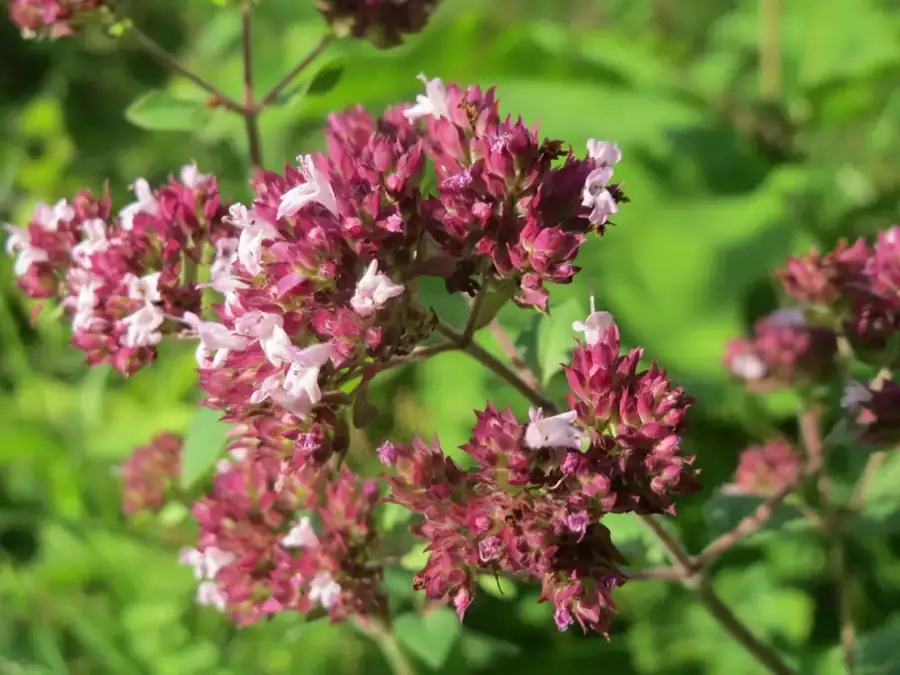
A fragrant chalk-grassland herb with rounded opposite leaves and clustered pink-purple flowers.
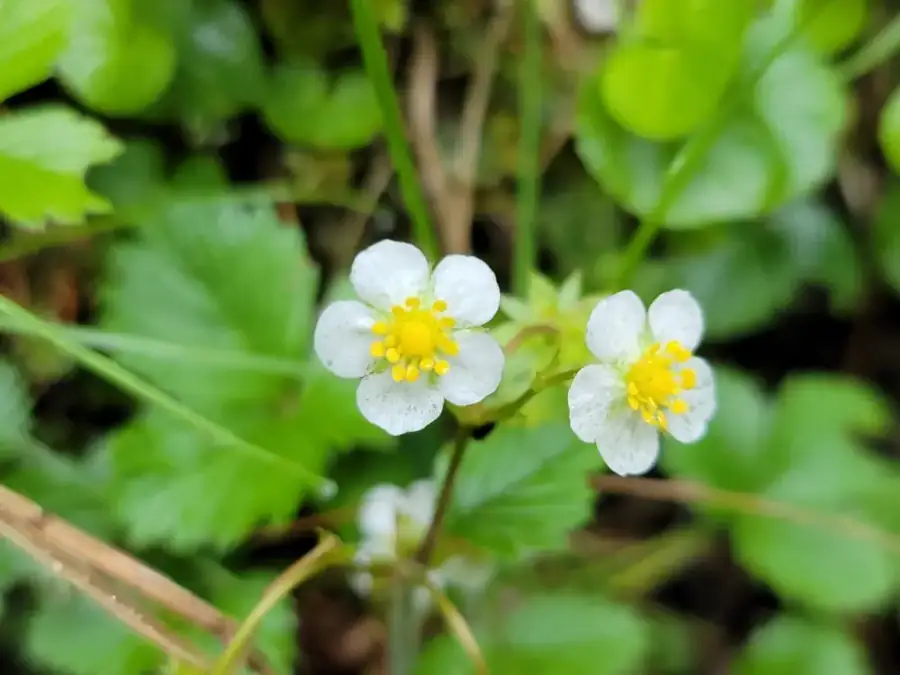
A low, runner-spreading strawberry with tiny, intensely flavored red fruits and three-parted toothed leaves.
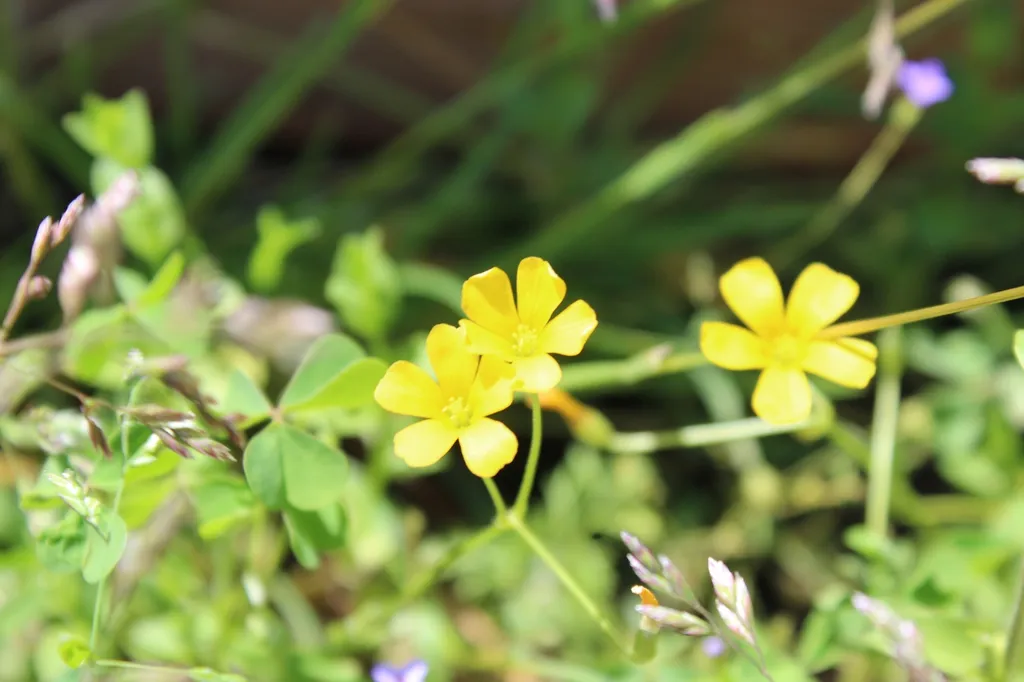
A small yellow-flowered herb with three heart-shaped leaflets and significant oxalic acid.
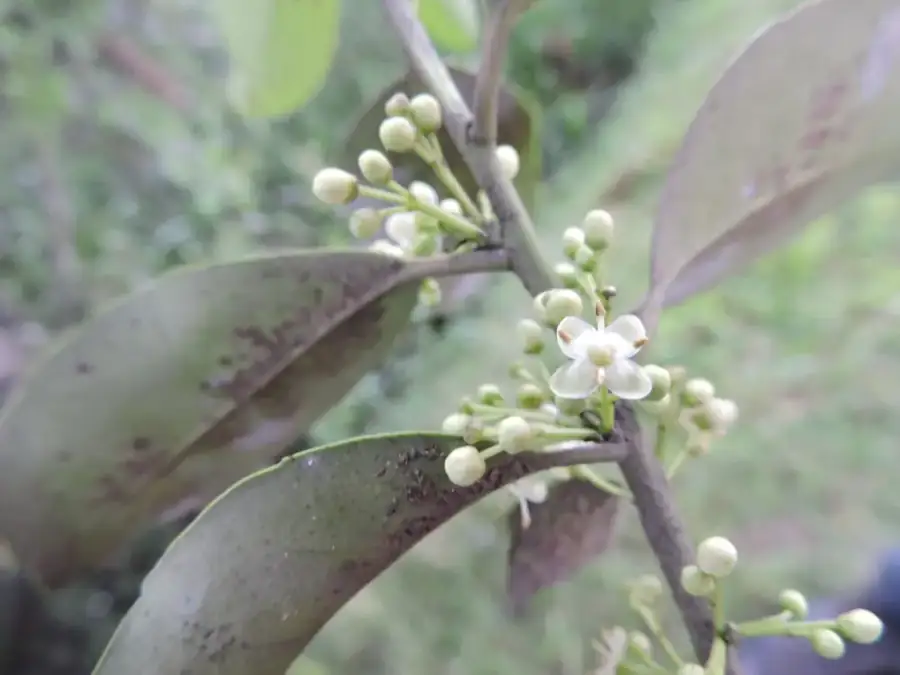
A South American holly whose dried leaves make the caffeinated drink mate.