Other Aspalathus
This large genus includes many similar shrubs. A regional expert is needed for wild identification.
Use the botanical sourceAspalathus linearis
Also found as Red bush
A South African fynbos shrub cultivated for tea, with a history rooted in the Cederberg region.
Sources checked 9 September 2026 · Specialist field review pending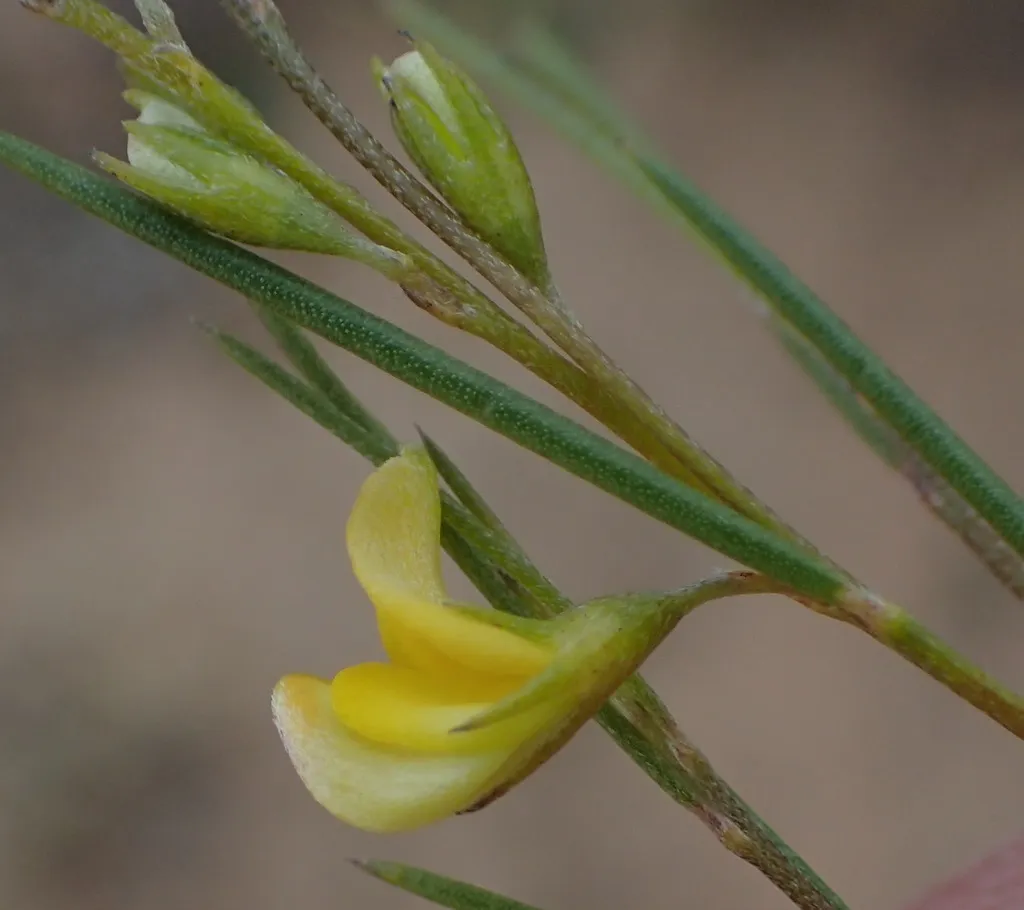
Do not identify or harvest an unfamiliar fynbos shrub by needlelike leaves alone.
Where it grows
| January | 12 |
|---|---|
| February | 7 |
| March | 7 |
| April | 16 |
| May | 7 |
| June | 6 |
| July | 5 |
| August | 14 |
| September | 21 |
| October | 26 |
| November | 9 |
| December | 10 |
Research-grade iNaturalist records, snapshot Aug 27, 2026. The growing zone combines areas where different people have repeatedly verified it. Records show where people looked and found it, not current abundance or permission to gather.
01 / Learn to see
Fine, needlelike green leaves on slender branches.
Small yellow pea-family flowers.
Upright shrub; wild forms vary in growth and regeneration.
These are study prompts, not a complete identification key. Confirm the full plant with a regional flora and an experienced local identifier.
02 / Resolve the differences
This large genus includes many similar shrubs. A regional expert is needed for wild identification.
Use the botanical sourceSelected comparisons only. Other lookalikes may occur locally.
03 / Meet the place
Southwestern South Africa, especially the Cederberg and neighboring mountain areas.
Cultivated crop timing follows local production practice, not a global monthly calendar.
Stage guidance is not a local forecast. Check your climate, elevation and a regional source; no month-shift formula is used here.
04 / Gather with care
Parts discussed: Leaf · Fine stem
Use traceable, prepared rooibos tea. Processing differs between green and oxidized products.
Choose cultivated, traceable supplies; leave wild populations and local harvesting rights undisturbed.
Preparation & storage essentials05 / Follow the evidence
Checked 9 September 2026. Original editorial synthesis; source institutions have not reviewed or endorsed this guide. Independent botanical field review is pending. Photos illustrate specimens; they do not certify the identity of a plant you find.
Suggest a correction