The Living Fungi LibraryFungi LibraryMushroom Forage Map
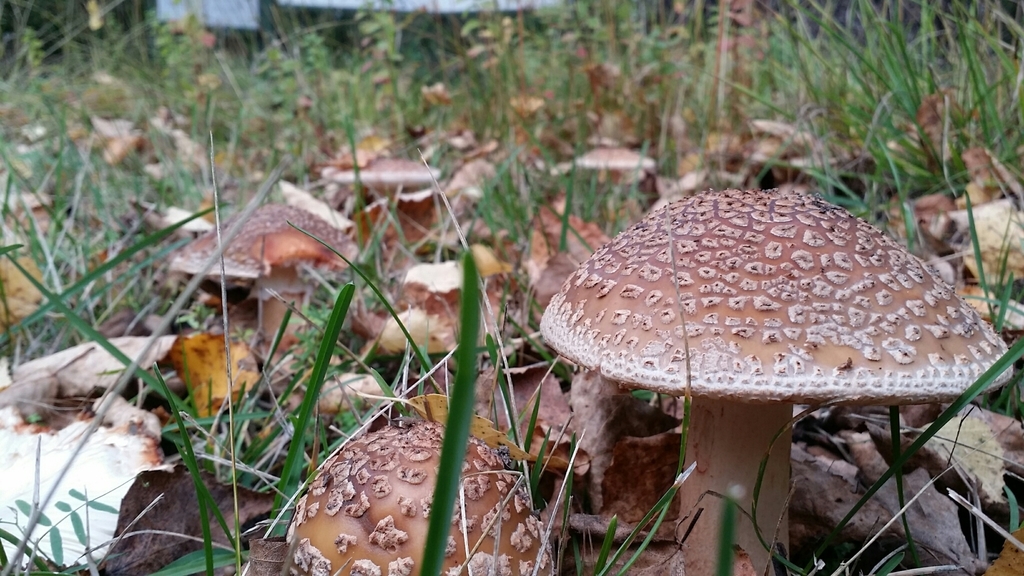
Reddish-brown blusher Amanita with pale warts on the cap
Edible with cautionexpert-only

The Blusher

Amanita rubescens / Amanita rubescens group

A reddish-brown Amanita with pale warts whose flesh and bruises turn pinkish red, especially at the stem base.

Photo: Evgeniy Meyke, CC BY
Compiled by Mushroom Forage Map field deskExpert review pendingContent checked
Toxicity warning

An Amanita. It must be thoroughly cooked, and the panther cap is a dangerous lookalike. North American blushers are separate species.

Season
Summer to autumn
Habitat
Broadleaf and conifer woodland
Underside
Free white gills, spotting reddish
Spore evidence
White

Where it grows

Tracked records and known growing zone

Explore on the field map
Loading map…
Squares: where people recorded it, brighter where more people did
Verified records
23,146
People who recorded it
10,012
Most records (northern hemisphere)
Jul–Oct
Records span
1983–2026

Research-grade iNaturalist records, snapshot Aug 27, 2026. The growing zone combines areas where different people have repeatedly verified it. Records show where people looked and found it, not current abundance or permission to gather.

Observation season

When field records occur

Choose a hemisphere · All recorded years; not a current forecast.

Choose the hemisphere you want to study. Country detection is approximate and some countries span the equator.

Compare before concluding

Lookalikes to rule out

Panther cap never reddens, has pure white warts, and has a rimmed bulb.

Gray spotted amanita

caution

Amanita excelsa has grayer caps and does not blush.

Death Cap

deadly

Any Amanita confusion is dangerous; death caps lack warts and have a sac-like volva.

Identification

The cap is pinkish to reddish brown with scattered pale gray to pinkish warts. Gills are white. The ring is striated on its upper surface. The key feature is blushing: bruised or insect-eaten flesh, especially in the swollen stem base, turns wine red.

Uses and ecology

Blushers are eaten in parts of Europe after cooking, but raw flesh contains compounds that damage red blood cells. Because the Amanita genus includes deadly species, experts consider it unsuitable for beginners.

Memorable fact

Insect tunnels in the stem turn pink, so a wormy blusher often shows its identity from the inside.

Sources

Back to the fungi library