The Living Fungi LibraryFungi LibraryMushroom Forage Map
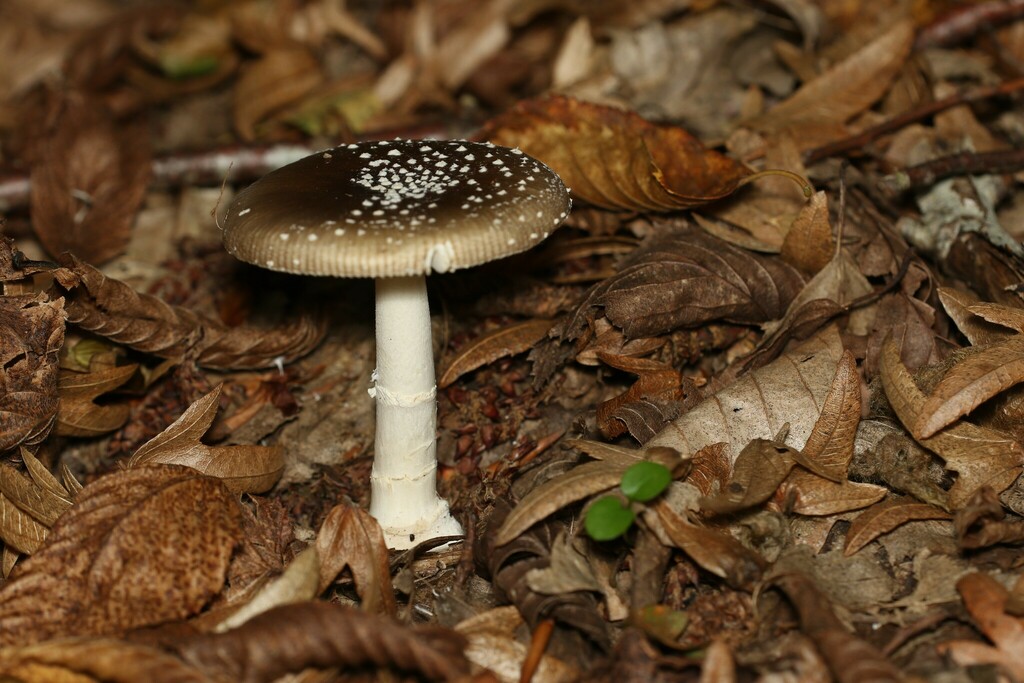
Brown panther cap with white warts and a white stem
Poisonousexpert-only

Panther Cap

Amanita pantherina

A brown Amanita with pure white warts, a striate margin, and a rimmed bulb, more toxic than the fly agaric.

Photo: Asrın Akıncıoğlu, CC BY
Compiled by Mushroom Forage Map field deskExpert review pendingContent checked
Toxicity warning

Poisonous. Contains ibotenic acid and muscimol, causing confusion, agitation, and seizures. Seek poison-center advice after any ingestion.

Season
Summer to autumn
Habitat
Broadleaf and conifer woodland
Underside
Free white gills
Spore evidence
White

Where it grows

Tracked records and known growing zone

Explore on the field map
Loading map…
Squares: where people recorded it, brighter where more people did
Verified records
5,621
People who recorded it
2,988
Most records (northern hemisphere)
Aug–Oct
Records span
1984–2026

Research-grade iNaturalist records, snapshot Aug 27, 2026. The growing zone combines areas where different people have repeatedly verified it. Records show where people looked and found it, not current abundance or permission to gather.

Observation season

When field records occur

Choose a hemisphere · All recorded years; not a current forecast.

Choose the hemisphere you want to study. Country detection is approximate and some countries span the equator.

Compare before concluding

Lookalikes to rule out

Blusher flesh and bruises turn pinkish red; panther cap flesh stays white.

Gray spotted amanita

caution

Amanita excelsa has grayish warts and a non-striate margin.

Faded fly agarics can look brown; both are poisonous.

Identification

The cap is olive brown to dark brown, dotted with small, pure white warts, and its margin is finely grooved. Gills and stem are white. The ring is smooth. The stem base sits in a rounded bulb with a distinct rim, like a collar, left by the volva.

Why it matters

Panther cap poisoning resembles fly agaric poisoning but is often more severe, with drowsiness, delirium, and occasionally seizures within a few hours. It grows across Europe, western Asia, and North Africa; North American look-alikes belong to related species.

Memorable fact

The pure white warts on a brown cap inspired the name, comparing it to a spotted big cat.

Sources

Back to the fungi library