The Living Fungi LibraryFungi LibraryMushroom Forage Map
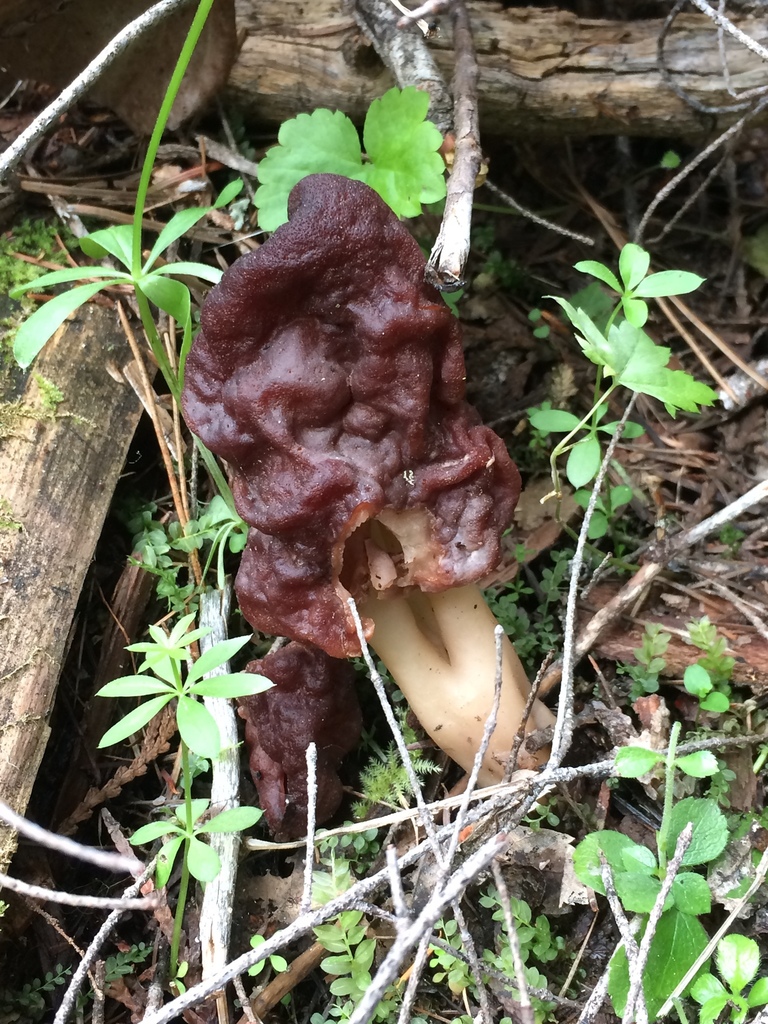
Reddish brown false morel with a folded brain-like cap
Poisonousexpert-only

False Morel

Gyromitra esculenta / Brain mushroom

A spring mushroom with brain-like folds and a chambered interior that overlaps true-morel habitat and can cause severe poisoning.

Photo: Jeffrey Lee, CC BY
Compiled by Mushroom Forage Map field deskExpert review pendingContent checked
Toxicity warning

Poisonous. The site does not endorse traditional detoxification methods, and cooking fumes have caused illness.

Season
Spring near snowmelt
Habitat
Conifer forest and disturbed ground
Underside
Folded lobes rather than a pitted cap
Spore evidence
Pale yellow

Where it grows

Tracked records and known growing zone

Explore on the field map
Loading map…
Squares: where people recorded it, brighter where more people did
Verified records
4,390
People who recorded it
2,918
Most records (northern hemisphere)
Apr–May
Records span
1984–2026

Research-grade iNaturalist records, snapshot Aug 27, 2026. The growing zone combines areas where different people have repeatedly verified it. Records show where people looked and found it, not current abundance or permission to gather.

Observation season

When field records occur

Choose a hemisphere · All recorded years; not a current forecast.

Choose the hemisphere you want to study. Country detection is approximate and some countries span the equator.

Compare before concluding

Lookalikes to rule out

Morel

toxic confusion

True morels have regular pits and ridges and one clean hollow chamber from cap to base.

Snow Morels

caution

Other Gyromitra species vary in toxicity and are difficult to separate; regional expert review is needed.

Verpa species

caution

Verpa caps attach only at the top of the stem and hang like a thimble.

Identification

The reddish-brown cap forms broad, brain-like folds rather than the honeycomb pits of a true morel. Slice it lengthwise: the interior is chambered and may contain cottony wisps, never one open hollow from top to bottom. It often fruits near snowmelt in conifer habitat during true-morel season.

Why it matters

False morels contain gyromitrin, which the body converts to monomethylhydrazine. Poisoning can begin with delayed gastrointestinal symptoms and progress to seizures, hemolysis, liver injury, and death. Traditional parboiling practices do not reliably remove all toxin, and vapors have poisoned cooks.

Memorable fact

Its name esculenta means edible or delicious, an unusually ironic epithet for a fungus associated with a rocket-propellant chemical.

Sources

Back to the fungi library