The Living Fungi LibraryFungi LibraryMushroom Forage Map
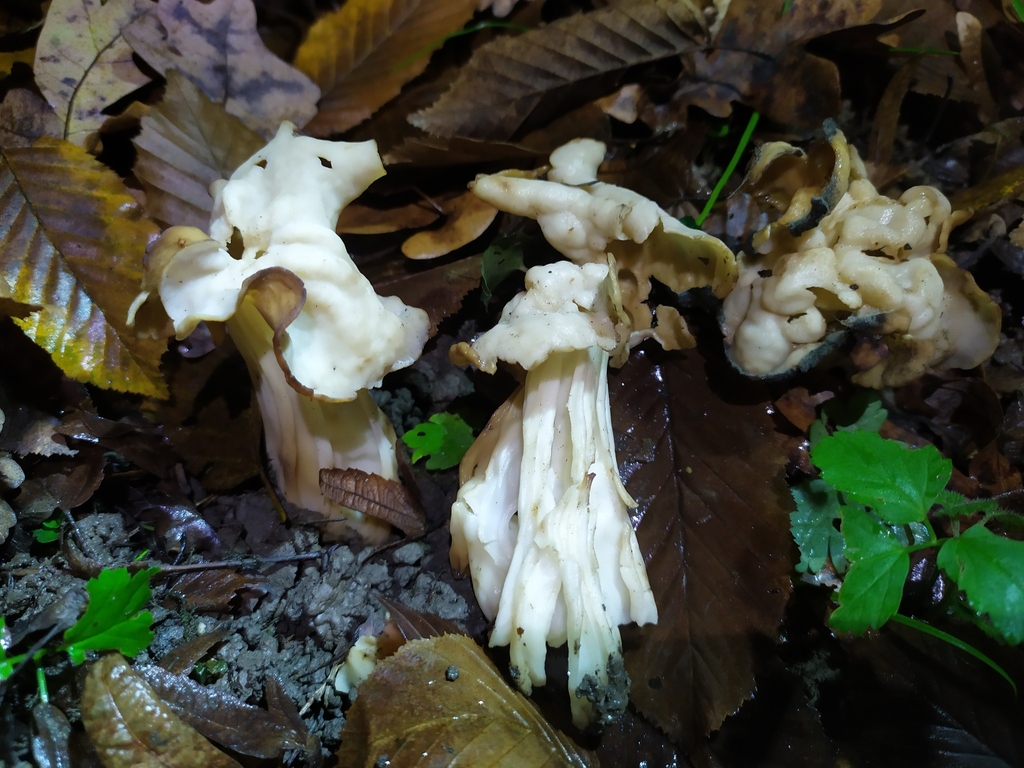
White saddle fungus with lobed cap and ribbed stem
Poisonousintermediate

White Saddle

Helvella crispa / Elfin saddle

A pale, saddle-shaped cup fungus on a deeply furrowed, chambered stem, toxic raw.

Photo: Josip Skejo, CC BY
Compiled by Mushroom Forage Map field deskExpert review pendingContent checked
Toxicity warning

Toxic raw and not recommended even cooked. Related species contain gyromitrin-like compounds.

Season
Late summer to autumn
Habitat
Woodland paths and broadleaf woods
Underside
Smooth underside of the lobed cap; no gills or pores
Spore evidence
White

Where it grows

Tracked records and known growing zone

Explore on the field map
Loading map…
Squares: where people recorded it, brighter where more people did
Verified records
8,375
People who recorded it
5,088
Most records (northern hemisphere)
Sep–Nov
Records span
1987–2026

Research-grade iNaturalist records, snapshot Aug 27, 2026. The growing zone combines areas where different people have repeatedly verified it. Records show where people looked and found it, not current abundance or permission to gather.

Observation season

When field records occur

Choose a hemisphere · All recorded years; not a current forecast.

Choose the hemisphere you want to study. Country detection is approximate and some countries span the equator.

Compare before concluding

Lookalikes to rule out

Black elfin saddle

toxic

Helvella lacunosa is gray to black with the same ribbed stem.

Gyromitra has a brain-like reddish-brown cap.

Identification

The cap is cream to white, thin, and folded into two or three saddle-like lobes. The stem is white and deeply furrowed with sharp ribs and hollow chambers. It grows from soil in woods.

Why it matters

Helvella were once eaten after cooking, but they are toxic raw and some contain compounds related to gyromitrin. Most modern guides recommend against eating them.

Memorable fact

The ribbed stem looks like it has been sculpted, which makes it one of the most photogenic woodland fungi.

Sources

Back to the fungi library