The Living Fungi LibraryFungi LibraryMushroom Forage Map
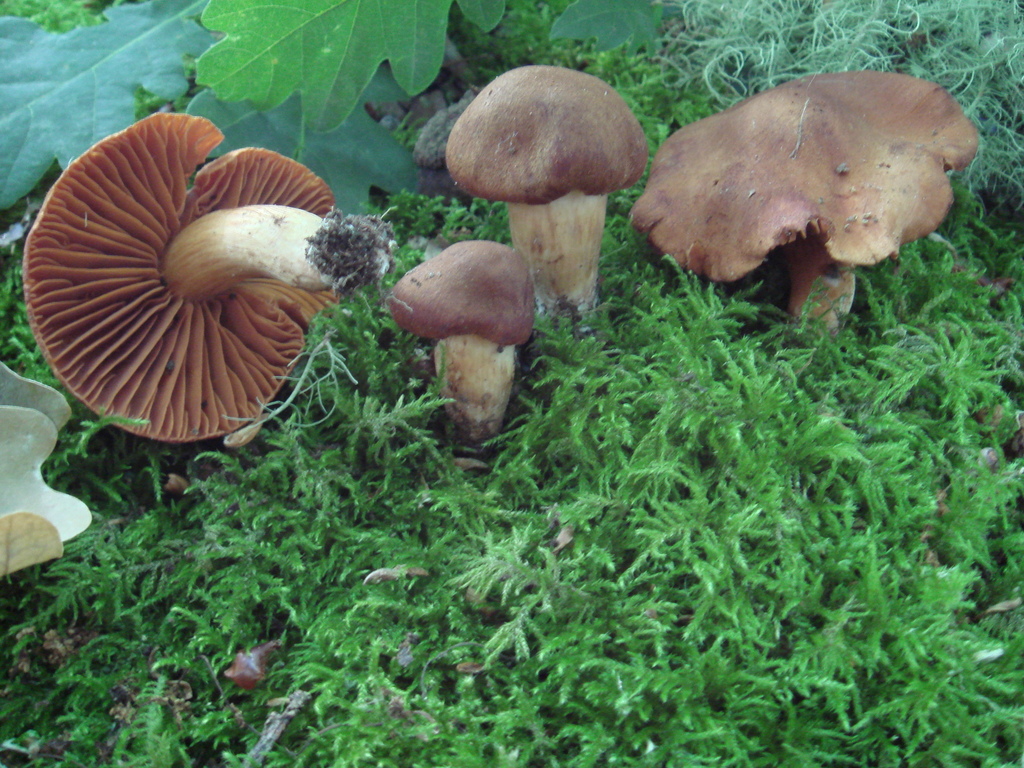
Tawny-orange fool's webcap with rusty gills
Deadlyexpert-only

Fool's Webcap

Cortinarius orellanus

A tawny-orange webcap of European broadleaf woods whose toxin, orellanine, destroys the kidneys.

Photo: Jose Castro, CC BY
Compiled by Mushroom Forage Map field deskExpert review pendingContent checked
Toxicity warning

Potentially fatal. Symptoms can be delayed by days to weeks. Seek emergency care after any possible ingestion.

Season
Late summer to autumn
Habitat
Oak and beech woods in warm parts of Europe
Underside
Rusty orange gills
Spore evidence
Rusty brown

Where it grows

Tracked records and known growing zone

Explore on the field map
Loading map…
Squares: where people recorded it, brighter where more people did
Verified records
40
People who recorded it
28
Most records (northern hemisphere)
Sep–Oct
Records span
2005–2025

Research-grade iNaturalist records, snapshot Aug 27, 2026. The growing zone combines areas where different people have repeatedly verified it. Records show where people looked and found it, not current abundance or permission to gather.

Observation season

When field records occur

Choose a hemisphere · All recorded years; not a current forecast.

Choose the hemisphere you want to study. Country detection is approximate and some countries span the equator.

Compare before concluding

Lookalikes to rule out

A close relative of conifer forests, equally dangerous.

Other Cortinarius

deadly

Brown to orange webcaps should never be eaten.

Identification

The cap is tawny orange to reddish brown, dry and finely scaly. Gills are rusty orange, becoming darker as spores mature. The stem is yellowish with little veil. Spores are rusty brown.

Why it matters

Fool's webcap was the first mushroom in which orellanine was identified, after a poisoning outbreak in Poland in the 1950s. Kidney damage can be permanent.

Memorable fact

Orellanine was named after this species.

Sources

Back to the fungi library