The Living Fungi LibraryFungi LibraryMushroom Forage Map
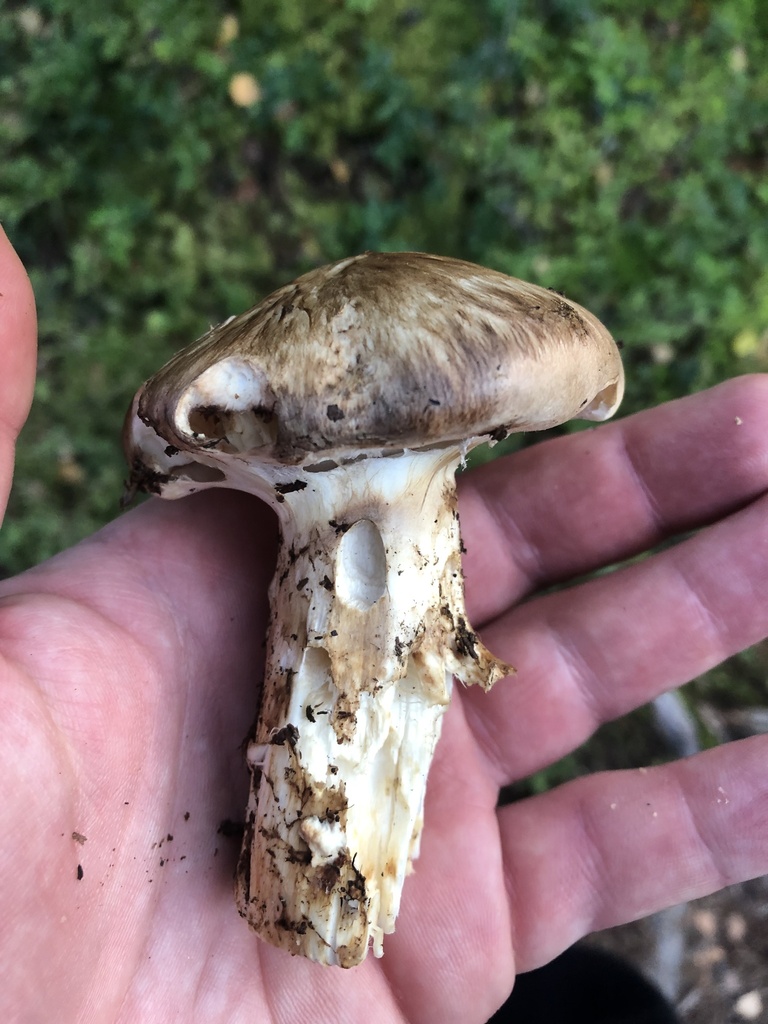
Brown-scaled matsutake mushroom held in a hand
Choice edibleexpert-only

Matsutake

Tricholoma matsutake / Pine mushroom

A prized, spicy-smelling mushroom of red pine forests in East Asia and northern Europe with a sheathing ring.

Photo: wkee4ager, CC BY
Compiled by Mushroom Forage Map field deskExpert review pendingContent checked
Identification warning

Kidney-toxic Amanita smithiana and other white mushrooms can resemble matsutake. Confirm the spicy odor and the lack of a volva.

Season
Autumn
Habitat
Red pine and other pines, in poor, sandy soils
Underside
Crowded white gills
Spore evidence
White

Where it grows

Tracked records and known growing zone

Explore on the field map
Loading map…
Squares: where people recorded it, brighter where more people did
Verified records
70
People who recorded it
40
Most records (northern hemisphere)
Aug–Sep
Records span
2016–2026

Research-grade iNaturalist records, snapshot Aug 27, 2026. The growing zone combines areas where different people have repeatedly verified it. Records show where people looked and found it, not current abundance or permission to gather.

Observation season

When field records occur

Choose a hemisphere · All recorded years; not a current forecast.

Choose the hemisphere you want to study. Country detection is approximate and some countries span the equator.

Compare before concluding

Lookalikes to rule out

Smith's amanita has a rooting, scaly base and a bleach-like smell; it damages the kidneys.

The western North American relative, Tricholoma murrillianum.

Tricholoma focale

caution

Similar ringed Tricholoma lack the spicy smell and taste bitter.

Identification

The cap has brown fibrous scales over a white background. Gills are white and crowded. The stout stem has a sheathing ring and brown scales below it. The smell is spicy and resinous, often compared to cinnamon and pine.

Uses and ecology

Matsutake grows with pines on poor soils and has declined in Japan as pine forests changed. It commands very high prices, which has led to heavy harvest pressure. Rake-free harvest helps the mycelium recover.

Memorable fact

Its spicy smell comes largely from methyl cinnamate and 1-octen-3-ol, a compound once named matsutakeol after this mushroom.

Sources

Back to the fungi library