The Living Fungi LibraryFungi LibraryMushroom Forage Map
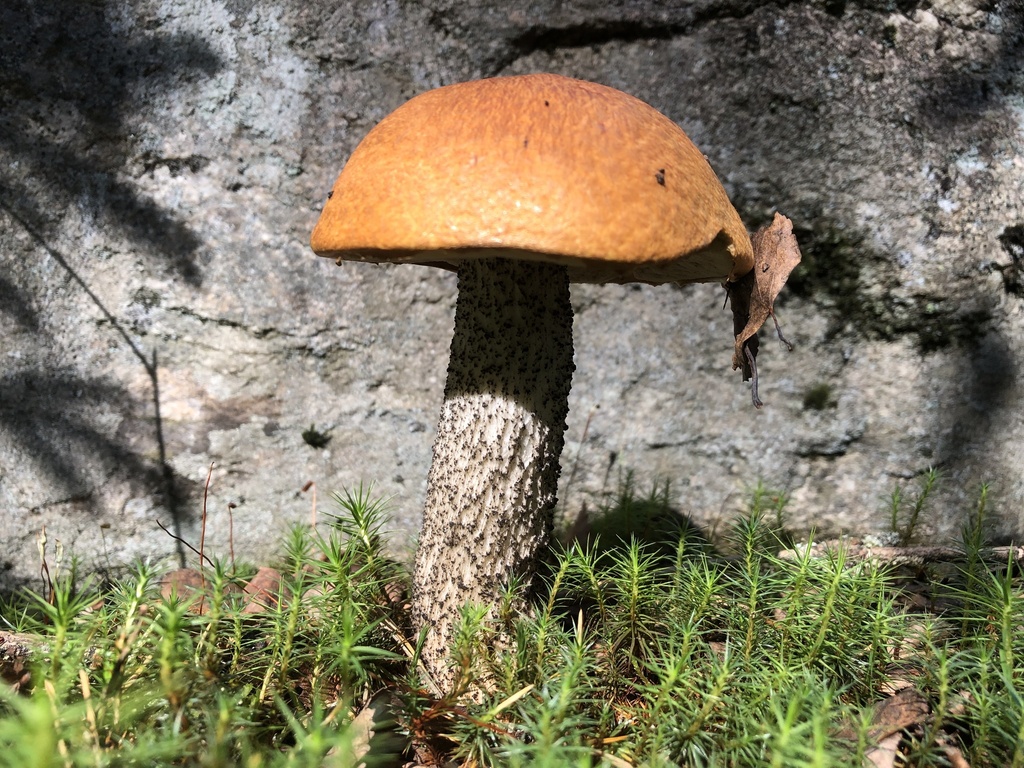
Orange birch bolete with a black-scaled stem
Edible with cautionintermediate

Orange Birch Bolete

Leccinum versipelle

A bright orange bolete under birch with a scabrous, black-flecked stem and flesh that darkens when cut.

Photo: wkee4ager, CC BY
Compiled by Mushroom Forage Map field deskExpert review pendingContent checked
Toxicity warning

Cook thoroughly. Raw or undercooked Leccinum has caused gastrointestinal illness, and some North American orange Leccinum are implicated in poisonings.

Season
Summer to autumn
Habitat
With birch, in heath, woods, and parks
Underside
Pale gray pores
Spore evidence
Brown

Where it grows

Tracked records and known growing zone

Explore on the field map
Loading map…
Squares: where people recorded it, brighter where more people did
Verified records
1,779
People who recorded it
1,039
Most records (northern hemisphere)
Aug–Sep
Records span
1990–2026

Research-grade iNaturalist records, snapshot Aug 27, 2026. The growing zone combines areas where different people have repeatedly verified it. Records show where people looked and found it, not current abundance or permission to gather.

Observation season

When field records occur

Choose a hemisphere · All recorded years; not a current forecast.

Choose the hemisphere you want to study. Country detection is approximate and some countries span the equator.

Compare before concluding

Lookalikes to rule out

Aspen boletes grow with aspen and have their own caution notes.

Red-capped scaber stalk

caution

Leccinum aurantiacum has a redder cap and grows with other hardwoods.

Bitter bolete lacks the black scabers and has pinkish pores.

Identification

The cap is orange to orange-brown with an overhanging margin. The tall white stem is covered in black scabers, small rough flecks. The cut flesh turns pinkish, then gray to black. It grows only with birch.

Uses and ecology

Orange birch boletes are eaten widely in northern and eastern Europe after thorough cooking. The flesh turns dark in the pan. Illness has been reported after undercooked meals.

Memorable fact

Its flesh turns almost black when cooked, which surprises cooks expecting a bright orange dish.

Sources

Back to the fungi library