The Living Fungi LibraryFungi LibraryMushroom Forage Map
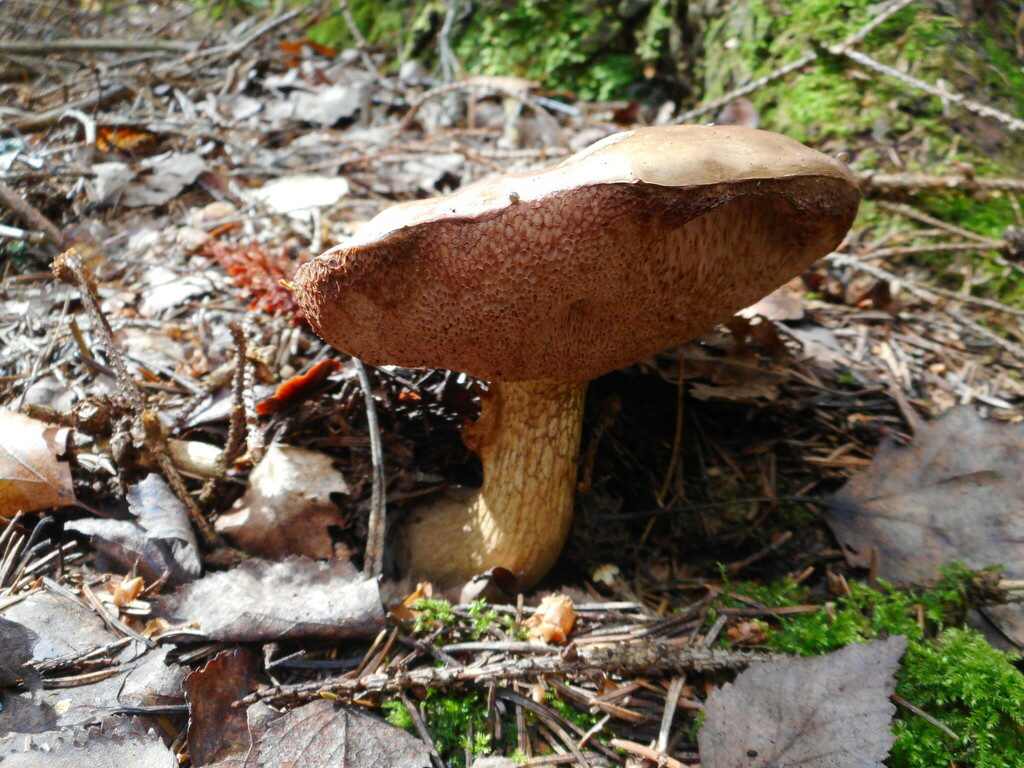
Brown bitter bolete with a netted stem
Not a food mushroomintermediate

Bitter Bolete

Tylopilus felleus

A king-bolete lookalike with pinkish pores, a dark net on the stem, and a taste so bitter it ruins a meal.

Photo: Eugene Popov, CC BY
Compiled by Mushroom Forage Map field deskExpert review pendingContent checked
Identification warning

Not toxic, but one specimen can make a whole dish inedible.

Season
Summer to autumn
Habitat
Conifer and hardwood forests, often on acidic soil
Underside
White pores turning pinkish
Spore evidence
Pinkish brown

Where it grows

Tracked records and known growing zone

Explore on the field map
Loading map…
Squares: where people recorded it, brighter where more people did
Verified records
3,410
People who recorded it
2,011
Most records (northern hemisphere)
Jul–Aug
Records span
2002–2026

Research-grade iNaturalist records, snapshot Aug 27, 2026. The growing zone combines areas where different people have repeatedly verified it. Records show where people looked and found it, not current abundance or permission to gather.

Observation season

When field records occur

Choose a hemisphere · All recorded years; not a current forecast.

Choose the hemisphere you want to study. Country detection is approximate and some countries span the equator.

Compare before concluding

Lookalikes to rule out

King Bolete

harmless

King bolete has a white net and white to yellow pores.

Bay Bolete

harmless

Bay bolete pores bruise blue and its stem is streaked.

Summer bolete has a pale net and is not bitter.

Identification

The cap is tan to brown. Pores start white and become pinkish with age. The stem carries a coarse dark brown net. Touch a tiny piece to your tongue and spit it out: it is intensely bitter.

Why it matters

Bitter bolete is the most common reason porcini collections get ruined. It is mycorrhizal with conifers and hardwoods across Europe and eastern North America.

Memorable fact

The species name felleus means bile-like, after its bitterness.

Sources

Back to the fungi library