The Living Fungi LibraryFungi LibraryMushroom Forage Map
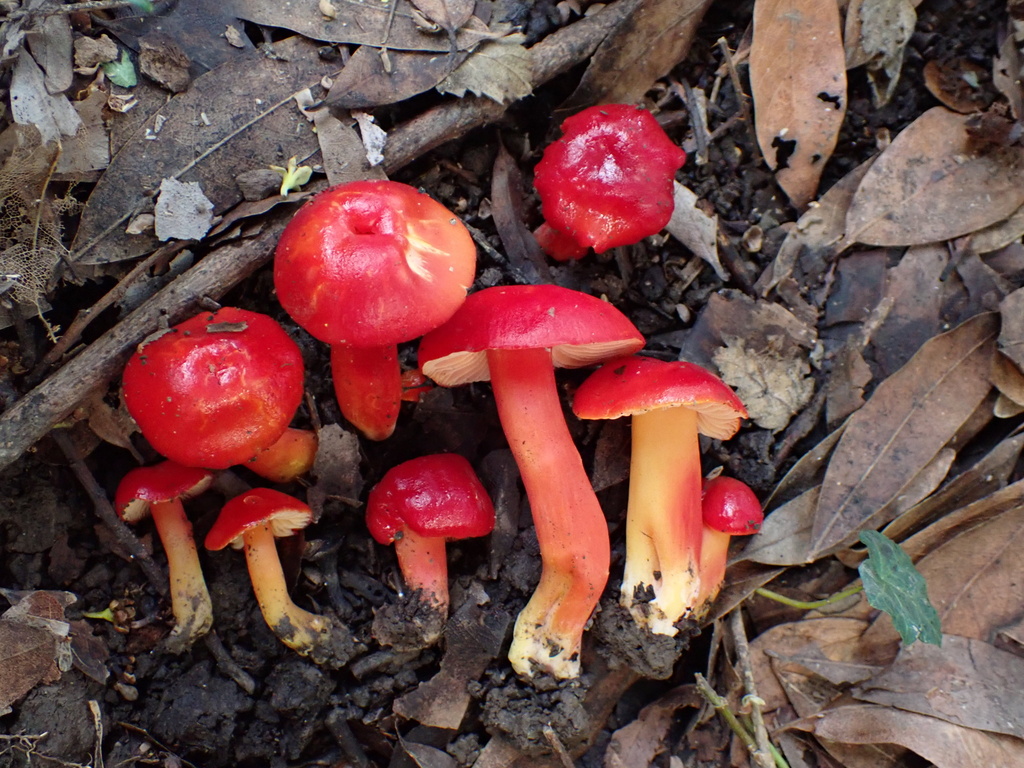
Scarlet waxcap mushrooms in short grass
Not a food mushroomintermediate

Scarlet Waxcap

Hygrocybe coccinea

A brilliant scarlet waxcap of old, unfertilized grasslands, where it signals valuable habitat.

Photo: Elle Sanchez, CC BY
Compiled by Mushroom Forage Map field deskExpert review pendingContent checked
Identification warning

Leave it. Waxcap grasslands are declining and protected in some regions.

Season
Autumn
Habitat
Old grasslands, lawns, and pastures that have not been fertilized
Underside
Thick, waxy, widely spaced gills
Spore evidence
White

Where it grows

Tracked records and known growing zone

Explore on the field map
Loading map…
Squares: where people recorded it, brighter where more people did
Verified records
2,993
People who recorded it
1,814
Most records (northern hemisphere)
Oct–Nov
Records span
1987–2026

Research-grade iNaturalist records, snapshot Aug 27, 2026. The growing zone combines areas where different people have repeatedly verified it. Records show where people looked and found it, not current abundance or permission to gather.

Observation season

When field records occur

Choose a hemisphere · All recorded years; not a current forecast.

Choose the hemisphere you want to study. Country detection is approximate and some countries span the equator.

Compare before concluding

Lookalikes to rule out

Crimson waxcap

harmless

Hygrocybe punicea is larger with a dry, fibrous stem.

Blackening waxcap

harmless

Hygrocybe conica turns black with age or handling.

Identification

The cap is bright scarlet, smooth, and waxy. The gills are thick, waxy, and widely spaced, orange-red with yellow edges. The stem is red, fading toward the base. It grows in short grass.

Uses and ecology

Waxcaps indicate grasslands that have not been plowed or fertilized for decades. Many European countries survey waxcaps to find grassland worth protecting.

Memorable fact

A lawn with several waxcap species is often older than the house beside it.

Sources

Back to the fungi library