The Living Fungi LibraryFungi LibraryMushroom Forage Map
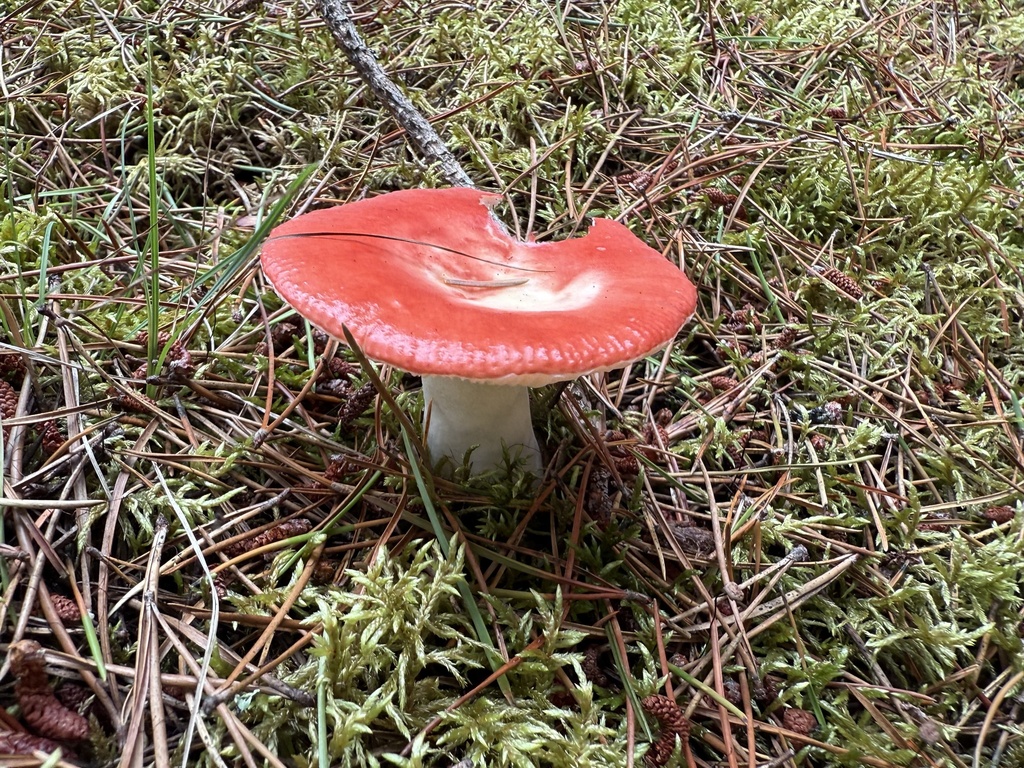
Scarlet sickener Russula in moss
Poisonousintermediate

The Sickener

Russula emetica

A scarlet Russula of wet conifer woods with pure white gills and a burning, acrid taste.

Photo: Scott Shanks, CC BY
Compiled by Mushroom Forage Map field deskExpert review pendingContent checked
Toxicity warning

Poisonous raw. Causes vomiting and diarrhea.

Season
Summer to autumn
Habitat
Wet, mossy conifer woods, often with sphagnum
Underside
Pure white, brittle gills
Spore evidence
White

Where it grows

Tracked records and known growing zone

Explore on the field map
Loading map…
Squares: where people recorded it, brighter where more people did
Verified records
280
People who recorded it
218
Most records (northern hemisphere)
Aug–Oct
Records span
1997–2026

Research-grade iNaturalist records, snapshot Aug 27, 2026. The growing zone combines areas where different people have repeatedly verified it. Records show where people looked and found it, not current abundance or permission to gather.

Observation season

When field records occur

Choose a hemisphere · All recorded years; not a current forecast.

Choose the hemisphere you want to study. Country detection is approximate and some countries span the equator.

Compare before concluding

Lookalikes to rule out

Beechwood sickener

toxic

Russula nobilis grows with beech and is also acrid.

Shrimp russula has a fishy smell, yellowish gills, and bruises brown.

Other red Russula

caution

Taste a tiny piece and spit it out; acrid red Russulas should be left.

Identification

The cap is bright scarlet, and its skin peels almost to the center, revealing pink flesh. Gills and stem are pure white. The flesh is brittle and crumbly. A tiny piece tasted and spat out burns intensely.

Why it matters

The sickener is a classic example of a gastrointestinal irritant mushroom. It forms partnerships with conifers in damp woods.

Memorable fact

Its scientific name emetica refers to vomiting, the effect it causes.

Sources

Back to the fungi library