The Living Fungi LibraryFungi LibraryMushroom Forage Map
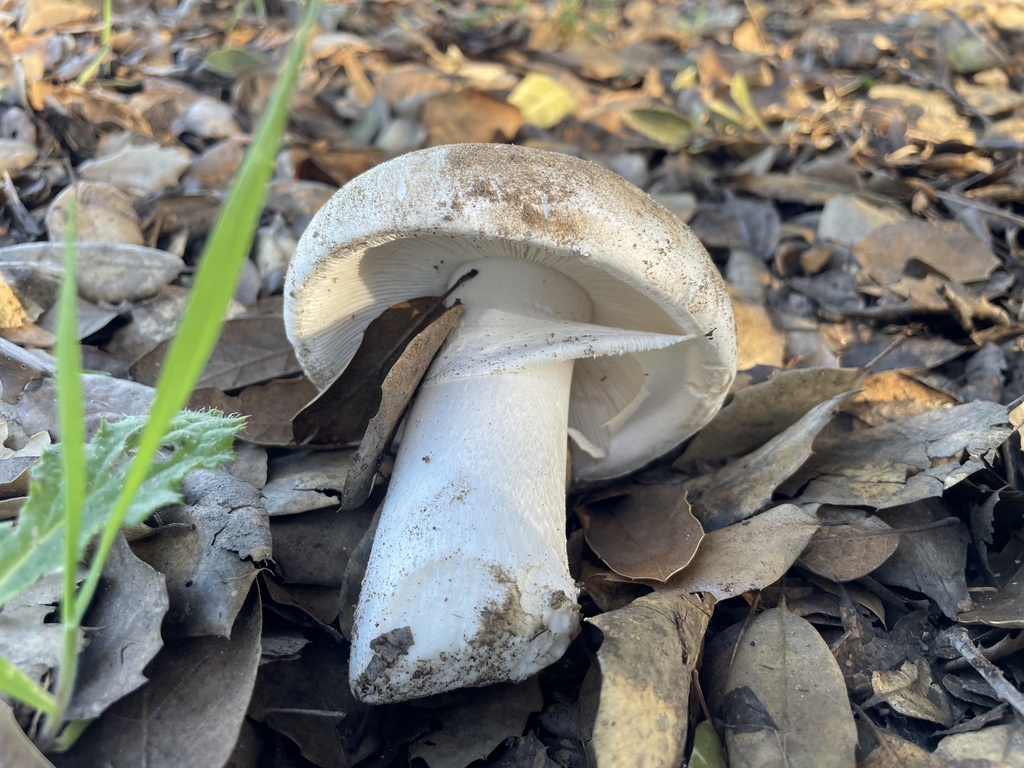
White western destroying angel with a sac-like volva
Deadlyexpert-only

Western Destroying Angel

Amanita ocreata

A white, deadly Amanita of California and the Pacific coast that fruits in late winter and spring under oaks.

Photo: Amelia Tauber, CC BY
Compiled by Mushroom Forage Map field deskExpert review pendingContent checked
Toxicity warning

Potentially fatal. Contains amatoxins. Contact a poison center immediately after any possible ingestion.

Season
Late winter to spring
Habitat
With oaks, especially coast live oak, in California and neighboring states
Underside
Free white gills
Spore evidence
White

Where it grows

Tracked records and known growing zone

Explore on the field map
Loading map…
Squares: where people recorded it, brighter where more people did
Verified records
991
People who recorded it
566
Most records (northern hemisphere)
Feb–Mar
Records span
2004–2026

Research-grade iNaturalist records, snapshot Aug 27, 2026. The growing zone combines areas where different people have repeatedly verified it. Records show where people looked and found it, not current abundance or permission to gather.

Observation season

When field records occur

Choose a hemisphere · All recorded years; not a current forecast.

Choose the hemisphere you want to study. Country detection is approximate and some countries span the equator.

Compare before concluding

Lookalikes to rule out

Springtime amanita

deadly

Amanita velosa fruits at the same time; its edibility does not justify the risk.

Puffballs

deadly

Cut every white button vertically to rule out an Amanita egg.

Identification

The cap is white, sometimes tan to yellowish in the center, smooth, and rounded. Gills are white and free. A thin ring may be present or absent. The stem base sits in a thick, white, sac-like volva, often buried in soil.

Why it matters

This species has caused fatal poisonings in California. It grows in the rainy season when many mushroom hunters are active under oaks. Amatoxin symptoms are delayed for hours.

Memorable fact

Its spring fruiting makes it one of the few deadly Amanita active outside the autumn season.

Sources

Back to the fungi library