The Living Fungi LibraryFungi LibraryMushroom Forage Map
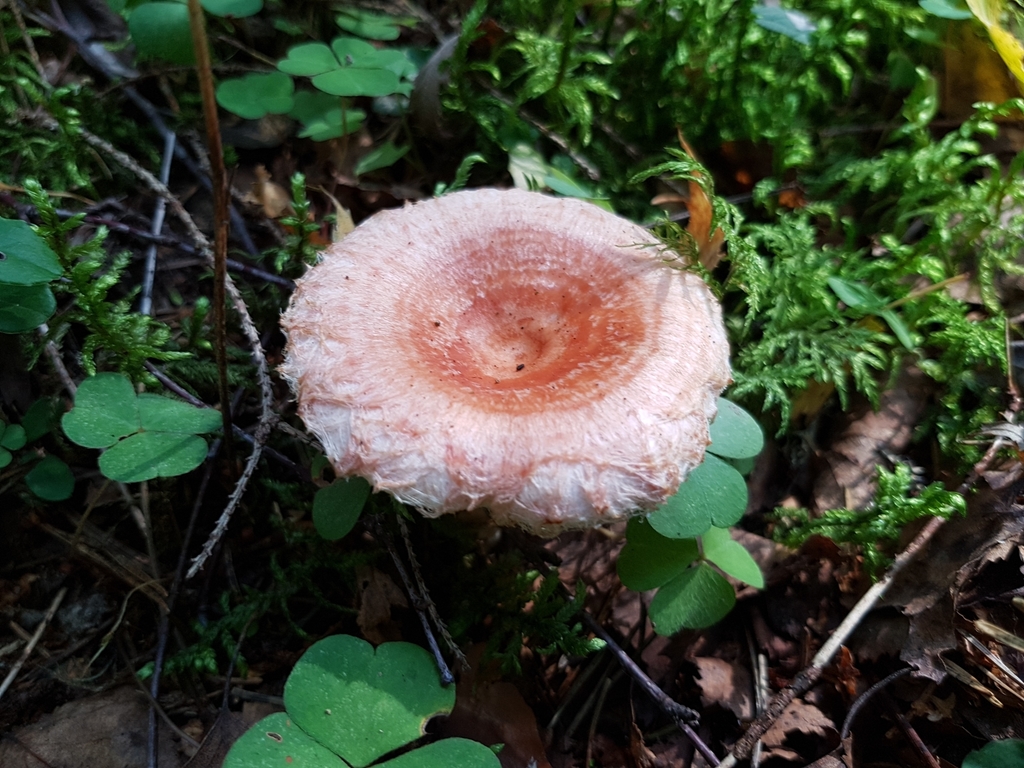
Pinkish woolly milk cap with bearded margin
Poisonousintermediate

Woolly Milk Cap

Lactarius torminosus / Bearded milk cap

A pinkish, zoned milk cap with a woolly, bearded margin and acrid white latex, found with birch.

Photo: Tomas Pocius, CC0
Compiled by Mushroom Forage Map field deskExpert review pendingContent checked
Toxicity warning

Poisonous raw. Traditional processing in some countries does not make it safe for casual use.

Season
Summer to autumn
Habitat
With birch
Underside
Crowded pale pink gills
Spore evidence
Cream to pinkish

Where it grows

Tracked records and known growing zone

Explore on the field map
Loading map…
Squares: where people recorded it, brighter where more people did
Verified records
1,937
People who recorded it
1,163
Most records (northern hemisphere)
Aug–Sep
Records span
2002–2026

Research-grade iNaturalist records, snapshot Aug 27, 2026. The growing zone combines areas where different people have repeatedly verified it. Records show where people looked and found it, not current abundance or permission to gather.

Observation season

When field records occur

Choose a hemisphere · All recorded years; not a current forecast.

Choose the hemisphere you want to study. Country detection is approximate and some countries span the equator.

Compare before concluding

Lookalikes to rule out

Downy milk cap

toxic

Lactarius pubescens is paler and also acrid.

Weeping milk cap is orange-brown and velvety with mild latex.

Identification

The cap is pale salmon pink with darker concentric zones, and its margin is rolled in and covered with long woolly hairs. Cut gills release white latex that tastes very hot. It grows with birch.

Why it matters

The woolly milk cap causes gastrointestinal poisoning when eaten without extensive processing. It is eaten in parts of northern Europe after parboiling and salting, which is not a safe home experiment.

Memorable fact

Its species name torminosus means causing colic.

Sources

Back to the fungi library