The Living Fungi LibraryFungi LibraryMushroom Forage Map
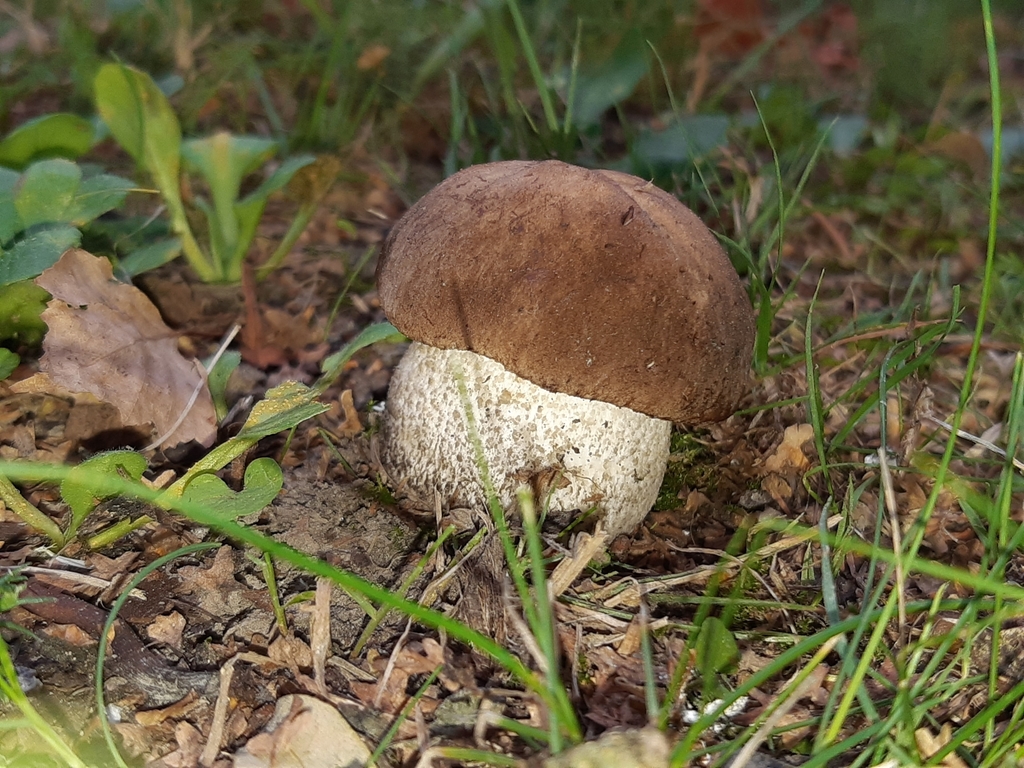
Brown birch bolete with a pale scaly stem in grass
Edible with cautionintermediate

Brown Birch Bolete

Leccinum scabrum / Birch bolete

A common brown-capped bolete of birch with a white stem covered in dark scabers.

Photo: georgiasteel, CC0
Compiled by Mushroom Forage Map field deskExpert review pendingContent checked
Toxicity warning

Cook thoroughly, and discard old, soft caps. Some people react to Leccinum even when cooked.

Season
Summer to autumn
Habitat
With birch in woods, heath, and parks
Underside
Whitish to gray-brown pores
Spore evidence
Brown

Where it grows

Tracked records and known growing zone

Explore on the field map
Loading map…
Squares: where people recorded it, brighter where more people did
Verified records
6,663
People who recorded it
3,332
Most records (northern hemisphere)
Aug–Oct
Records span
1993–2026

Research-grade iNaturalist records, snapshot Aug 27, 2026. The growing zone combines areas where different people have repeatedly verified it. Records show where people looked and found it, not current abundance or permission to gather.

Observation season

When field records occur

Choose a hemisphere · All recorded years; not a current forecast.

Choose the hemisphere you want to study. Country detection is approximate and some countries span the equator.

Compare before concluding

Lookalikes to rule out

Bitter bolete has pinkish pores and a dark net rather than scabers.

Other brown scaber stalks

harmless

Several Leccinum species differ in flesh staining and host tree.

Bay Bolete

harmless

Bay bolete has a streaked stem without scabers and pores bruising blue.

Identification

The cap is dull brown, dry to slightly greasy. The long white stem is covered with gray to black scabers. Pores are whitish, aging gray-brown, and the flesh barely changes color when cut. It grows with birch.

Uses and ecology

Brown birch boletes are among the most common boletes wherever birch grows. Young caps are best; older ones become waterlogged and soft.

Memorable fact

Because it follows birch, it turns up in city parks and gardens far from forest.

Sources

Back to the fungi library