The Living Fungi LibraryFungi LibraryMushroom Forage Map
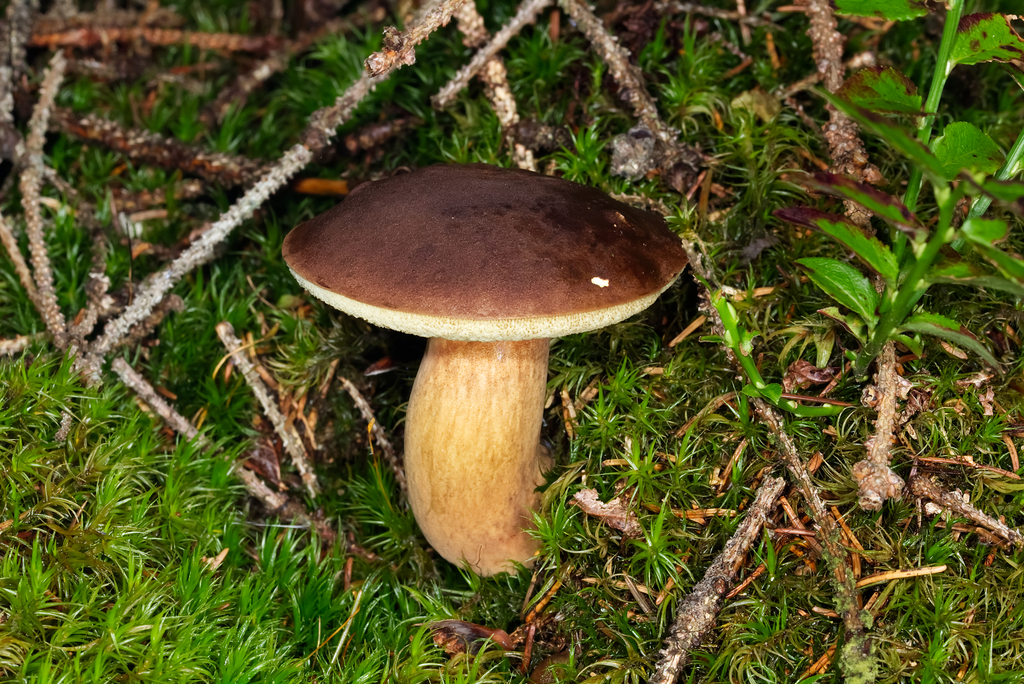
Chestnut-brown bay bolete cap on a pale stem in moss
Edibleintermediate

Bay Bolete

Imleria badia

A chestnut-brown bolete of conifer woods whose cream pores bruise blue when pressed.

Photo: David Sandler, CC BY
Compiled by Mushroom Forage Map field deskExpert review pendingContent checked
Identification warning

Avoid boletes with red or orange pores and any with a bitter taste. Cook thoroughly.

Season
Late summer to autumn
Habitat
Conifer and mixed forests on acidic soil
Underside
Cream to yellow pores bruising blue
Spore evidence
Olive brown

Where it grows

Tracked records and known growing zone

Explore on the field map
Loading map…
Squares: where people recorded it, brighter where more people did
Verified records
7,502
People who recorded it
3,547
Most records (northern hemisphere)
Sep–Oct
Records span
1992–2026

Research-grade iNaturalist records, snapshot Aug 27, 2026. The growing zone combines areas where different people have repeatedly verified it. Records show where people looked and found it, not current abundance or permission to gather.

Observation season

When field records occur

Choose a hemisphere · All recorded years; not a current forecast.

Choose the hemisphere you want to study. Country detection is approximate and some countries span the equator.

Compare before concluding

Lookalikes to rule out

Bitter bolete has pinkish pores, a dark net on the stem, and a very bitter taste.

King Bolete

harmless

King bolete has a white net on the stem and pores that do not bruise blue.

Red-cracked boletes

harmless

Xerocomellus species are smaller, with cracking caps and red flesh under the cracks.

Identification

The cap is chestnut to bay brown, dry and velvety, becoming sticky when wet. Pores are cream to lemon yellow and bruise blue-green when pressed. The stem is streaked brown without a net. The cut flesh may turn faintly blue.

Uses and ecology

Bay boletes form partnerships with conifers across Europe and in parts of North America. They are commonly eaten in Europe and dry well. Like other mushrooms, they can accumulate radioactive cesium in affected regions.

Memorable fact

After the Chernobyl accident, bay boletes were monitored because they accumulate cesium more than many other mushrooms.

Sources

Back to the fungi library