The Living Fungi LibraryFungi LibraryMushroom Forage Map
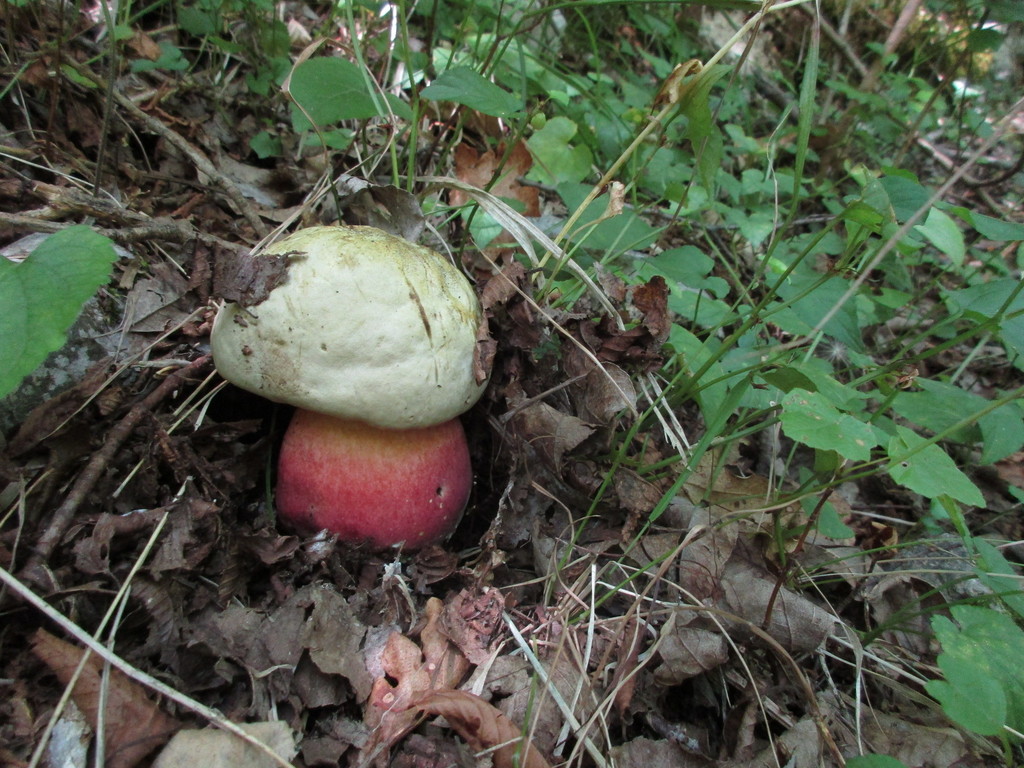
Pale devil's bolete with red pores and bulbous stem
Poisonousintermediate

Devil's Bolete

Rubroboletus satanas / Satan's bolete

A stout pale-capped bolete with red pores and a red-netted stem, found on chalky soils under oak and beech.

Photo: debk, CC BY-SA
Compiled by Mushroom Forage Map field deskExpert review pendingContent checked
Toxicity warning

Poisonous. Causes severe vomiting and diarrhea. Avoid boletes with red or orange pores unless expertly identified.

Season
Summer
Habitat
Oak and beech woods on calcareous soil in Europe
Underside
Red pores bruising blue
Spore evidence
Olive brown

Where it grows

Tracked records and known growing zone

Explore on the field map
Loading map…
Squares: where people recorded it, brighter where more people did
Verified records
437
People who recorded it
325
Most records (northern hemisphere)
Aug–Sep
Records span
2002–2026

Research-grade iNaturalist records, snapshot Aug 27, 2026. The growing zone combines areas where different people have repeatedly verified it. Records show where people looked and found it, not current abundance or permission to gather.

Observation season

When field records occur

Choose a hemisphere · All recorded years; not a current forecast.

Choose the hemisphere you want to study. Country detection is approximate and some countries span the equator.

Compare before concluding

Lookalikes to rule out

Lurid boletes

toxic

Suillellus luridus and Neoboletus species also have red pores; several are eaten only after thorough cooking.

Other red-pored boletes

toxic

Rubroboletus rhodoxanthus and relatives share red pores and bluing.

King Bolete

harmless

King bolete has white to yellow pores and a white net.

Identification

The cap is pale whitish to gray, large and stout. Pores are bright red, and the swollen stem is covered in a red net. Cut flesh turns pale blue. Older specimens smell unpleasant.

Why it matters

Devil's bolete causes gastrointestinal poisoning. It is uncommon and protected in some countries, but its red pores are the key lesson for bolete hunters.

Memorable fact

Its old reputation led to the name satanas, although it is not considered deadly.

Sources

Back to the fungi library