The Living Fungi LibraryFungi LibraryMushroom Forage Map
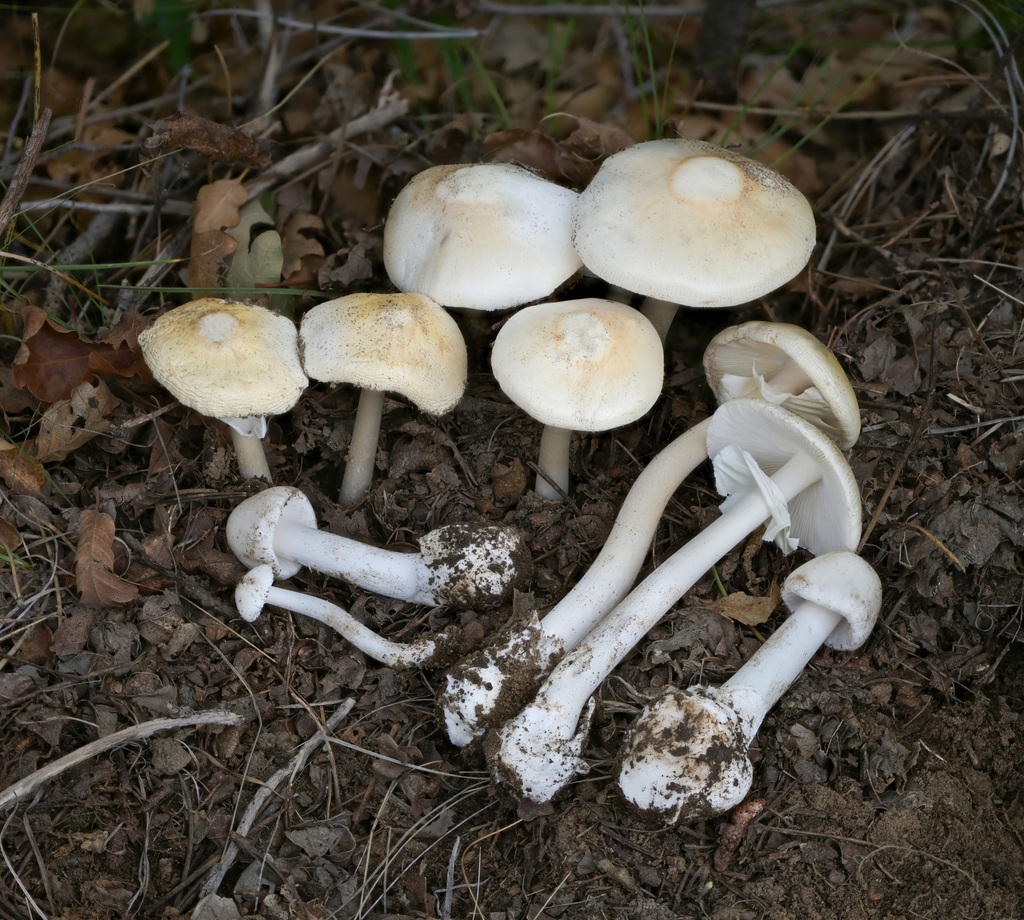
White destroying angel mushroom showing cap, ring, and stem
Deadlyexpert-only

Destroying Angel

Amanita bisporigera / Eastern destroying angel

A deadly white Amanita pattern defined by free white gills, a ring, white spores, and a buried sack-like volva.

Photo: Alan Rockefeller, CC BY
Compiled by Mushroom Forage Map field deskExpert review pendingContent checked
Toxicity warning

Potentially fatal. If ingestion is possible, call Poison Control immediately before symptoms appear.

Season
Summer through fall in eastern North America
Habitat
Woodland soil near host trees
Underside
Free white gills
Spore evidence
White

Where it grows

Tracked records and known growing zone

Explore on the field map
Loading map…
Squares: where people recorded it, brighter where more people did
Verified records
2,087
People who recorded it
1,407
Most records (northern hemisphere)
Jul–Sep
Records span
1978–2026

Research-grade iNaturalist records, snapshot Aug 27, 2026. The growing zone combines areas where different people have repeatedly verified it. Records show where people looked and found it, not current abundance or permission to gather.

Observation season

When field records occur

Choose a hemisphere · All recorded years; not a current forecast.

Choose the hemisphere you want to study. Country detection is approximate and some countries span the equator.

Compare before concluding

Lookalikes to rule out

Young Puffball

deadly

Slice vertically; an Amanita button reveals a tiny cap, gills, and stem inside rather than uniform white flesh.

Meadow Mushroom

deadly

Agaricus gills mature from pink to chocolate brown and produce a brown spore print; there is no volva.

White Parasol

deadly

Dig up the entire base. A buried sack-like volva is the critical Amanita warning.

Identification

Recognize the dangerous pattern rather than relying on one regional name: pure white cap and stem, free white gills, a white spore print, a skirt-like ring, and a sack-like volva around the base. The volva is often buried, so the entire mushroom must be carefully excavated.

Amanita bisporigera is eastern North American. Western North America has A. ocreata, while Europe has A. virosa and related species.

Why it matters

Amatoxins block RNA polymerase II and destroy liver cells. Symptoms may wait 6 to 24 hours, followed by violent gastrointestinal illness, a deceptive improvement, then liver or kidney failure. Cooking does not neutralize amatoxins. Early medical treatment matters, so do not wait for symptoms.

Memorable fact

The same molecular precision that makes alpha-amanitin deadly is being investigated for targeted cancer therapies.

Sources

Back to the fungi library