The Living Fungi LibraryFungi LibraryMushroom Forage Map
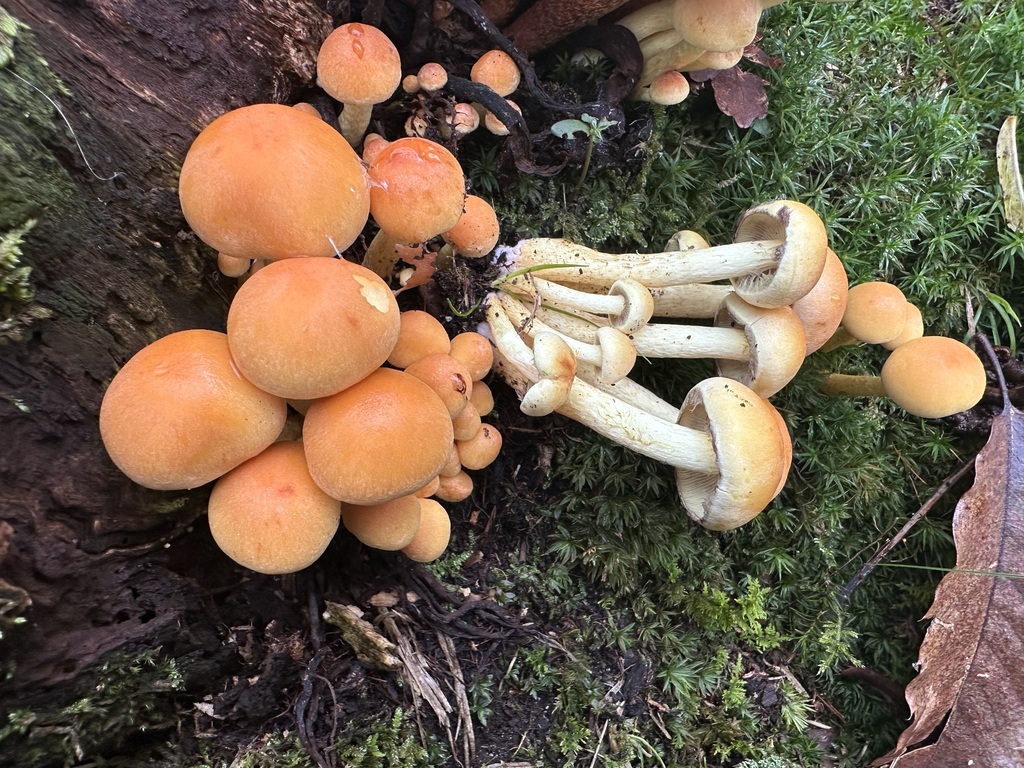
Clustered sulphur tuft mushrooms with yellow caps on a stump
Poisonousintermediate

Sulphur Tuft

Hypholoma fasciculare

Dense clusters of sulphur-yellow caps with greenish gills on stumps, bitter tasting and poisonous.

Photo: Jason Grant, CC BY
Compiled by Mushroom Forage Map field deskExpert review pendingContent checked
Toxicity warning

Poisonous; causes vomiting and diarrhea, and severe poisonings are reported. Do not confuse with honey mushrooms or woodtufts.

Season
Year-round, most abundant in autumn
Habitat
Stumps and dead wood of broadleaf and conifer trees
Underside
Greenish-yellow gills becoming purple-brown
Spore evidence
Purple brown

Where it grows

Tracked records and known growing zone

Explore on the field map
Loading map…
Squares: where people recorded it, brighter where more people did
Verified records
21,869
People who recorded it
10,119
Most records (northern hemisphere)
Sep–Nov
Records span
1968–2026

Research-grade iNaturalist records, snapshot Aug 27, 2026. The growing zone combines areas where different people have repeatedly verified it. Records show where people looked and found it, not current abundance or permission to gather.

Observation season

When field records occur

Choose a hemisphere · All recorded years; not a current forecast.

Choose the hemisphere you want to study. Country detection is approximate and some countries span the equator.

Compare before concluding

Lookalikes to rule out

Conifer tuft

toxic

Hypholoma capnoides has gray gills and grows on conifers.

Identification

Caps are sulphur yellow with an orange to tawny center. Young gills are sulphur yellow to greenish, darkening to purple-brown as spores mature. It grows in dense tufts on stumps and wood. The taste is very bitter.

Why it matters

Sulphur tuft is one of the most common wood mushrooms in Europe and North America. It causes gastrointestinal poisoning, and serious cases have been reported.

Memorable fact

It can suppress competing wood-decay fungi, and researchers study it as a natural control for tree pathogens.

Sources

Back to the fungi library